Avi Benlolo writes an opinion piece criticizing the Canadian government's decision to impose trade restrictions on Israeli settlements in the West Bank. Foreign Affairs Minister Anita Anand announced the move alongside UK and European countries, stating that goods from these settlements will be restricted as they are considered illegal under international law. According to Benlolo, this move is a "deep rot" in Canada's relationship with Israel, driven by what he calls a "vicious vendetta" rather than rational diplomacy or concern for Palestinian workers. The Canadian government's actions have been criticized by Benlolo, who points out that Israel produces more economic output per person than Canada, and raises questions about the legality of these restrictions under the Canada-Israel Free Trade Agreement.
Written by the local model on 2026-09-11,
using this article's own text rather than the other coverage of the
same event (that is the story summary below).
Story summary
On September 8, 2026, France announced it would ban products from Israeli settlements in the occupied West Bank, joining Canada and the United Kingdom in taking similar measures to protect a two-state solution. French Foreign Minister Jean-Noël Barrot stated that as many as twelve countries would follow suit. The bans are aimed at halting settler violence and settlement expansion, which the international community views as illegal under international law. For instance, Israel's decision to issue tenders for 1,200 new settlements in the E1 area near Jerusalem has drawn particular criticism.
In response to these moves, Israel retaliated by demanding that the UK close its consulate in East Jerusalem within thirty days and revoke diplomatic status for British diplomats there. Israeli Foreign Minister Gideon Saar confirmed that several MPs from Britain would also be barred from entering Israel. The U.S. warned of potential repercussions, highlighting the deepening rift between Western nations and Israel over settlement policies.
These actions come amid growing frustration among some European Union states who have failed to gain a qualified majority for a bloc-wide decision on trade sanctions due to notable opposition from Germany. Despite these measures being limited in scope initially, they signify a significant shift in Western foreign policy towards the Israeli-Palestinian conflict.
Written for “Israeli Settlement Trade Bans” on 2026-09-14,
grounded in this article and the 20 other(s) covering the same event.
In the middle of a trade war with our greatest ally, the United States, our government has also initiated another trade war — this time with one of its historically closest allies in the Middle East, Israel.
asserted
government → initiate → East
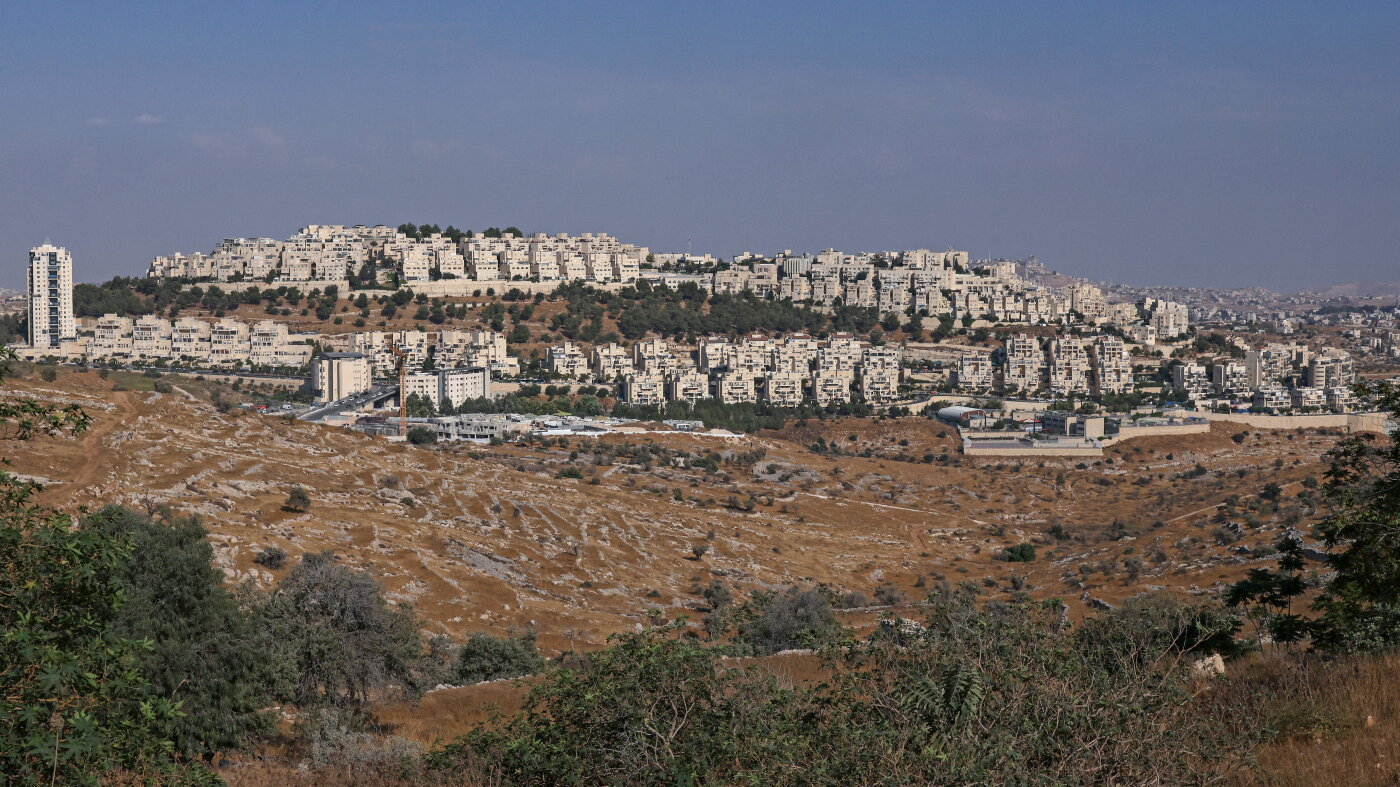
On Tuesday, the Government of Canada announced, through a series of statements, that it will impose trade restrictions on so-called Israeli settlements.
asserted
it → announce → settlements
Canada’s government is failing to work diplomatically, bilaterally and professionally.
asserted
government → fail → ?
Instead, it is blowing up decades of positive relations with Israel.
asserted
it → blow → Israel
Alongside a joint statement issued by Canada, the United Kingdom and several other European countries, Foreign Affairs Minister Anita Anand stated on social media that, “In the coming months, we will introduce restrictions on trade in goods with settlements in the West Bank that are illegal under international law.”
asserted
that → issue → law
As if Anand’s statement wasn’t clear enough in its attack on the one and only Jewish state, Prime Minister Mark Carney, along with his counterparts in Britain and France, also directed fire at Israel using stronger language: “Canada, France and the U.K. will therefore take steps to ban the importation of goods from settlements and enforce targeted measures against settlements.”
asserted
Canada → direct → settlements
Any casual observer must inquire as to why is our government is relentlessly and disproportionately picking on Israel.
asserted
government → inquire → Israel
The International Holocaust Remembrance Alliance’s working definition of antisemitism, which was adopted by the Government of Canada, states that applying double standards with respect to Israel is antisemitic.
asserted
applying → adopt → Israel
Needless to say, boycotts of Israeli companies in the West Bank have proven to harm the livelihoods of Palestinian workers more than Israelis, as they force companies to simply relocate to Israel proper, thus precipitating Palestinian job losses, as was the case with SodaStream.
asserted
case → say → SodaStream
Israel could fit inside Canada roughly 450 times.
uncertain
Israel → fit → Canada
But you wouldn’t know it given the outsized criticism Israel gets from our own government.
asserted
Israel → know → government
There seems to be a drunken state of hatred not based on rationality and diplomacy, but on some kind of vicious vendetta that is harmful to our own national interests.
asserted
that → seem → interests
Let’s be honest here: Canada wants to put down a productive country that is contributing to the world.
asserted
that → let → world
Israel is producing more economic output per person than is Canada — approximately US$60,300 (C$83,300) per capita compared with US$55,700 in Canada.
asserted
Canada → produce → Canada
Worse, Ottawa’s proposed ban on goods from Israeli settlements raises serious questions about whether they would be legal under the terms of the Canada-Israel Free Trade Agreement.
asserted
they → propose → Agreement
The agreement applies to “the territory where (Israel’s) customs laws are applied” — which has always included the West Bank.
asserted
which → apply → Bank
Canada is both claiming to defend a rules-based international order, while potentially disregarding a binding free-trade agreement it freely negotiated with Israel.
asserted
it → claim → Israel
Our government cites international law to argue against settlements but at the same time, Canada was a proponent of the Oslo Accords, which left the matter of disputed territories to final-status negotiations.
asserted
which → cite → negotiations
Our government, in other words, is attempting to undermine the established accords, which constitute the relevant international law and are the only recognized path toward a genuine two-state solution.
asserted
which → attempt → solution
By issuing consecutive statements threatening Israel, our government has demonstrated disproportionate criticism of the Jewish state that borders on antisemitism.
asserted
that → issue → antisemitism
It’s not only jeopardizing Canadian business interests but is going against our government’s own legally binding trade agreement with Israel, while further showcasing Ottawa’s misunderstanding of international law vis-à-vis the disputed territories.
asserted
It → jeopardize → territories
Some say Canada is meddling in Israel’s elections.
asserted
Canada → say → elections
I say it’s time for Canada to start acting like a grown-up by re-engaging professionally with Israel rather than acting out and stomping its feet through statements that may appease the Islamists at home, but will have zero impact in Israel.
uncertain
that → say → Israel