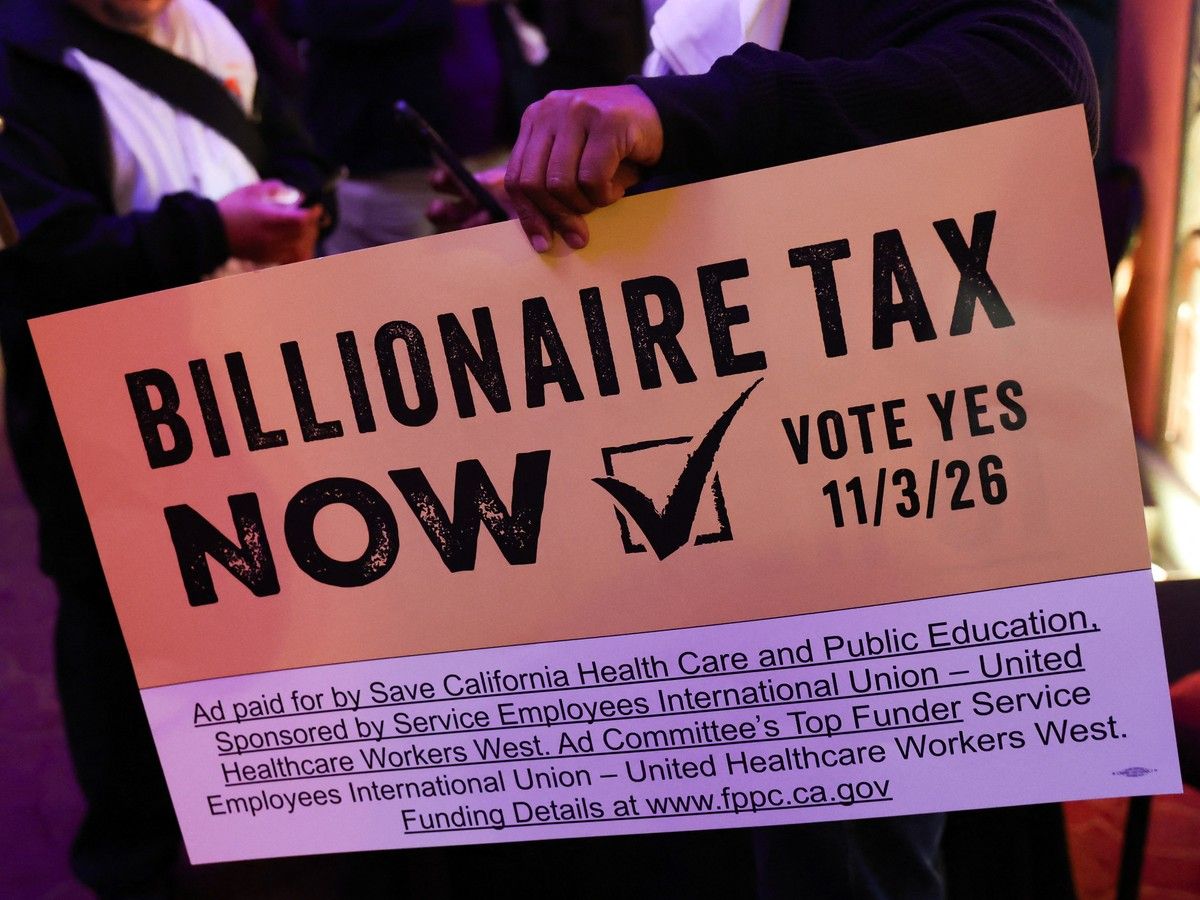
If California’s proposed wealth tax is defeated next week — polling now finds Prop. 40 underwater with voters — it will represent less a failure of economic arguments than of political activism given academic gloss.
asserted
it → propose → gloss
While the allegedly one-time five per cent tax on the assets of billionaires is based on the work of prominent economists Gabriel Zucman and Emmanuel Saez, the two University of California-Berkeley professors seem too willing to massage their research until it gives the results they seek.
uncertain
they → base → results
And what they ultimately want isn’t a one-time tax on the rich, but heavy ongoing taxation to eliminate success.
asserted
want → want → success
If passed, assets would be assessed at their value as of Dec. 31, 2026, for all individuals residing in the state on Jan. 1 of the same year — that is, 11 months before the tax’s potential passage.
asserted
that → pass → passage
The tax would be payable in five annual installments “with each subsequent annual installment payment also being subject to an annual nondeductible deferral charge of 7.5 per cent of the remaining unpaid balance.”
asserted
payment → remain → balance
Advocates of the tax claim the measure “would raise about $100 billion over five years 2027-2031 (or $20 billion/year) from the 200 wealthiest Californian taxpayers.”
uncertain
measure → claim → taxpayers
Critics aren’t convinced.
asserted
Critics → convince → ?
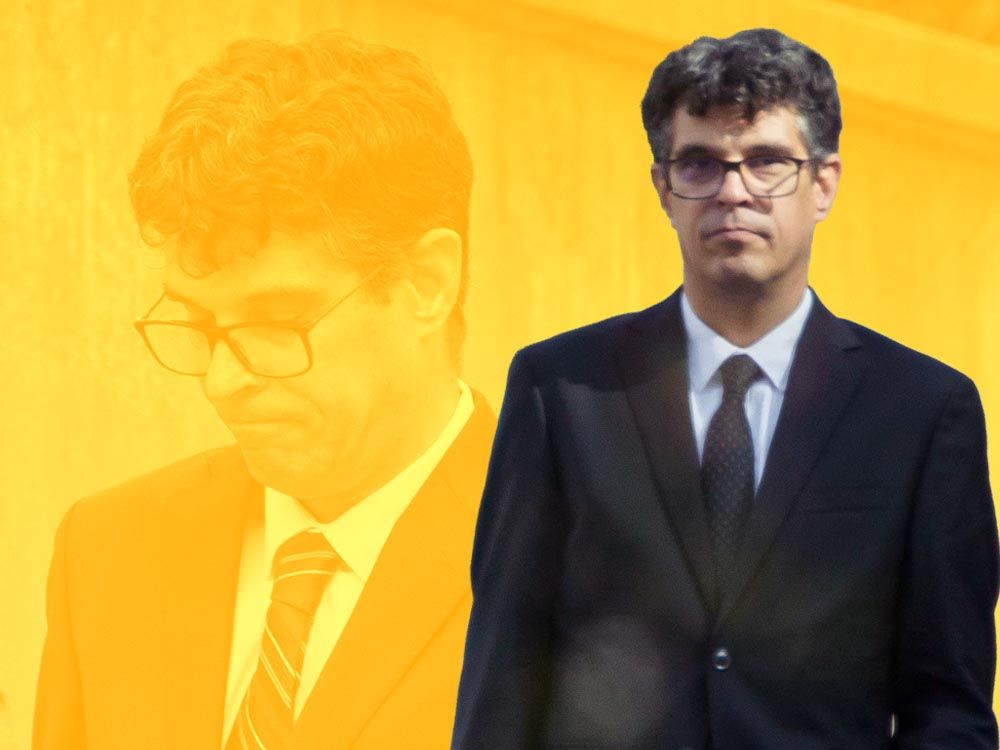
In a recent paper, economists Benjamin Jaros and Joshua Rauh point out that the tax’s threat is driving the wealthy to leave.
asserted
threat → point → wealthy
“(P)ublicly confirmed departures already eliminated nearly 30 per cent of the wealth tax base before signatures were collected.”
asserted
signatures → confirm → base
They believe the tax could collect $30 billion but that losses in income tax collection from those who left would make the wealth tax a net drain to the tune of — $38.9 billion.
uncertain
tax → believe → billion
Infuriated by the report, Zucman took to X to protest that “moving to another state doesn’t allow one to avoid the tax, since the tax would be owed by billionaires who lived in California at the beginning of 2026.”
asserted
who → take → 2026
He added, “(t)here is no incentive to move to another state.
asserted
He → add → state
One cannot avoid the tax by moving.”
asserted
One → avoid → tax
But some high-wealth people have moved and continue to do so.
asserted
people → move → ?
For starters, it’s not obvious that moving is pointless.
asserted
moving → ’ → starters
Many experts, including Jared Walczak of the Tax Foundation, argue that “the retroactive residency date is fatally flawed under Supreme Court precedent barring retroactive imposition of a ‘wholly new tax.’”
asserted
date → include → tax
Legal challenges to the law enjoy a good chance of success.
asserted
challenges → enjoy → success
Additionally, the measure removes the state constitution’s cap on taxes on intangible personal property and changes California’s tax environment.
asserted
measure → remove → environment
It may be a stalking horse for future taxes.
uncertain
It → stalk → taxes
“Once that cap is lifted, future ballot initiatives and legislative action can build on the authority this amendment creates to impose additional wealth taxes at any rate, on any threshold,” warn Jaros and Rauh.
asserted
Jaros → lift → threshold
“Thus, the Act establishes constitutional infrastructure for wealth taxation while presenting itself as a bounded, ‘one-time’ event.”
asserted
Act → establish → event
People with means — even moderately so — tend to flee governments that covet their money.
asserted
that → tend → money
In 2024, summarizing a paper that examined state-level tax policies from 1900 to 2010, the University of California-Riverside noted, “the introduction of income tax in the post-World War II era led to out-migration by wealthy Americans” from states that imposed the tax.
asserted
that → summarize → tax
Most likely, Zucman ignored legal pitfalls and history because they’re inconvenient to his mission.
asserted
they → ignore → mission
“He has gone from a historical and quantitative analysis of inequalities to an activist approach.
asserted
He → go → approach
And he is now trapped by the public persona he has become.
asserted
he → trap → persona
That makes scientific debate more difficult,” Antoine Levy, another University of California-Berkeley economist who has clashed with Zucman, told Le Monde in an otherwise sympathetic profile of the Prop. 40 booster.
asserted
who → make → booster
Zucman’s flaws extend beyond ignoring historical evidence about people’s reactions to taxation.
asserted
flaws → extend → taxation
On X, economic historian Phil Magness noted: “In 2019, California billionaire tax crusader Gabriel Zucman made an astonishing claim to the NY Times: billionaires pay a lower avg tax rate than poor people in the U.S.
uncertain
billionaires → note → U.S.
I noticed something fishy though: Zucman’s NYT chart did not match his own published data from a 2018 paper.”
asserted
chart → notice → paper
Independent Institute research fellow Kristian Fors agrees, pointing out that the widely publicized work of Zucman and Saez forming the basis for the wealth tax claimed, “the overall tax rate for the top 400 richest households in the nation was 23 per cent.”
asserted
rate → agree → nation
But this contradicts the duo’s earlier research, which “estimated that the top one per cent paid an overall tax rate of approximately 36 per cent” and put the tax rate for the very highest earners at 41 per cent.
asserted
cent → contradict → cent
The lower estimated tax rate was the result of unusual accounting.
asserted
rate → estimate → accounting
Fors emphasized that conventional analysis accepts that corporate taxes affect shareholders, workers, and consumers as the tax gets passed on.
asserted
tax → emphasize → shareholders
That produces the earlier estimate of a 41 per cent tax rate for the wealthiest.
asserted
That → produce → wealthiest
To get the 23 per cent figure, Zucman and Saez used a non-standard analysis and didn’t submit it to peer-review.
asserted
Zucman → get → review
Playing fast and loose with economic research methods is a risky move if you’re trying to promote a one-time tax in one American state.
asserted
you → play → state
But it might look worthwhile for activists trying to change the world.
uncertain
it → look → world
Interviewed by the University of California-Berkeley in January, Zucman advocated an annual worldwide wealth tax of two per cent on the assets of the rich — as a starting point.
asserted
Zucman → interview → point
“I hope it would encourage countries to create more progressive wealth taxes,” he boasted.
asserted
he → hope → taxes
…and 9 more, not listed.
 The Aporia