Pollinating insects flock to plants gardeners might think of as ‘weeds’

Read the original at The Guardian ↗
The Guardian · collected 2026-10-14 · by Patrick Barkham

Quick Summary

A recent eight-year study by the UK Pollinator Monitoring Scheme shows that plants commonly considered "weeds" are crucial for pollinating insects. Common ivy leads in attractiveness with 22 insect visits per ten-minute observation, followed closely by hogweed and bramble flowers. Non-native buddleia attracts four times as many butterflies and moths compared to other high-scoring flowers. The study emphasizes the importance of these plants in supporting diverse pollinator populations amidst declines in hoverfly numbers.
Written locally by qwen2.5:14b on 2026-10-14, using this article's own text rather than the other coverage of the same event (that is the story summary below).

AI analysis runs on qwen2.5:14b, locally

Story summary

As of 2026-10-14, The Guardian reports that common urban plants often dismissed as "weeds" are crucial for pollinating insects. According to an eight-year study by the UK Pollinator Monitoring Scheme, common ivy is the most visited plant by bees and butterflies, receiving 22 insect visits per 10-minute count. Other popular plants include hogweed (20 visits), non-native buddleia (which attracts four times as many butterflies and moths compared to other high-scoring flowers), bramble, knapweeds, and thistles (each averaging around 14 visits). Jo Milborrow from Butterfly Conservation emphasizes the importance of ivy for breeding holly blue butterflies and providing nectar for commas and red admirals.

Written for “Pollinators And Weeds Relationships” on 2026-10-14, grounded in this article and the 0 other(s) covering the same event.
Why this leaning score
This article does not take a side on a contested political question, so it has no leaning score. That is an answer rather than a gap: a match report or a rescue can be warmly or critically written without being left or right, and scoring it anyway is how approval of a subject gets recorded as a political position.
No political leaning scored for article 78610 · logged 2026-10-14

Story

📰 Pollinators And Weeds Relationships
Environment · 1 article(s) covering the same event.

Compared with similar articles

Nothing to compare against. No article is close enough to this one for the pipeline to have linked or judged the pair.

Cite this article

Barkham, P. (2026, October 14). Pollinating insects flock to plants gardeners might think of as ‘weeds’. The Guardian. https://www.theguardian.com/environment/2026/oct/14/pollinating-insects-flock-plants-weeds

Dated from the outlet's own feed. Check the original for its byline.

How this article was measured signals, leaning charts, publisher record, byline, topics and claims

Signals How these are calculated →

Claims extracted
11
sentences that state something as happening or true
Uncertain
36%
4 of 11 hedged ("reportedly", "may", "according to")
Leaning
not political
takes no side on a contested political question
Publisher signals
67/100
The Guardian's corrections and hedging, across everything collected from it. Not a measure of accuracy.
Outlets on this story
1
Environment
Same framing elsewhere
1
articles that frame the event the way this one does
Analyzed 2026-10-14 · how these are computed

How this is being covered How these are calculated →

Article leaning vs. publisher reliability
Source leaning vs. consistency

Publisher

The Guardian · 1793 article(s) · 5 correction(s) detected
Running correction rate · 5 correction(s)

Who wrote this

Patrick Barkham
2 article(s) here · 1 carrying a prediction
🔮 The popularity and importance of plants for insects that many gardeners might dig up or cut down are revealed by the UK Pollinator Monitoring Scheme, in which citizen scientists have recorded insect visits to flowers during 10-minute surveys since 2017.
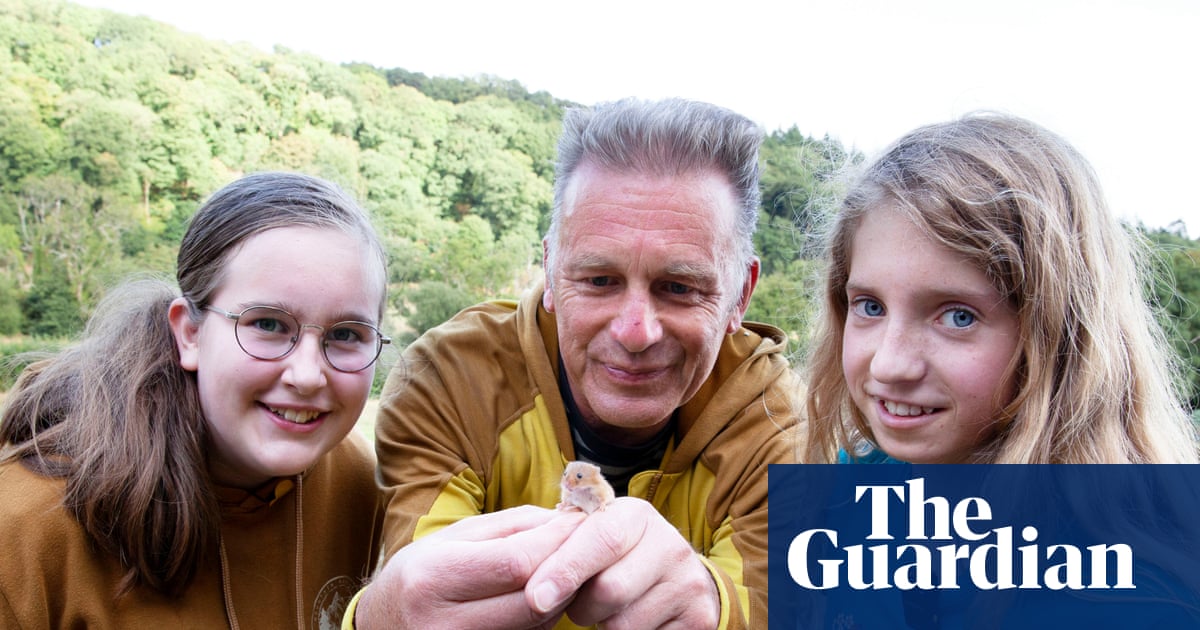
🔮 In 2025 her Wild Pets project was a runner-up in Prince William’s junior Earthshot competition, with crowdfunding supporting the first harvest mouse release.
Also by Patrick Barkham
Nothing else under this byline is closely related to this article, so these are simply their most recent.

Topics

Butterfly Conservation UKCEH the Joint Nature Conservation Committee the UK Centre for Ecology & Hydrology the UK Pollinator Monitoring Scheme

Subjects

UKCEH ORG · 2× Britain GPE · 1× Butterfly Conservation ORG · 1× JNCC ORG · 1× Jo Milborrow PERSON · 1× Martin Harvey PERSON · 1× the Joint Nature Conservation Committee ORG · 1× the UK Centre for Ecology & Hydrology ORG · 1× the UK Pollinator Monitoring Scheme ORG · 1×

Narrative

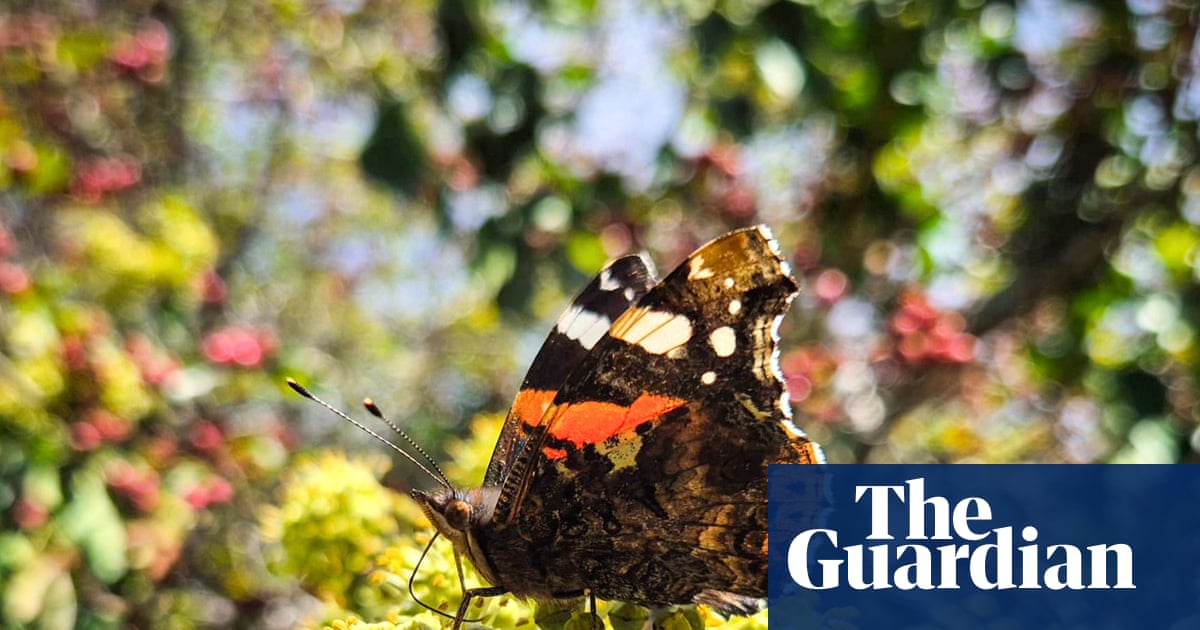
Jo Milborrow, the butterfly monitoring officer for Butterfly Conservation, one of the partners in the pollinator monitoring scheme, said: “We already recommend ivy as a great plant to grow because it is an important resource for breeding holly blue butterflies and nectaring commas and red admirals, so the fact that this easy-to-grow native species is also the number one plant for pollinating insect visits is a fantastic discovery – we would recommend people to start growing ivy today!”
framing: mixed · carried by 1 article(s) · first seen 2026-10-14
🔮 The popularity and importance of plants for insects that many gardeners might dig up or cut down are revealed by the UK Pollinator Monitoring Scheme, in which citizen scientists have recorded insect visits to flowers during 10-minute surveys since 2017.

Claims (11 extracted, 4 hedged)

Ubiquitous urban plants often derided as “weeds” are the most attractive to pollinating insects. asserted
plants → deride → insects
The autumn blooms of common ivy, rich in pollen and nectar, are the most visited by insects including bees and butterflies, according to an eight-year study. uncertain
blooms → visit → study
The next most popular are hogweed and bramble flowers, followed by non-native buddleia, which attracts four times as many butterflies and moths as other high-scoring flowers. asserted
which → follow → flowers
The popularity and importance of plants for insects that many gardeners might dig up or cut down are revealed by the UK Pollinator Monitoring Scheme, in which citizen scientists have recorded insect visits to flowers during 10-minute surveys since 2017. uncertain
scientists → dig → 2017
Ivy received 22 visits by flying insects per 10-minute count with hogweed a close second (20) followed by buddleias, bramble, knapweeds and thistles, which received an average of 14 visits each. asserted
which → receive → visits
Jo Milborrow, the butterfly monitoring officer for Butterfly Conservation, one of the partners in the pollinator monitoring scheme, said: “We already recommend ivy as a great plant to grow because it is an important resource for breeding holly blue butterflies and nectaring commas and red admirals, so the fact that this easy-to-grow native species is also the number one plant for pollinating insect visits is a fantastic discovery – we would recommend people to start growing ivy today!” asserted
we → monitor → ivy
The survey, which is run by the UK Centre for Ecology & Hydrology (UKCEH) and the Joint Nature Conservation Committee (JNCC), found that hoverfly numbers had declined by about a third in both abundance and total number of species recorded across Britain over the past eight years. asserted
numbers → run → years
There was better news for solitary bees, which increased in one survey. asserted
which → be → survey
Honeybees, beetles and flies excluding hoverflies all increased in the survey, which covered mostly gardens, suggesting that these could be providing an important refuge for some pollinators. uncertain
these → exclude → pollinators
Martin Harvey, a volunteer coordinator at UKCEH, said volunteers could contribute counts via the Pollinator Monitoring Scheme website next year between April and September. uncertain
volunteers → say → April
“Participants often say how much they have enjoyed spending time counting pollinators,” he said, “and it is always fascinating to observe the close association between insects and flowers”. asserted
it → say → insects

💬Give feedback
🕘History 🎫Support