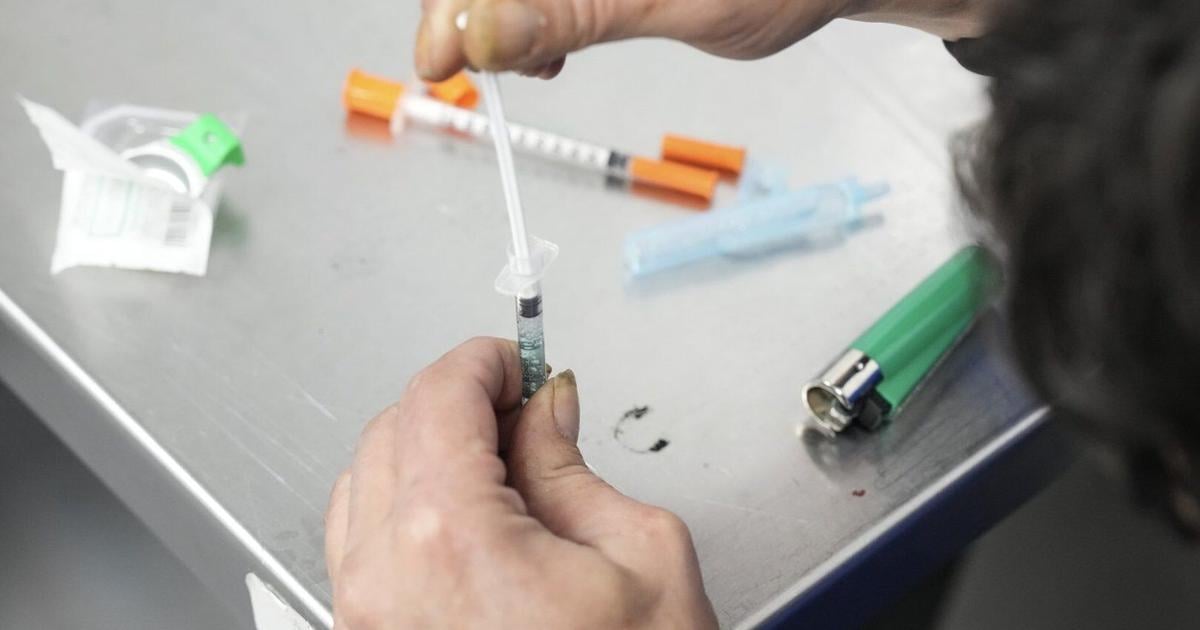
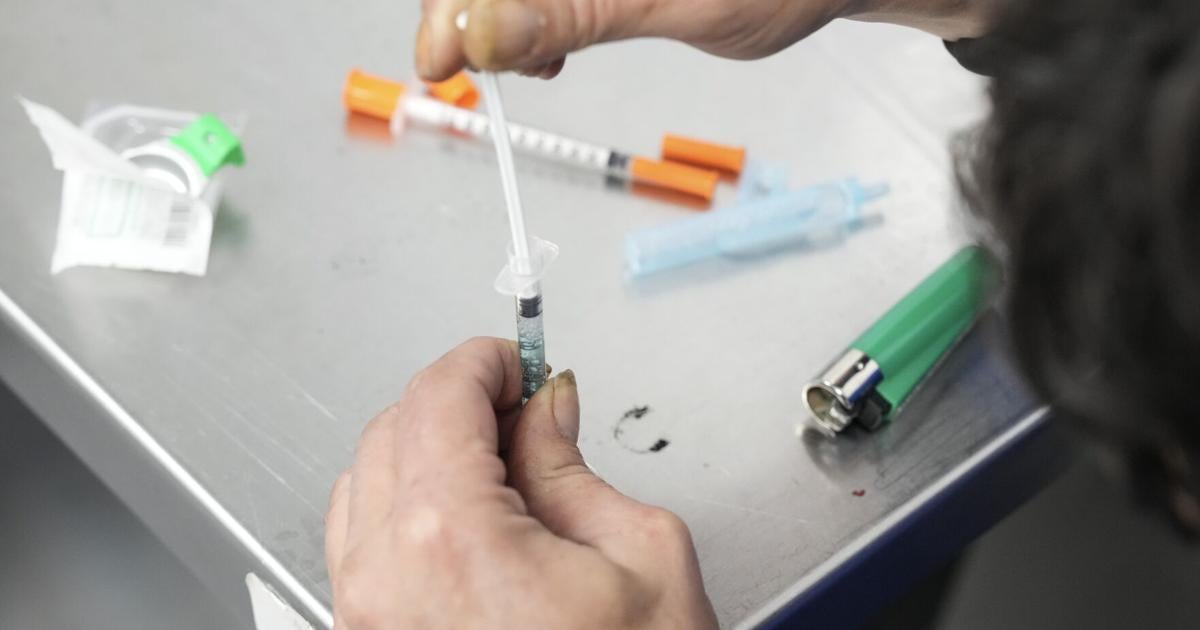
Changes to prescribing safer supply drugs approved by Ontario’s medical regulator

Read the original at The Globe and Mail ↗
The Globe and Mail · collected 2026-10-13 · by Liam Casey

Quick Summary

Ontario’s medical regulator, the College of Physicians and Surgeons of Ontario, approved new rules Tuesday aimed at reducing opioid diversion by mandating that doctors prescribe safer supply medications only alongside opioid agonist therapy like Suboxone or methadone. The changes also require patients to ingest their prescribed safer supply drugs under healthcare supervision rather than taking them home. These measures aim to protect public safety while addressing concerns over hydromorphone being diverted from legitimate medical use to the illicit drug market, though some board members expressed worry about how these policies might affect rural and employed individuals seeking treatment.
Written locally by qwen2.5:14b on 2026-10-13, using this article's own text rather than the other coverage of the same event (that is the story summary below).

AI analysis runs on qwen2.5:14b, locally

Story summary

Ontario's medical regulator, The College of Physicians and Surgeons of Ontario (CPSO), approved significant changes to how doctors prescribe safer supply drugs on October 13, 2026. These medications are given to people at high risk of overdose as an alternative to illicit opioids. The CPSO board voted to implement three main measures: requiring physicians to only prescribe safer supply medications in conjunction with opioid agonist treatment; mandating monthly comprehensive in-person clinical assessments for patients receiving these medications; and necessitating that the medication be consumed under physician supervision, eliminating “carries” (prescriptions taken home).

Some experts argue that this move will lead to better oversight of prescribing practices, while others fear it might push high-risk users towards more dangerous street drugs like fentanyl. Hydromorphone, a potent opioid about five to ten times stronger than morphine, is one such drug being regulated under these changes. The shift aims to reduce the diversion of safer supply opioids into illicit markets but raises concerns for those who do not respond well to opioid agonist therapy and might lack effective alternatives.

Written for “Ontario Safer Supply Drugs Regulations” on 2026-10-13, grounded in this article and the 2 other(s) covering the same event.
Why this leaning score
This article does not take a side on a contested political question, so it has no leaning score. That is an answer rather than a gap: a match report or a rescue can be warmly or critically written without being left or right, and scoring it anyway is how approval of a subject gets recorded as a political position.
No political leaning scored for article 77633 · logged 2026-10-13

Story

📰 Ontario Safer Supply Drugs Regulations
Health · 3 article(s) covering the same event. See how they differ ↓

Compared with similar articles

This article reads unscored and hedges 5% of its claims. Each row says how that neighbour differs.
Toronto Star · 0.98 cosine similarity
⚖️ leaning not scored 🔴 0% hedged 0 of 2 📰 publisher trust 63
“Both articles report on the same approval of changes by Ontario’s medical regulator to prescribing safer supply drugs, occurring on the same date.”
Toronto Star
⚖️ leaning not scored 🔴 12% hedged 3 of 25 📰 publisher trust 63
“Both articles describe the same regulatory action taken by Ontario's medical regulator to change prescribing rules for safer supply opioids on the same day.”

Cite this article

Casey, L. (2026, October 13). Changes to prescribing safer supply drugs approved by Ontario’s medical regulator. The Globe and Mail. https://www.theglobeandmail.com/canada/toronto/article-safer-supply-drugs-opioids-ontario/

Dated from the outlet's own feed. Check the original for its byline.

How this article was measured signals, leaning charts, publisher record, byline, topics and claims

Signals How these are calculated →

Claims extracted
20
sentences that state something as happening or true
Uncertain
5%
1 of 20 hedged ("reportedly", "may", "according to")
Leaning
not political
takes no side on a contested political question
Publisher signals
52/100
The Globe and Mail's corrections and hedging, across everything collected from it. Not a measure of accuracy.
Outlets on this story
3
Health
Same framing elsewhere
1
articles that frame the event the way this one does
Analyzed 2026-10-13 · how these are computed

How this is being covered How these are calculated →

Article leaning vs. publisher reliability
Source leaning vs. consistency

Publisher

The Globe and Mail · 699 article(s) · 26 correction(s) detected
Running correction rate · 26 correction(s)

Who wrote this

Liam Casey
14 article(s) here · 1 carrying a prediction
🔮 The College of Physicians and Surgeons of Ontario’s board of directors will soon implement several changes to the practice of prescribing safer supply, which are medications given to people at high risk of overdose as an alternative to illicit opioids.
🔮 - Ontario is set to move parts of the province’s northwest region to permanent daylight time in order to align with Manitoba, Indigenous Affairs Minister Greg Rickford told The Canadian Press.
🔮 Ontario is set to move parts of the province’s northwest region to permanent daylight time in order to align with Manitoba.
🔮 Marineland had said it was running out of money and could no longer care for its whales.
🔮 Aquariums investigate what caused animals' deaths Marineland closed in 2024 and has said it was running out of money and could no longer care for its whales.
🔮 Marineland had said it was running out of money and could no longer care for its animals.
🔮 Marineland said it was running out of money and needed the whales gone otherwise they would be euthanized.
Also by Liam Casey
Nothing else under this byline is closely related to this article, so these are simply their most recent.
All 14 articles by Liam Casey →

Topics

Addiction Medicine Canada Ontario The College of Physicians and Surgeons of Ontario’s the Ontario Drug Policy Research Network the Ontario Medical Association

Subjects

Ontario GPE · 3× Safieh PERSON · 3× Addiction Medicine Canada ORG · 1× Anil Chopra PERSON · 1× Chopra PERSON · 1× Patrick Safieh PERSON · 1× Peter Wiesner PERSON · 1× The College of Physicians and Surgeons of Ontario’s ORG · 1× the Ontario Drug Policy Research Network ORG · 1× the Ontario Medical Association ORG · 1×

Narrative

Board member Peter Wiesner said he was concerned that the policy will not work for everyone, citing information sent in by the Ontario Drug Policy Research Network that shows more than 87 per cent of patients on safer supply are also on opioid agonist therapy. “But what about the 12 per cent that it doesn’t work for?” he asked.
framing: assertive · carried by 1 article(s) · first seen 2026-10-13
🔮 The College of Physicians and Surgeons of Ontario’s board of directors will soon implement several changes to the practice of prescribing safer supply, which are medications given to people at high risk of overdose as an alternative to illicit opioids.
2026-10-13 · The Globe and Mail
Changes to prescribing safer supply drugs approved by Ontario’s medical regulator · assertive framing

Claims (20 extracted, 1 hedged)

Ontario’s medical regulator approved significant changes Tuesday to the way doctors prescribe safer supply drugs, in an effort to reduce the amount of opioids making their way to the streets. asserted
doctors → approve → streets
The College of Physicians and Surgeons of Ontario’s board of directors will soon implement several changes to the practice of prescribing safer supply, which are medications given to people at high risk of overdose as an alternative to illicit opioids. asserted
which → implement → opioids
The board met Tuesday and passed a motion to enact the changes following a discussion on the proposals. asserted
board → meet → proposals
The college will make it mandatory for physicians to prescribe safer supply medications only in conjunction with opioid agonist therapy. asserted
physicians → make → therapy
The therapy uses medications such as Suboxone and methadone to treat opioid addiction. asserted
therapy → use → addiction
“We are just here to protect the public and we’re here to ensure that the public is safe,” said Dr. Patrick Safieh, the board’s chair, near the end of the meeting. asserted
Safieh → protect → meeting
“So we’re trying to prevent diversion as much as possible and at the same time, ensuring that those that do require safer supply are taking (opioid agonist therapy) so that eventually no one is on this and needs this, that’s the purpose. asserted
that → try → this
The most common form of safer supply is hydromorphone, a powerful opioid often prescribed for pain but significantly less potent than fentanyl and its derivatives that dominate the illicit drug supply chain. asserted
that → prescribe → chain
Patients will now have to take the safer supply medications in front of health-care professionals, rather than take the pills home. asserted
Patients → have → pills
The college will not go ahead with an eight-week time limit for physicians to prescribe safer supply to patients it had previously considered. asserted
it → go → patients
Police forces in Ontario have said that diversion of patients’ prescription hydromorphone to the black market is occurring, Safieh said. asserted
Safieh → say → market
The board heard from Dr. Anil Chopra, the college’s associate registrar, who said they have also received information from governments, Addiction Medicine Canada, the addictions section of the Ontario Medical Association and from public health officers that diversion of hydromorphone to the streets is occurring. asserted
diversion → hear → streets
Chopra, Safieh and others agreed there is no data available to properly quantify where the hydromorphone on the street is coming from, but said at least part of it is from safer supply prescriptions. asserted
part → agree → prescriptions
Board member Peter Wiesner said he was concerned that the policy will not work for everyone, citing information sent in by the Ontario Drug Policy Research Network that shows more than 87 per cent of patients on safer supply are also on opioid agonist therapy. “But what about the 12 per cent that it doesn’t work for?” he asked. asserted
he → say → that
“We need to find, I think, some exemptions for the 12 per cent.” asserted
I → need → cent
He said the new policy will have an outsized effect on those living in rural Ontario who are not close to a pharmacy. asserted
who → say → pharmacy
Another concern he raised are for those people who are employed who are using safer supply drugs. asserted
who → raise → drugs
Those people may have difficulties getting to a pharmacy every day to take their medicine if they are not allowed to take some home with them. uncertain
they → have → them
Safieh said the college will monitor the changes and make adjustments down the road if necessary. asserted
college → say → road
The office of Health Minister Sylvia Jones has previously said she supports the changes. asserted
she → say → changes

💬Give feedback
🕘History 🎫Support