China-US astronomy team may have found possible relic of a recent ‘gold factory’

Read the original at South China Morning Post ↗
South China Morning Post · collected 2026-10-13 · by Ling Xin

Quick Summary

Scientists from China and the United States might have discovered evidence of a recent neutron star collision that produced heavy elements like gold, platinum, and uranium. This event, possibly occurring less than 1,000 years ago, left behind a bright glow in the Milky Way, indicating young remnants of the explosion. Researchers at the Chinese Academy of Sciences and the University of Notre Dame suggest that this cosmic event could explain the presence of these elements in our galaxy.
Written locally by qwen2.5:14b on 2026-10-13, using this article's own text rather than the other coverage of the same event (that is the story summary below).

AI analysis runs on qwen2.5:14b, locally

Story summary

Scientists from the Chinese Academy of Sciences in Beijing and the University of Notre Dame in Indiana have discovered a mysterious glow in the Milky Way that could be evidence of a recent cosmic event involving neutron star collision. This violent encounter, which likely occurred less than 1,000 years ago, resulted in the emission of heavy elements like gold, platinum, and uranium, while also creating a black hole. The small, bright cloud left behind indicates it is still relatively young, suggesting that this cosmic phenomenon is recent enough to be observed with current technology.

Written for “Chinese Us Astronomy Discovery” on 2026-10-13, grounded in this article and the 0 other(s) covering the same event.

Signals How these are calculated →

Claims extracted
2
claim-shaped sentences
Uncertain
50%
1 of 2 hedged
Leaning
not political
takes no side on a contested political question
Correction & hedging signals
66.8
corrections and hedging in what we collected; not a measure of accuracy
Outlets on this story
1
Science
Narrative spread
1
articles carrying this framing
Analyzed 2026-10-13 · how these are computed

Story

📰 Chinese Us Astronomy Discovery
Science · 1 article(s) covering the same event.

How this is being covered How these are calculated →

Article leaning vs. publisher reliability
Source leaning vs. consistency

Compared with similar articles

Nothing to compare against. No article is close enough to this one for the pipeline to have linked or judged the pair.

Publisher

South China Morning Post · 2158 article(s) · 4 correction(s) detected
Running correction rate · 4 correction(s)
2026-10-04
Flight to Okinawa diverts back to Hong Kong after suspected landing gear fault
2026-10-04
Tennessee prisons chief resigning after botched execution of Christa Pike
2026-09-29
Indonesian prison chief suspended over secret VIP compound for inmates
2026-09-28
Trump ‘arms offer’ to China jolts Washington into moves to contain the fallout

Who wrote this

Ling Xin
9 article(s) here · 1 carrying a prediction
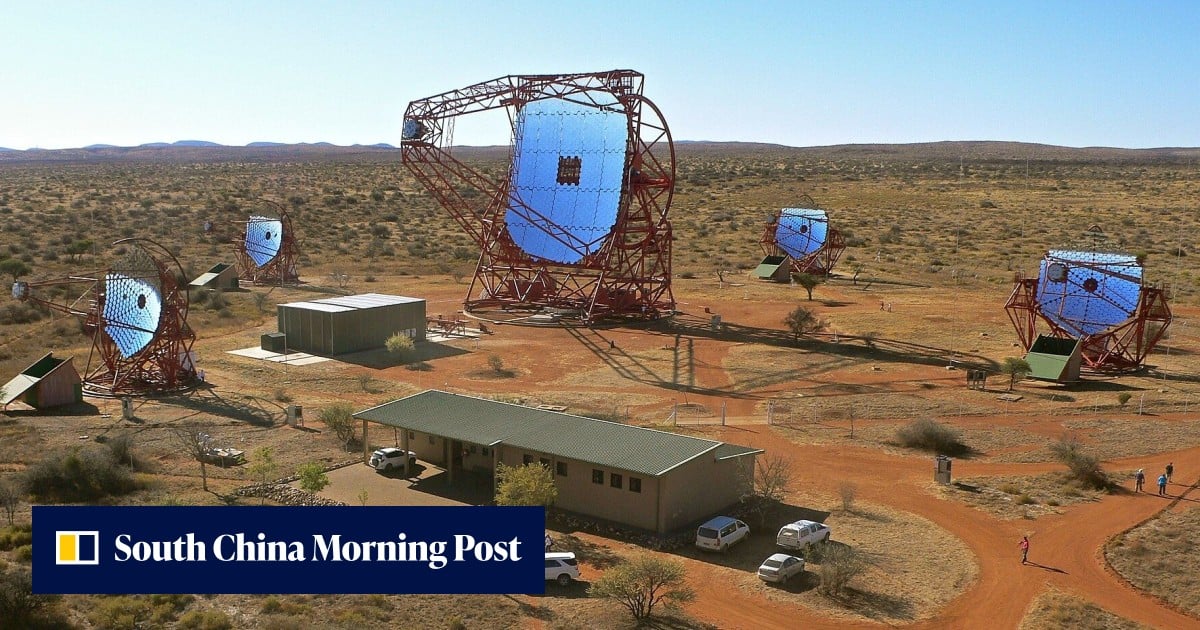
🔮 China-US astronomy team may have found possible relic of a recent ‘gold factory’ Mystery glow seen in the Milky Way could be the result of a violent collision between two orbiting neutron stars, according to scientists The violent smash spewed out atoms and a flood of neutrons, which the atoms soaked up to form some of the universe’s heaviest elements, such as gold, platinum and uranium, while the wreckage collapsed into a black hole.
🔮 According to the latest papers, the Beijing scientists also showed that two crystals grown separately kept the same time – a sign such clocks could be reliably reproduced, they said.
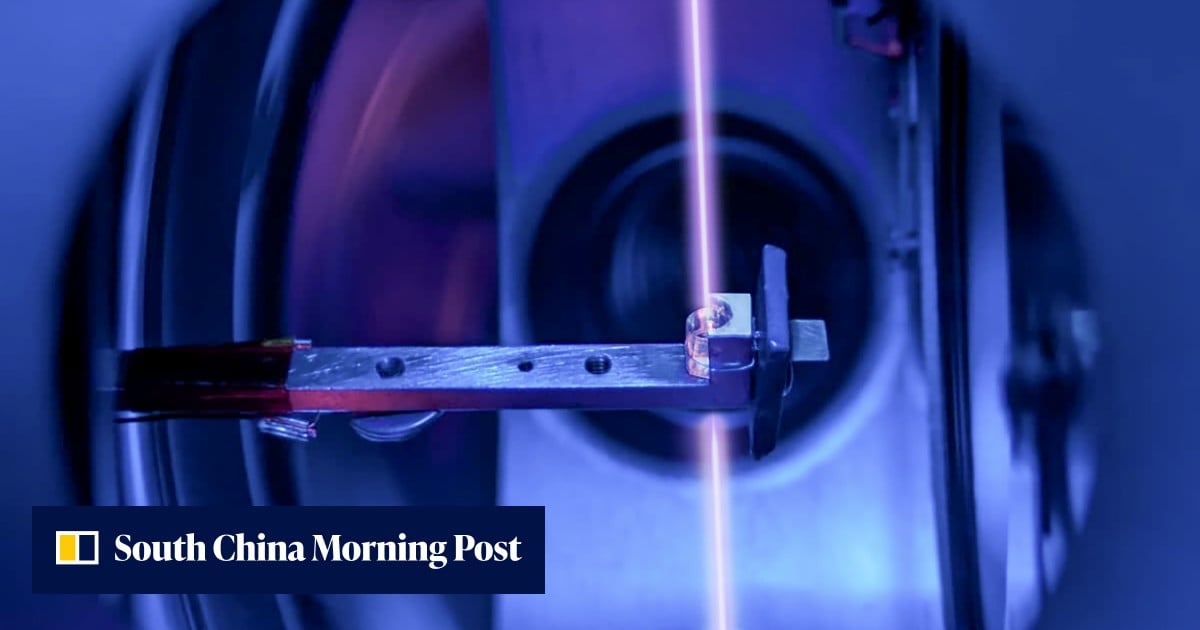
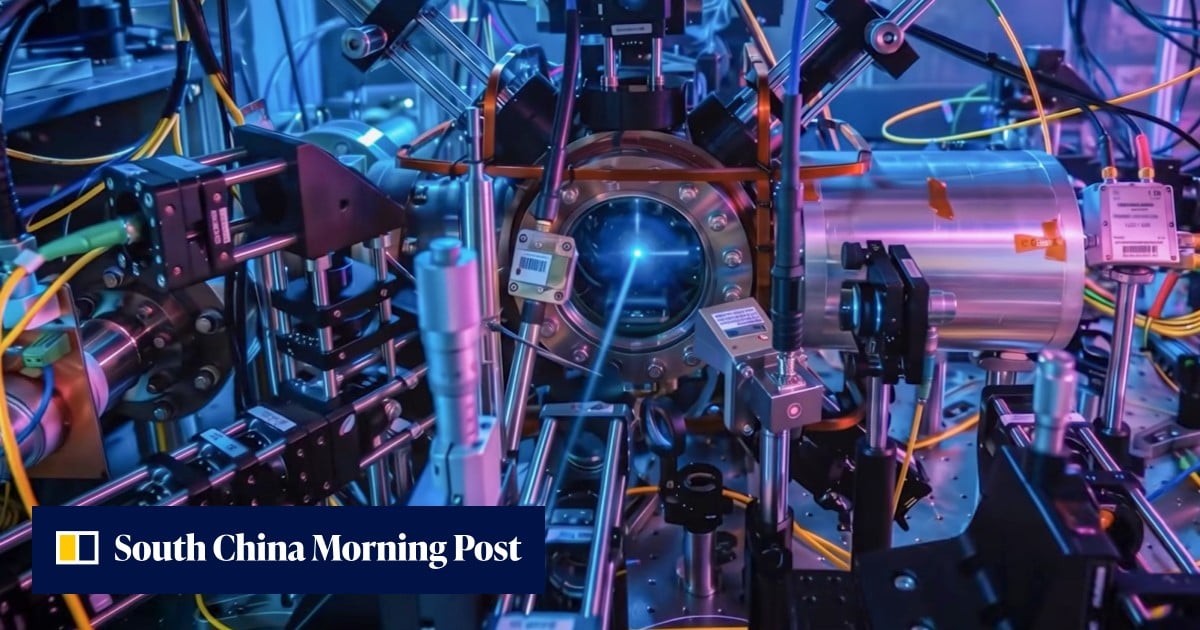
🔮 David vs Goliaths: Singapore builds most accurate clock ever, leaves US and China in dust The decade-long project could help to pave the way for a redefinition of the second, researchers claim in a new paper The clock, built with a single ion of a rare earth metal element known as lutetium, is so precise that it would lose one second every 260 billion years – nearly 20 times the age of our universe.
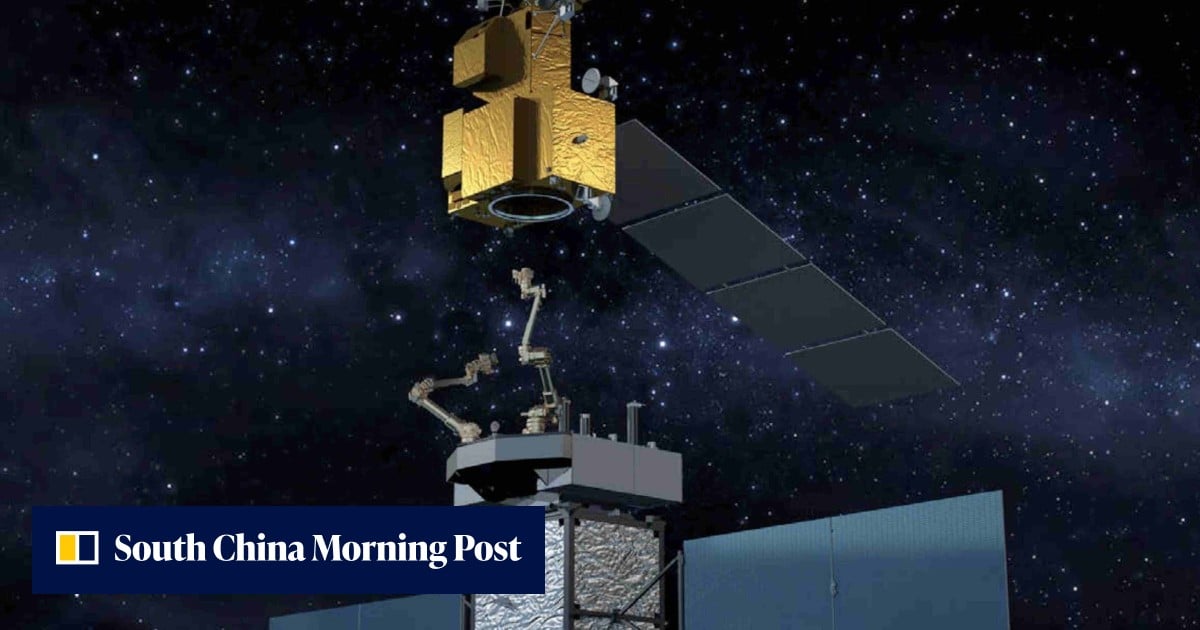
🔮 Claims China’s BeiDou satellite was refuelled in orbit could change space race
🔮 That made it impossible for ground controllers to intervene in real time, wrote researchers from the China Academy of Space Technology – the country’s main spacecraft manufacturer – in a paper that will be published in the Journal of Deep Space Exploration.
🔮 China uses 100,000 home-grown AI chips to build leading weather forecast system The Sugon 8,000 system can predict weather 10 days in advance, bringing the country closer to its ambitious forecasting goals China said it can now predict weather 10 days in advance at a cutting-edge resolution of 5km (3.1 miles), finer than most major systems in routine use around the world.
🔮 The project will involve partners from at least five other countries as they track the development of space weather China has started an international project to build a three-dimensional satellite network between Earth and the moon that will track solar activity and study some of the universe’s most powerful explosions.
Also by Ling Xin
Nothing else under this byline is closely related to this article, so these are simply their most recent.

All 9 articles by Ling Xin →

Topics

Beijing China Indiana the Chinese Academy of Sciences the University of Notre Dame

Subjects

Beijing GPE · 1× China GPE · 1× Indiana GPE · 1× the Chinese Academy of Sciences ORG · 1× the University of Notre Dame ORG · 1×

Narrative

The blast probably happened less than 1,000 years ago, as the glowing cloud it left behind is still small and bright, signs of a young remnant, wrote the researchers from the Chinese Academy of Sciences in Beijing and the University of Notre Dame in Indiana.
framing: mixed · carried by 1 article(s) · first seen 2026-10-13
🔮 China-US astronomy team may have found possible relic of a recent ‘gold factory’ Mystery glow seen in the Milky Way could be the result of a violent collision between two orbiting neutron stars, according to scientists The violent smash spewed out atoms and a flood of neutrons, which the atoms soaked up to form some of the universe’s heaviest elements, such as gold, platinum and uranium, while the wreckage collapsed into a black hole.
2026-10-13 · South China Morning Post
China-US astronomy team may have found possible relic of a recent ‘gold factory’ · mixed framing

Claims (2 extracted, 1 hedged)

China-US astronomy team may have found possible relic of a recent ‘gold factory’ Mystery glow seen in the Milky Way could be the result of a violent collision between two orbiting neutron stars, according to scientists The violent smash spewed out atoms and a flood of neutrons, which the atoms soaked up to form some of the universe’s heaviest elements, such as gold, platinum and uranium, while the wreckage collapsed into a black hole. uncertain
wreckage → find → hole
The blast probably happened less than 1,000 years ago, as the glowing cloud it left behind is still small and bright, signs of a young remnant, wrote the researchers from the Chinese Academy of Sciences in Beijing and the University of Notre Dame in Indiana. asserted
researchers → happen → Indiana
💬Give feedback
🕘History 🎫Support