The Aporia
The Aporia
The Aporia
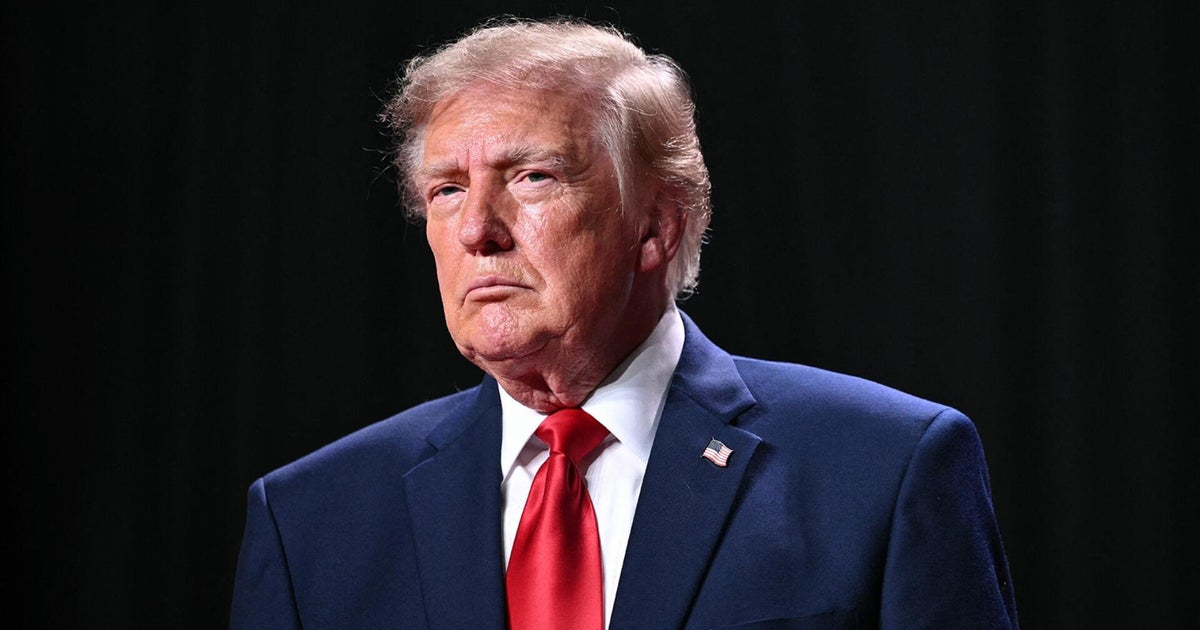
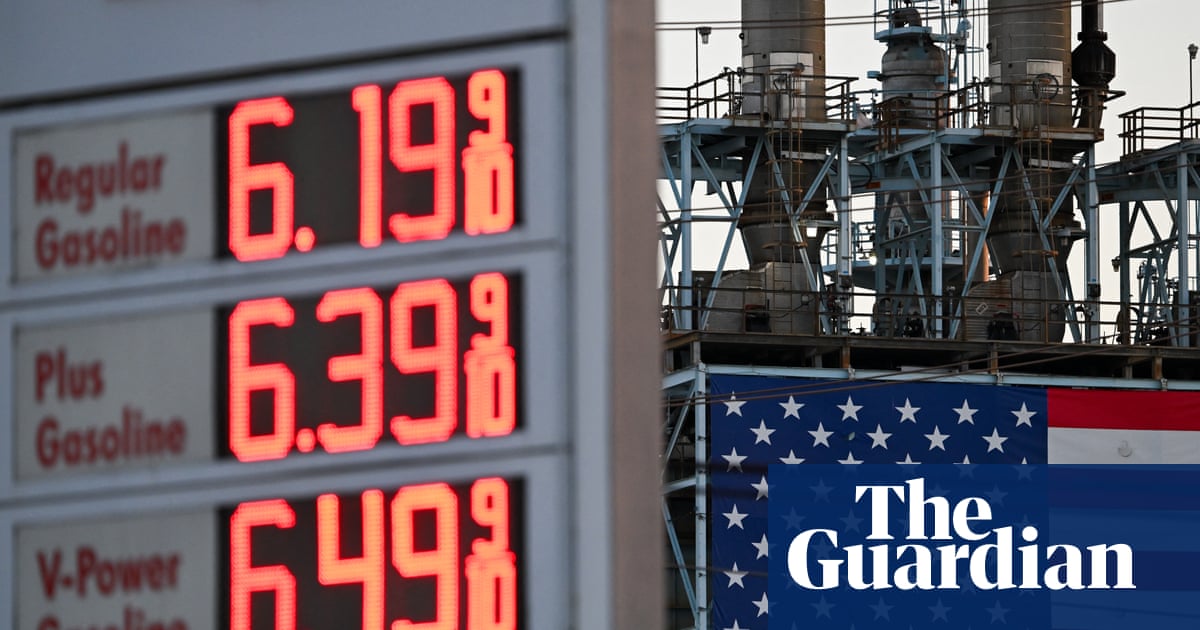
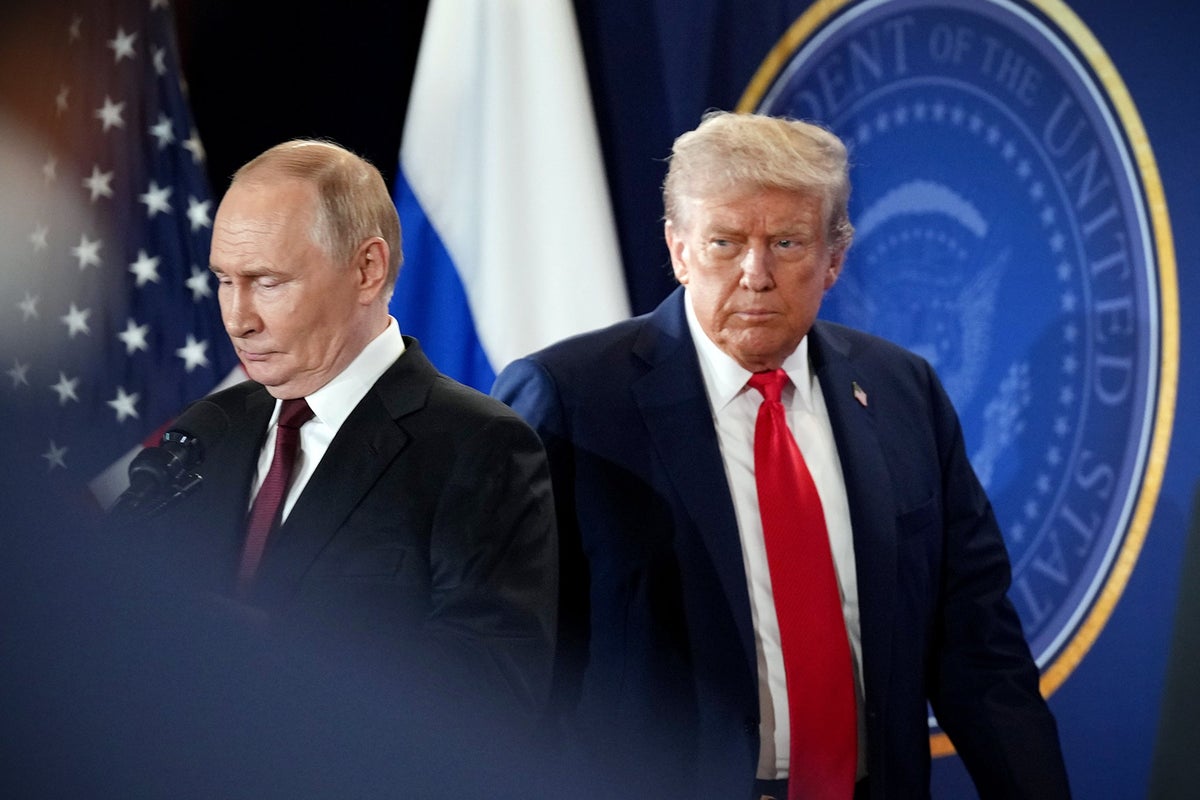
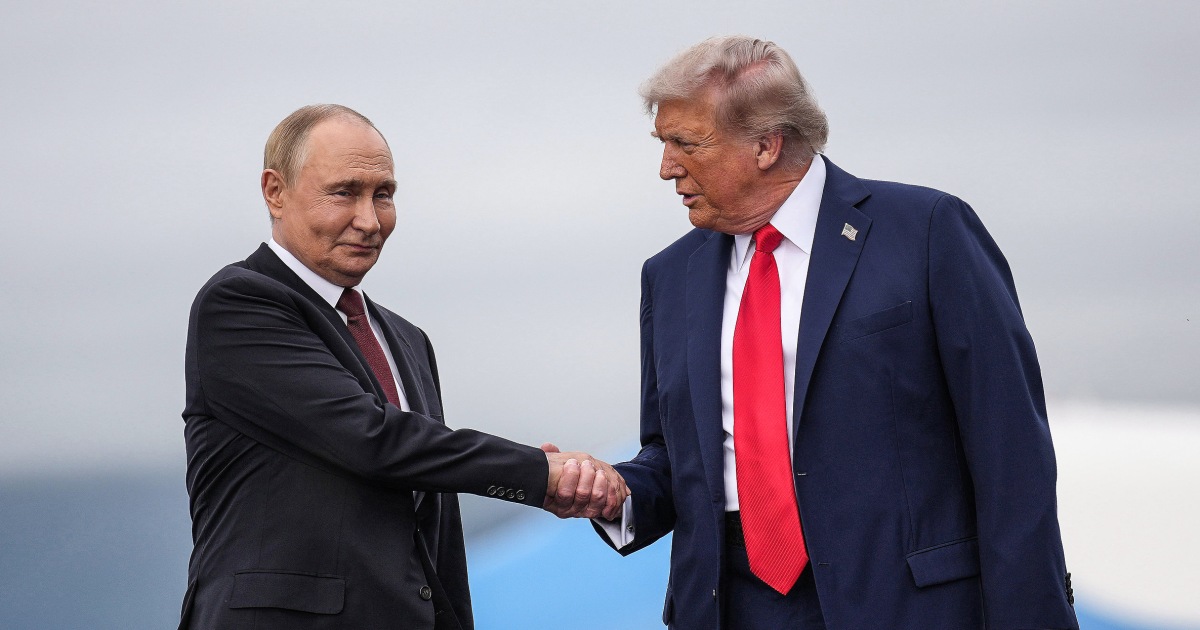
On October 9, President Donald Trump announced a controversial deal with Russian President Vladimir Putin to supply the US and global markets with diesel fuel from Russia. This move was seen as a direct attempt to lower rising fuel prices in America ahead of the November midterm elections. Under this agreement, Russia would immediately export more than 300,000 tonnes of diesel, followed by an additional 500,000 tonnes in November and another million tonnes afterward.
The Ukrainian President Volodymyr Zelensky strongly criticized Trump's deal, stating it was “an investment in a war that must be ended.” He argued that the agreement undermines Ukraine’s efforts to reduce Russia’s revenue from diesel exports, which funds Moscow’s aggression against Ukraine. Zelensky warned that easing sanctions on Russian fuel would provide Putin with more money to fund his ongoing attacks.
The deal also faced criticism from other world leaders and military experts. Former NATO commander Philip Breedlove and UK Prime Minister Boris Johnson both condemned the agreement, arguing it could undermine efforts to counter Russian aggression in Ukraine. The UK government pledged to maintain tough sanctions on Russia despite Trump’s announcement, emphasizing their commitment to increasing the cost of Putin's war.
Germany similarly maintained its stance on sanctions against Russia, reaffirming support for Ukraine and diplomatic efforts towards peace.