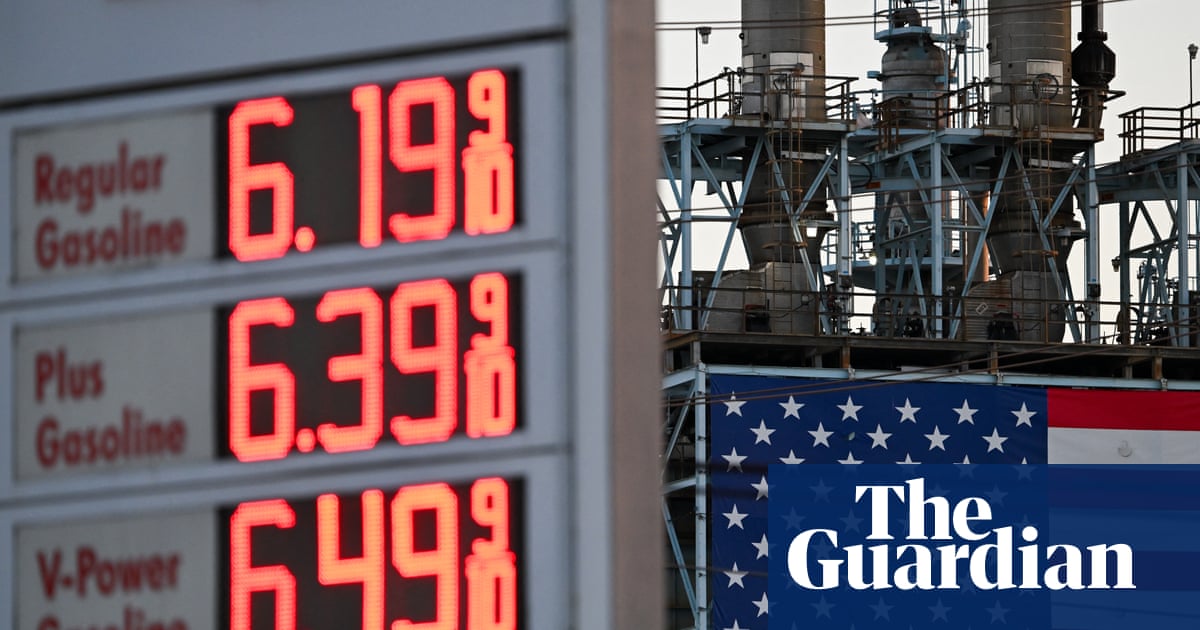
As winter approaches, Russia has lifted its ban on exports of diesel and is preparing to sell hundreds of thousands of tonnes to the United States and other countries.
asserted
Russia → approach → States
The move is part of a deal negotiated between US President Donald Trump and Russian President Vladimir Putin, which resulted in the US Department of the Treasury issuing a sanctions waiver on Russian fuel.
asserted
Department → negotiate → fuel
The deal was struck amid a growing global crisis over energy supplies and prices.
asserted
deal → strike → supplies
More importantly for Trump, he announced it just a few weeks before the US midterm elections, in which his Republican Party risks losing its majority in both houses of Congress.
asserted
Party → announce → Congress
Trump is in dire need of being seen by American voters as caring for them.
asserted
Trump → see → them
The fact that Trump turned to Putin and the latter was in a position to oblige him reflects Russia’s crucial role in the global energy market.
asserted
latter → turn → market
But it also revealed the White House’s willingness to dump a client at a time of weakness – Ukraine, in this case – to serve domestic interests.
asserted
it → reveal → interests
Whether the deal constitutes a turning point in the US approach to the war in Ukraine is not clear yet.
asserted
constitutes → constitute → Ukraine
The fate of last year’s Anchorage understanding suggests it should be approached with caution.
uncertain
it → suggest → caution
Trump’s sudden mention post-deal of an “energy ceasefire”, which is unacceptable to Russia, looks like the US president balancing a move towards Moscow with another one reassuring Kiev – and the Europeans.
asserted
president → look → Kiev
In any event, the US’s ambivalent position is not helping Ukraine and its European allies as they struggle with an energy crisis and continuing losses.
asserted
they → help → crisis
The conflict, since its very start, has been about much more than what happens on the battlefield.
asserted
what → happen → battlefield
When the US-led West in the spring of 2022, declared the “strategic defeat of Russia” as its top goal, it hoped that Western sanctions would “turn the rouble into rubble”, as then-US President Joe Biden famously said, and leave the Russian economy in tatters, all translating into Russia’s military collapse.
asserted
Biden → lead → collapse
This, as we know, did not work.
asserted
we → know → ?
Now, Ukraine and its European allies face another difficult winter that will test their resilience to continue fighting a war of attrition.
asserted
that → face → attrition
Their strategy – to escalate through a heavy air campaign against targets deep in Russian territories – has not worked either.
asserted
strategy → escalate → territories
The expectation was that ordinary Russian citizens, once directly affected by the war, would rise up and compel the Kremlin to agree to a ceasefire that would give Ukraine much-needed respite.
asserted
that → affect → respite
In retaliation for the campaign, which Putin admitted cost 1 percent of Russia’s gross domestic product, the Russian army has launched its own.
asserted
army → admit → own
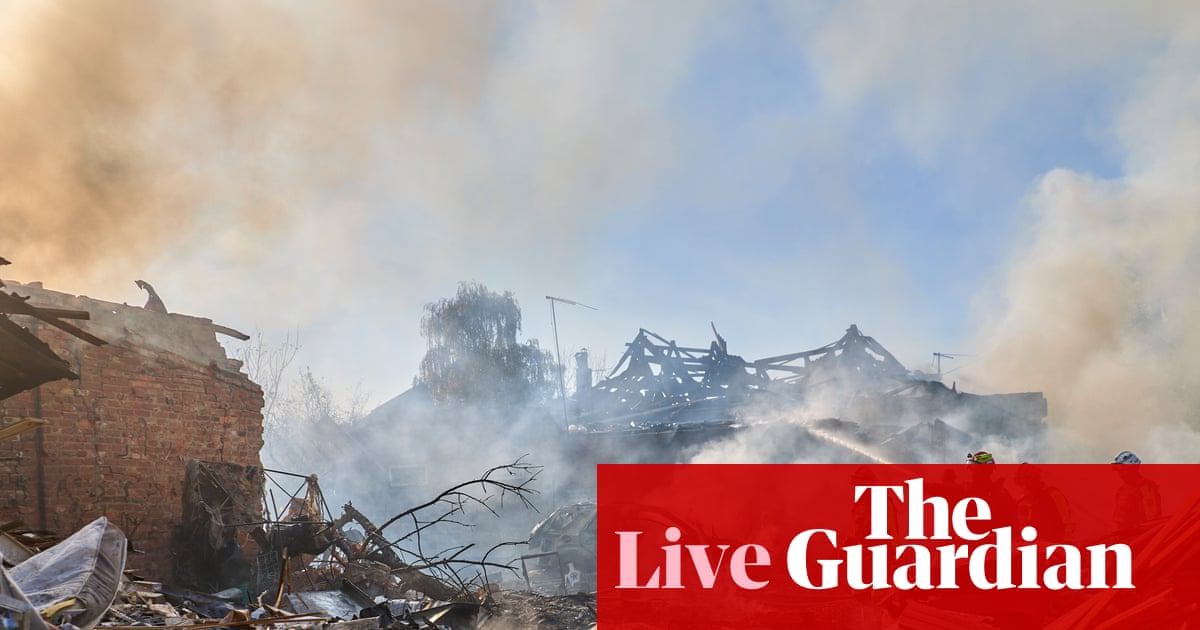
It has dropped some of its self-imposed restraint and begun hitting the targets that heretofore it had avoided, such as ships carrying goods to and from Ukraine, bridges across the Dnieper River and data centres.
asserted
it → drop → River
Some observers have wondered whether for Russia, this is a way “to escalate to de-escalate” – six to nine months of intense air war in combination with advances on the ground that could bring the conflict to an end.
uncertain
that → wonder → end
Indeed, Ukraine’s economy is suffering severe damage.
asserted
economy → suffer → damage
Its Black Sea ports can no longer handle its wheat exports; the country’s steel industry has halted production; rail logistics are disrupted by the lack of operable engines.
asserted
logistics → handle → engines
Meanwhile, Kiev is being subjected to not just daily but virtually round-the-clock drone and missile attacks.
asserted
Kiev → subject → attacks
The Ukrainian capital’s outlook for the coming winter is dire.
asserted
outlook → come → winter
Local authorities have started calling on residents to leave as winter preparations, like heating backups and food and water stockpiles, may not be enough to pull through the cold months.
uncertain
preparations → start → months
If he agrees to withdraw Ukrainian forces from the remaining part of Donetsk, as Putin has demanded, he has to fear for his life.
asserted
he → agree → life
If there is a new presidential election in Ukraine, he clearly will lose.
asserted
he → be → Ukraine
Once he loses, his patrons will dump him: just like they did to the likes of Mikheil Saakashvili, Georgia’s ex-president, who is now serving time in a Tbilisi prison.
asserted
who → lose → prison
Ukrainian politicians have become more restive of late, but they are not breaking ranks with Zelenskyy on the issue of war and peace.
asserted
they → become → war
Nationalists at home and donors in the West are adamant that the fight will go on.
asserted
fight → go → West
The current opportunity of using what had been the second-largest republic in the former Soviet Union to weaken Russia, Europe’s historic adversary, is too good to be missed.
asserted
what → use → Russia
Europe, which pays for half of Kiev’s budget, appears to think it can afford to continue fighting “to the last Ukrainian”, hoping that it can kill more Russians and thus cripple their country.
asserted
it → pay → country
This is not to blunt the supposedly imminent Russian threat, which is a red herring.
asserted
which → blunt → threat
Russia is precisely the enemy at the door that the EU needs to keep itself together.
asserted
EU → need → itself
Military Keynesianism is a way to relaunch the economy, and branding political competitors as “Putin’s agents” is convenient to the extreme.
asserted
branding → relaunch → extreme
Besides, a number of EU and NATO members are covertly seeking historical revanchism: Germany for Hitler’s defeat in 1945, Poland for its several partitions, Sweden for Russia ending its great power status, Britain for the loss of its empire and so on.
asserted
Russia → seek → empire
Finally, having invested hundreds of billions in Kiev, Europe will not call it quits in Ukraine until its financial and political losses begin to outweigh the usefulness of its Ukrainian proxy. Or until a version of the 1962 Cuban nuclear missile crisis brings them to their senses.
asserted
version → invest → senses
Russia’s tested resilience in this war is superior to Ukraine’s in material terms and to Europe’s in nonmaterial ones, which will likely determine what happens in the future.
asserted
what → test → future
Chances are that both Ukraine and Europe will survive this coming winter – all the losses, privations and sufferings notwithstanding.
asserted
losses → survive → winter
They will live to fight another day – meaning a year or two (or less, as Putin has recently suggested) – but in the end Kiev is bound to lose, and Europe will have to grudgingly accept its client’s defeat while pretending that existence of a rump Ukrainian state constitutes a victory of sorts.
uncertain
existence → live → sorts
…and 1 more, not listed.
 The Aporia