The Guardian
· collected 2026-10-12 · by Dan Sabbagh Defence and security editor
Andy Burnham, during a recent interview, revived discussions about alleged Russian interference in the 2016 EU referendum by stating he was told as prime minister that such interference occurred. While he did not specify his sources or provide detailed information, Burnham suggested this new insight could inform voters about foreign efforts to disrupt democratic processes. This report contrasts with previous government positions under Conservative leadership, which largely dismissed evidence of Russian involvement in the Brexit vote. The article explores potential scenarios for what might have changed since 2016 and questions the nature of the information Burnham received.
Written locally by qwen2.5:14b on 2026-10-12,
using this article's own text rather than the other coverage of the
same event (that is the story summary below).
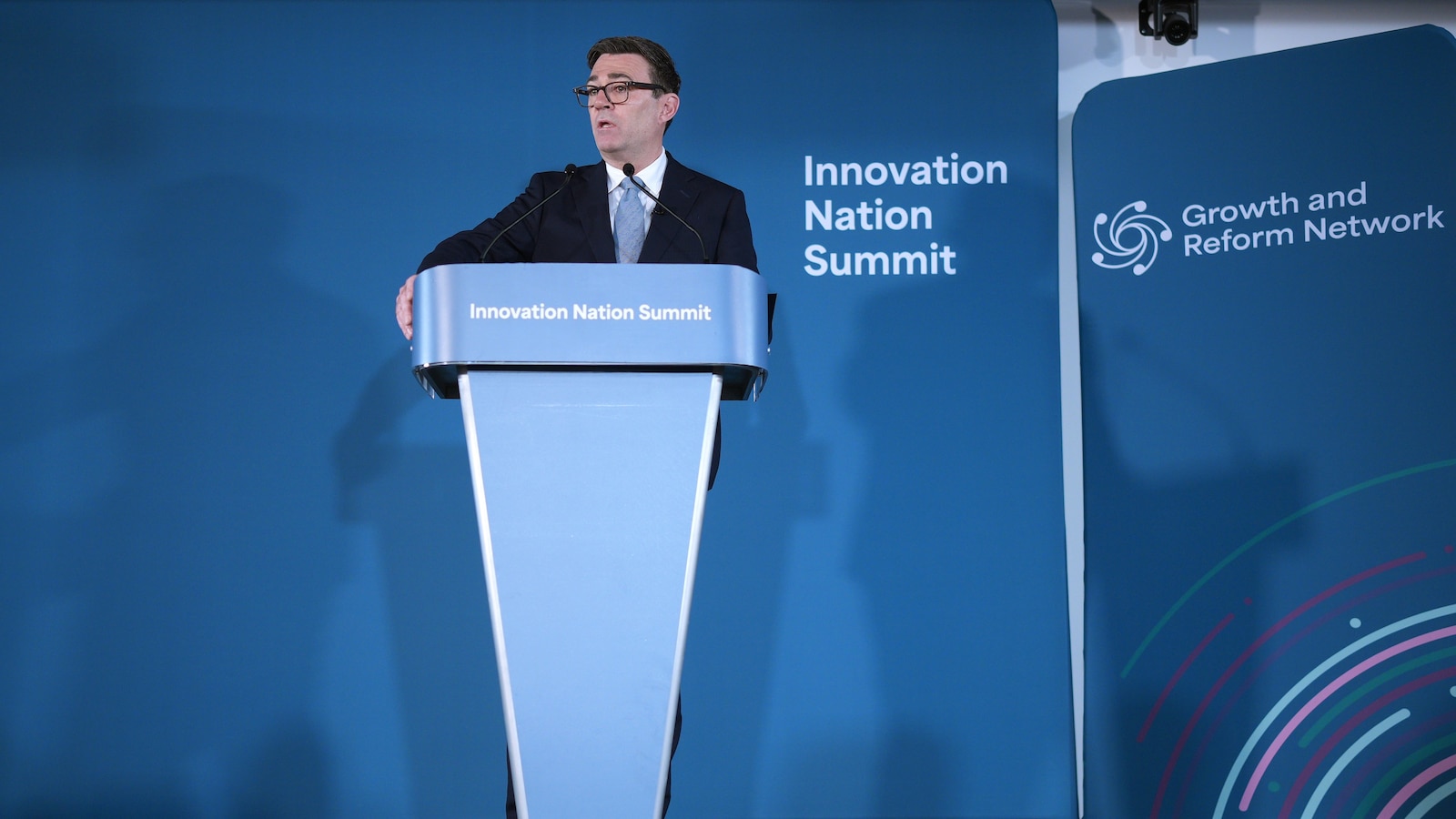
Andy Burnham unexpectedly reopened an old Brexit debate when he said he had been told after becoming prime minister that Russia had interfered in the 2016 EU referendum.
asserted
Russia → reopen → referendum
It was a contentious issue in the second half of the previous decade, but one that had largely been forgotten about as the UK finally adjusted to the reality of leaving the EU.
asserted
UK → forget → EU
Now Burnham’s comments have given the topic a fresh impetus.
asserted
comments → give → impetus
What did the prime minister say, and why could it be significant?
uncertain
it → say → What
The Russia topic came up as part of a wide-ranging interview Burnham gave to The Rest is Politics, excerpts of which were released on Sunday, in which he appeared to suggest he had been given new information about the Brexit vote.
asserted
he → come → vote
“I asked the question coming to Downing Street: ‘Was there interference in the 2016 referendum from Russia?’
asserted
I → ask → Russia
And I’ve had the clear answer that yes, there was,” he said.
asserted
he → have → answer
The prime minister did not say whom he had asked, or set out in detail what the answer was.
asserted
answer → say → detail
But his comments suggest he had been given new information of some kind, though he then switched to talking about Russian disinformation in general.
asserted
he → suggest → disinformation
“These things are important now to put clearly on the record, and I believe, help voters in Germany and France understand that some of this politics is instigated via our enemies, namely Russia,” he said.
asserted
he → put → enemies
“And, I think we’ve been too much on the back foot on that, actually.
asserted
we → think → that
And we haven’t informed people sufficiently about the extent to which people are seeking to disrupt the political process from overseas.”
What could Burnham have been told?
uncertain
Burnham → inform → process
It is hard to decipher from what the prime minister has said so far.
asserted
minister → decipher → what
A possibility is that he was given a summary of a recent assessment by the UK’s intelligence agencies, in effect a formal conclusion by them.
asserted
he → give → them
Another is that it was a relatively informal conversation with officials, where opinions were simply exchanged.
asserted
opinions → exchange → officials
The difference is significant – if there was a fresh assessment it would run counter to the previous position, established under a succession of Conservative governments in the aftermath of the Brexit vote.
asserted
it → be → vote
There were no serious official investigations into Russian interference attempts in 2016, not least because the Conservatives had no appetite to order them.
asserted
Conservatives → be → them
As time passed, it became increasingly difficult to do so.
asserted
it → pass → ?
The topic was addressed by parliament’s cross-party intelligence and security committee in its Russia report, published in July 2020, which took evidence in secret from the UK’s intelligence agencies before publishing a partly redacted report.
asserted
which → address → report
It concluded that the government “had not seen or sought evidence of successful interference in UK democratic processes”.
asserted
government → conclude → processes
No formal post-referendum assessment had been made, the committee added, and more generally the UK intelligence community was accused of taking its “eye off the ball” when it came to the Russian threat.
asserted
it → make → threat
What could have happened in 2016?
uncertain
What → happen → 2016
First that a “troll army” of state-linked Russian accounts tweeted about the referendum in the run-up to the vote, though estimates of numbers have varied wildly from 54 to 150,000 (many of which were deleted).
asserted
many → link → which
Second that Russian English-language media outlets RT and Sputnik published a large amount of anti-EU and pro-Brexit content, which had a wide reach.
asserted
which → publish → reach
The digital campaign group 89up said the two broadcasters had published 261 articles that achieved 134m potential page impressions .
asserted
that → say → impressions
Leaked emails showed he met Alexander Yakovenko, then the Russian ambassador to the UK, three times – a figure he later revised up to four – and that he was offered the chance to participate in a goldmining deal in Russia.
asserted
he → show → Russia
A subsequent investigation by the National Crime Agency into £8m-worth of loans Banks provided to Brexit campaigns run by Farage concluded the money was legitimately his and there was no evidence of wrongdoing .
But the EU referendum was also a complex, closely fought campaign in which many points of view were in play.
asserted
points → provide → play
The idea that one country, with an interest in weakening the UK and the EU, could have had a decisive influence in a vote of 33.5 million people is debatable.
uncertain
country → weaken → people
What’s going on then?
asserted
What → go → ?
The prime minister is making a broader argument that Britain needs to reconsider its relationship with the EU , arguing Brexit has not delivered what was promised.
asserted
what → make → EU
Highlighting that there could have been Russian efforts to interfere with the vote raises questions about the outcome, though Downing Street insisted on Monday it regarded the result as legitimate.
uncertain
it → highlight → result
Burnham is due to make a Commons statement on Monday afternoon on Brexit and Europe, where he will also have the opportunity to say if the intelligence agencies have made a fresh assessment about whether there was Kremlin interference in 2016.
asserted
agencies → make → 2016
If he fails to do so, he risks being accused of exaggeration.
asserted
he → fail → exaggeration
 The Aporia