That is 0 articles you have read today.
The Aporia is free and carries no advertising, so readers are the only
thing paying for it. If you are getting this much out of it, a small
donation is what keeps it independent.
Daily limit reached
You have read 0 articles today.
That is more than the 15 a day The Aporia gives away,
and well past what it can carry on nothing. Your allowance resets at
midnight.
There is no advertising here and nothing about you is sold, so readers
are the only thing paying for it. If the site is worth this much of
your day, it is worth a few dollars.
Everything else stays open: the
maps, the
directory and
search do
not count against this, and neither does re-opening something you have
already read today.
The Guardian
· collected 2026-10-11 · by Aletha Adu Political correspondent
Andy Burnham, while entering Downing Street, asked about Russian interference in the Brexit referendum and received confirmation that such interference had occurred. This statement contrasts with previous Conservative administrations' stance of denying evidence of successful Russian meddling. Burnham emphasized the importance of transparency regarding foreign interference in British politics to inform voters about threats from hostile states like Russia. He also discussed Germany's concerns over links between far-right parties and Russia during a visit to Berlin.
Written locally by qwen2.5:14b on 2026-10-11,
using this article's own text rather than the other coverage of the
same event (that is the story summary below).
Story summary
Andy Burnham, newly appointed UK Prime Minister, has claimed on the podcast "The Rest is Politics" that Russia interfered in the 2016 Brexit referendum. Upon entering Downing Street, he reportedly asked whether there was interference from Russia and received confirmation that such interference did occur. This marks a significant departure from previous Conservative governments' stance which maintained no evidence of successful Russian influence on the outcome of the vote.
Burnham's statement aligns with findings by the UK Parliament’s intelligence and security committee in 2020, which criticized the government for failing to properly investigate potential Russian interference. Burnham also mentioned speaking with German Chancellor Friedrich Merz about Russia's influence during a visit to Berlin this week, further emphasizing his concern over foreign meddling in Western democracies.
These comments are likely fueling speculation that Burnham might attempt to reverse Brexit by exploring options including rejoining the EU, though he has not specified whether another referendum would be necessary.
Written for “Russia Interfered In Brexit Vote” on 2026-10-11,
grounded in this article and the 1 other(s) covering the same event.
Why this leaning score
The article's own words the score was based on. Each is quoted
verbatim and was checked against the article text before being
stored, so you can find it in the original.
Leaning: leans left for article 72342 (high confidence, 2 verified quotes) · logged 2026-10-11
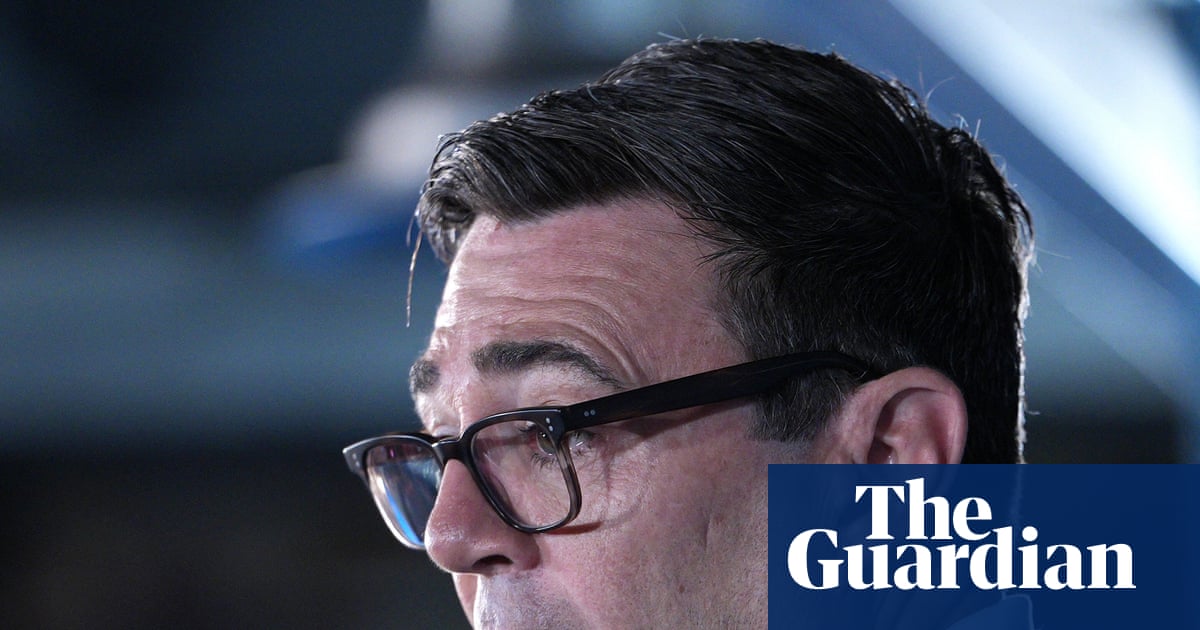
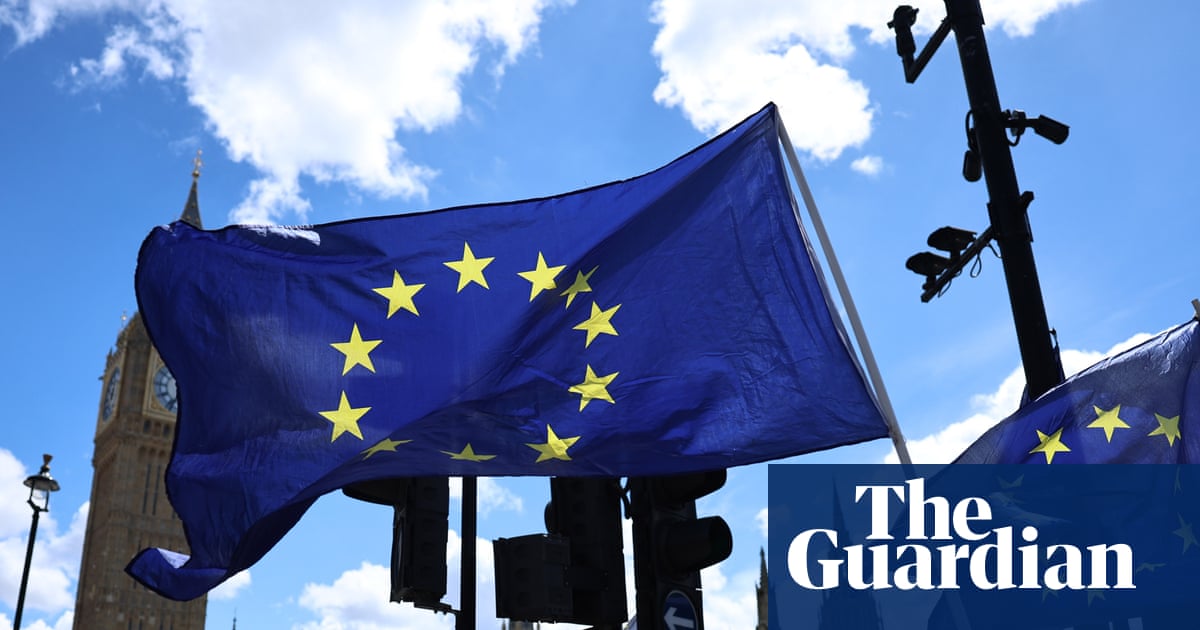
Andy Burnham has said it is clear Russia interfered in the Brexit referendum, after seeking answers on the Kremlin’s involvement in the 2016 vote when he entered Downing Street.
asserted
he → say → Street
Burnham said he had asked whether Moscow had attempted to influence the referendum and received a confirmation that it had.
asserted
it → say → confirmation
Speaking on the podcast The Rest is Politics, Burnham said: “I asked the question coming to Downing Street: well, was there interference in the 2016 referendum from Russia?
asserted
I → speak → Russia
I’ve had the clear answer that yes, there was.”
asserted
I → have → answer
His comments mark a significant departure from the position taken by past Conservative governments, which insisted there was no evidence of successful interference by Russia in the hugely consequential referendum vote.
asserted
which → mark → vote
Burnham did not disclose who had given him the assessment, what evidence it was based on or whether any interference had affected the result of the vote.
asserted
interference → disclose → vote
A report by parliament’s intelligence and security committee in 2020 criticised the government and intelligence agencies for failing to properly investigate potential Russian interference in the referendum.
asserted
report → criticise → referendum
The cross-party committee found that ministers had failed to seek a full assessment of Moscow’s activities, despite evidence of attempts to influence British politics through Russian state-backed media outlets and social media accounts.
asserted
ministers → find → outlets
It said the government had not provided any post-referendum assessment of Russian attempts at interference, in contrast to the investigation undertaken in the US after the 2016 presidential election.
asserted
government → say → election
The committee also said that whether a hostile state had sought to influence a democratic process was important regardless of whether those efforts had succeeded.
asserted
efforts → say → process
Burnham said Britain needed to be more open about attempts by hostile states to interfere in its politics, particularly as European leaders grapple with the rise of the far right.
asserted
leaders → say → right
Last month the prime minister attacked Russian information warfare during a speech to the UN general assembly, saying there was evidence Moscow had tried to interfere with the 2019 general election.
asserted
Moscow → attack → election
Burnham told the podcast: “These things are important now to put clearly on the record and I believe help voters in Germany and France understand that some of this politics is instigated via our enemies, namely Russia.
asserted
some → tell → enemies
“I think we’ve been too much on the back foot on that, actually, and we haven’t informed people sufficiently about the extent to which people are seeking to disrupt the political process from overseas.”
asserted
people → think → process
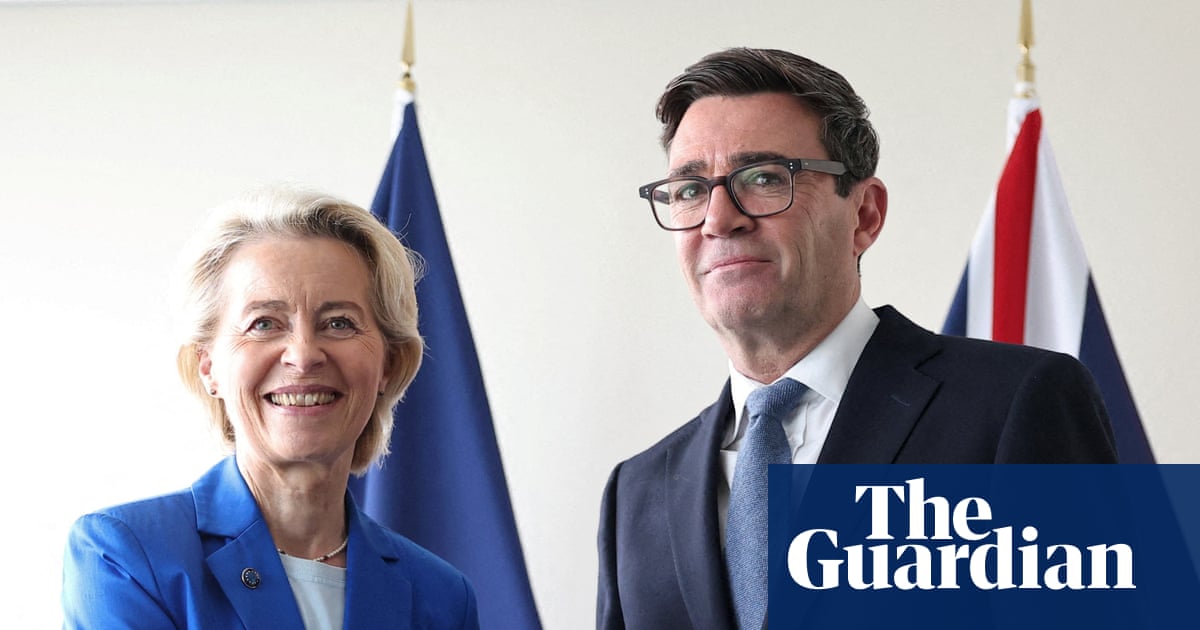
He said he had discussed the threat posed by the far-right Alternative für Deutschland (AfD) with the German chancellor, Friedrich Merz, on a visit to Berlin this week.
asserted
he → say → Berlin
Burnham said Merz raised concerns about the party’s links to Russia.
asserted
Merz → say → Russia
“One thing I did say to Chancellor Merz … is we need to support you in taking on the threat that you face and particularly the type of politics that you’re facing,” he said.
asserted
he → say → that
“You know, he was saying to me that the AfD are clearly linked to Russia – funded, I believe.”
asserted
I → know → Russia
He added: “There is certainly misinformation, disinformation, that is emanating from Russia into German politics.”
asserted
that → add → politics
Last month Burnham opened the door to Britain eventually rejoining the EU, saying his government would examine all options for the country’s future relationship with Brussels.
asserted
government → open → Brussels
 The Aporia