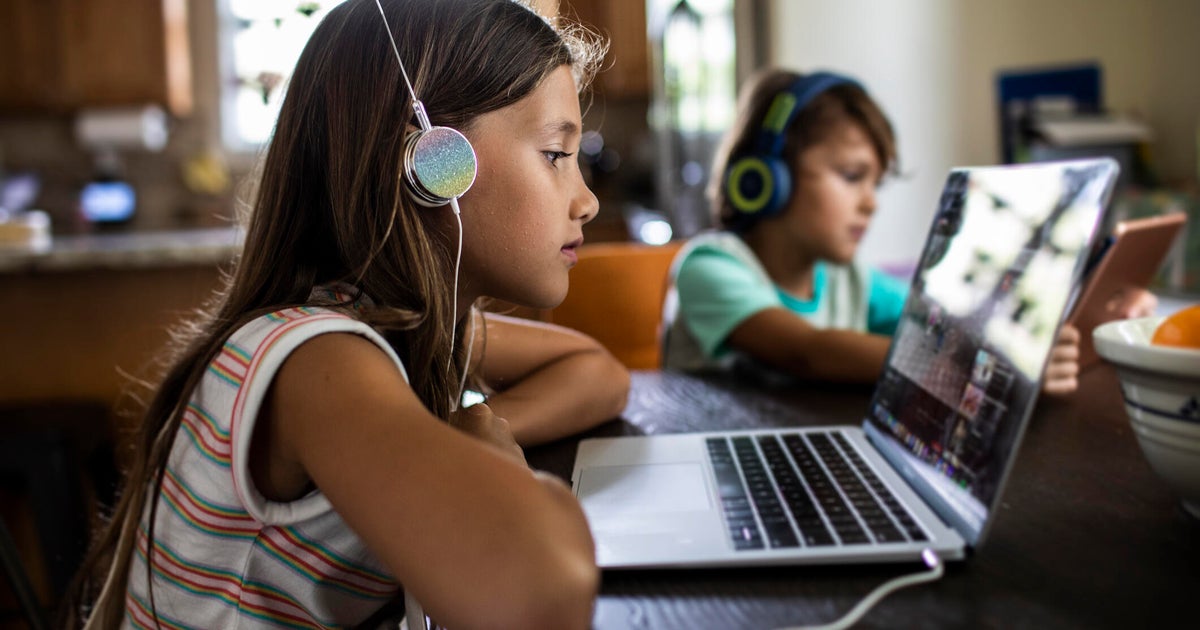
When it comes to their kids, many parents don’t trust tech companies any more.
asserted
parents → come → companies
Social media companies have spent the better part of the last decade arguing that their platforms are safe for teens, but quite a few parents aren’t convinced.
asserted
parents → spend → teens
They, along with a growing number of regulators, have increasingly accused companies like Meta of designing products that are addictive to younger users.
asserted
that → grow → users
AI firm OpenAI, thrust into the public consciousness much more recently than Meta, has had to defend against dozens of lawsuits alleging chatbot ChatGPT lacks safety guardrails.
asserted
ChatGPT → thrust → guardrails
Now, workers at the world’s leading AI firms have warned that their employers prioritize competing with each other over building their models safely.
asserted
employers → lead → models
Both the AI and social media companies have denied the claims, and introduced additional safety measures such as parent-linked teen accounts.
uncertain
companies → deny → accounts
Still, for many parents, lawsuits and public accusations have been enough to change their minds about whether to allow their children to use both social media and AI.
asserted
children → change → media
The Guardian asked parents whether their perspective on their children’s use of social media or AI has changed in the last year and whether they plan to let their kids use either technology.
asserted
kids → ask → technology
The vast majority of those who responded said they no longer wanted their children to use social media, and many of them said they also try to steer their children away from AI.
asserted
they → respond → AI
“So why would I ever turn them over to a bunch of tech companies whose sole motivation is to profit from their time and harvest their data?”
The tech worker who feels torn between two worlds
I work in tech, specifically in the AI sphere, and honestly I worry about the future that’s going to be there for my kids.
asserted
that → turn → kids
Not in a doomsayer way, but, being realistic, the world is going to be a very different place when they grow up.
asserted
they → go → way
I’m torn between two worlds – the world I work in, and that supports their upbringing, and the knowledge that the very work is destroying their future – whether that be on an economic or environmental level.
asserted
that → tear → level
Do I feel the need to encourage them to use AI?
asserted
I → feel → AI
Do I want to?
asserted
I → want → ?
They can use WhatsApp to connect and build real-world relationships.
asserted
They → use → relationships
But otherwise no good can come of it.
asserted
good → come → it
– Andy, 43, London, UK
The eco-conscious mom who is wary of both social media and AI
The recent major lawsuits against Meta, along with decisions by non-US governments to limit social media use for under-16s, have enabled me to have meaningful conversations with my daughter about the real risks of social media use for her age group.
asserted
lawsuits → limit → group
She still asks to use these products (they aren’t limited in the US), but I remind her of the decisions we’ve made, together, to wait until she’s older before she can use them.
asserted
she → ask → them
My 11--year-old is not permitted to use social media on her own.
asserted
old → permit → own
As for AI chatbots, she may occasionally use them if they show up on a Google search when we are looking up a topic, but I encourage her to check the validity of anything AI-generated.
uncertain
I → use → anything
She’s very aware of AI hallucinations, and hates AI images.
asserted
She → ’ → images
She will actually call me or her older sister out if we accidentally share an AI-generated image.
asserted
we → call → image
Our family is very eco-conscious – we’re aware that AI uses massive amounts of water and energy, so we try to avoid AI apps as a family, if there are other options at our disposal to obtain information.
asserted
we → ’re → information
– Kate, 47, Philadelphia, Pennsylvania
The parent who works in AI and is worried about how their kids are exposed to technology in school
My perspective has become significantly more cautious.
asserted
perspective → work → school
As a parent and someone who works in AI, I’m increasingly concerned about the gap between the way these technologies are marketed and the risks they can pose to children.
asserted
they → work → children
I want my daughter to grow up understanding and using technology, including AI, but I don’t think children should be treated as unwitting test subjects for products whose effects on their learning, development and wellbeing are not yet fully understood.
asserted
effects → want → learning
What’s particularly concerning is how early these tools are being introduced through schools, often with little meaningful parental involvement or choice.
asserted
tools → ’ → involvement
I’m increasingly questioning whether companies are prioritising children’s interests or engagement and profit, and whether schools and local authorities are doing enough to scrutinise the technology they’re putting in front of children.
asserted
they → question → children
I don’t think children are being adequately educated about how to use these tools safely or critically.
asserted
children → think → tools
But I also think the responsibility shouldn’t fall solely on parents.
asserted
responsibility → think → parents
Schools and local authorities need to ensure that children are being taught digital literacy and critical thinking alongside the introduction of these tools.
asserted
children → need → tools
– Anonymous, Scottish borders
The frustrated parent who feels government isn’t doing enough
It’s made me really angry to be honest.
asserted
me → feel → enough
I was already keeping my kids away from the internet as much as I could but the lack of action from government has left me feeling really frustrated and determined to be stricter with what my kids will be able to use and when.
uncertain
kids → keep → what
I’m also funnelling some energy into campaigning on this issue.
asserted
I → funnel → issue
[They] absolutely [cannot use] social media and never chatbots.
asserted
They → use → media
Why would I give them something that could make them mentally ill and/or lead to cognitive decline?
uncertain
them → give → decline
They should be educated on the danger and told to stay away, not told to “use them safely”.
asserted
They → educate → them
Is there a safe way for them to smoke??
asserted
them → smoke → ?
I see in my 12-year-old son the obsessive grip that social media has on him.
asserted
media → see → him
I include videogaming here, as it comes with YouTube influencers, and interaction with others on Discord servers.
asserted
it → include → servers
…and 15 more, not listed.
 The Aporia