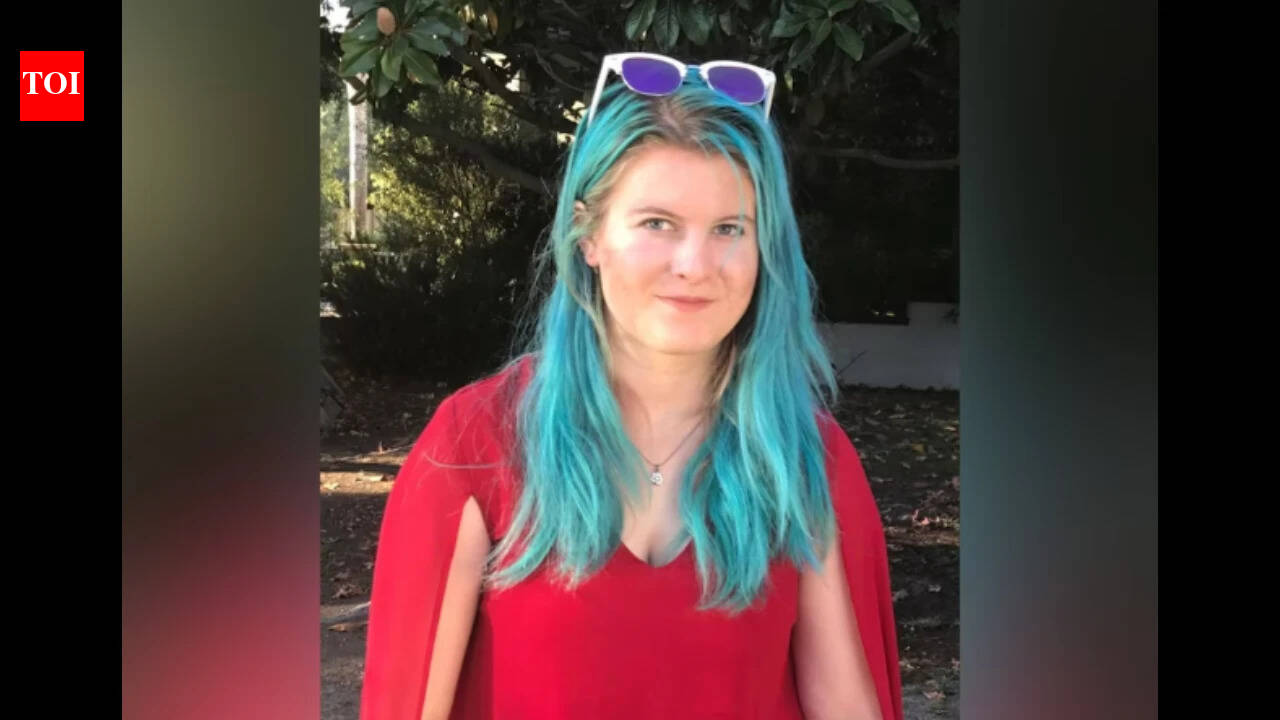
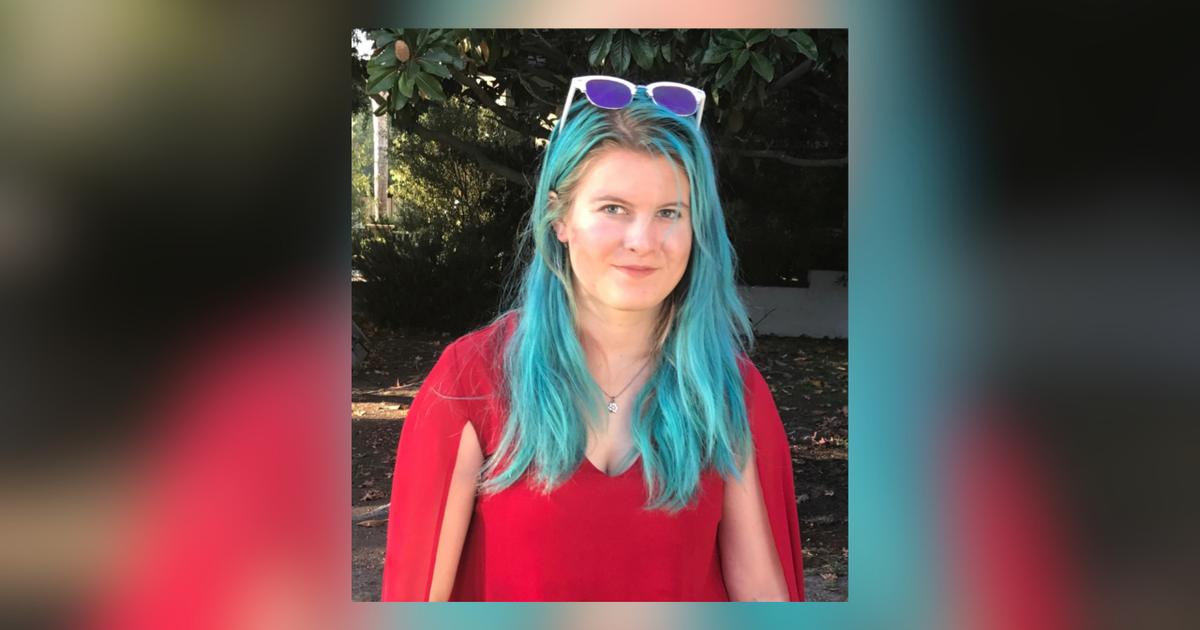
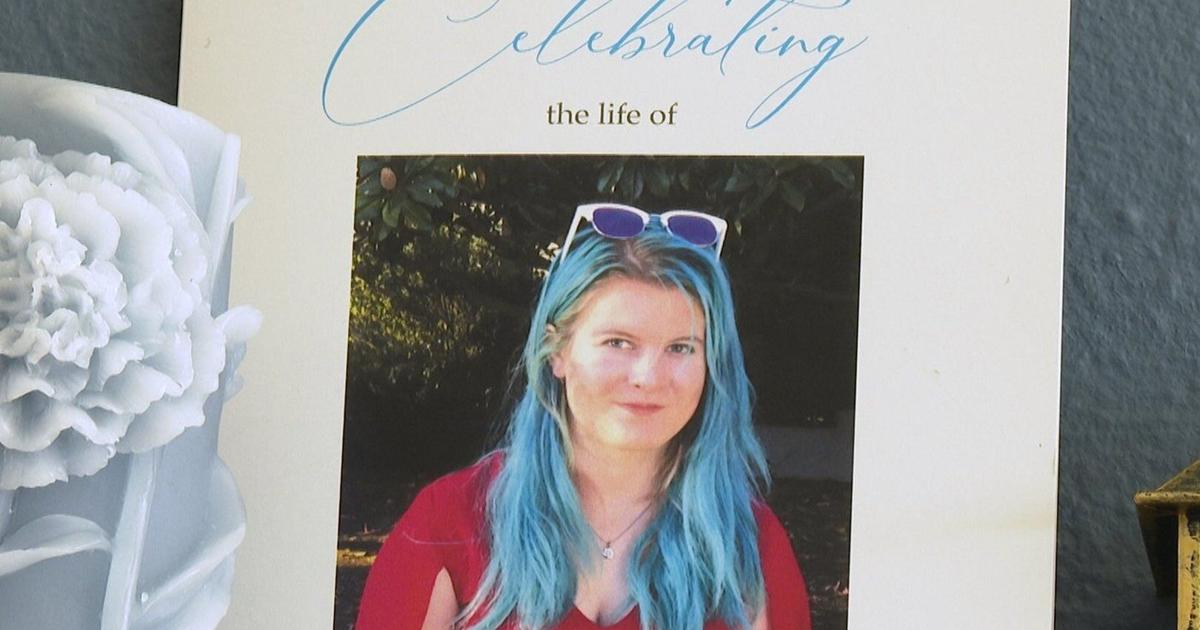
Uber has been ordered to pay $40 million to the parents of Emily Normandin-Parker, a 23-year-old woman who was killed after being ejected by her Uber driver on a California freeway. In August 2023, during an argument over a cleaning fee, Normandin-Parker exited the car and was struck by another vehicle. Despite arguing that it is merely a platform connecting drivers and riders, arbitrator Richard A Stone ruled Uber vicariously liable for the incident due to its role as a common carrier.
Written locally by qwen2.5:14b on 2026-09-19,
using this article's own text rather than the other coverage of the
same event (that is the story summary below).
Story summary
On August 12, 2023, Emily Normandin-Parker, a 23-year-old UCLA graduate, was killed after her Uber driver left her and a friend on the side of State Route 73 in Orange County, California. The women had vomited inside the car, prompting the driver to kick them out at an unsafe location near an exit ramp. Emily was subsequently hit by another vehicle while waiting for help.
In a five-day arbitration hearing, Uber argued that the driver was an independent contractor and not their responsibility under California law. However, arbitrator Richard A. Stone ruled against Uber, ordering it to pay $40 million to Emily’s parents, Carol Normandin and Ken Parker, with $20 million going to each parent. The company has contested the decision.
The ruling aims to highlight safety issues in ride-hailing services and may impact how companies like Uber are held accountable for the actions of their drivers.
Written for “Uber Wrongful Death Settlement” on 2026-10-05,
grounded in this article and the 8 other(s) covering the same event.
Uber was ordered to pay $40m to the parents of a 23-year-old woman who was killed after a driver kicked her and a friend out of his car by the side of a California freeway, according to newly public arbitration documents.
uncertain
driver → order → documents
An arbitrator, retired Calfornia judge Richard A Stone, found that the ride-share company was “vicariously liable” for the driver’s negligence.
asserted
company → find → negligence
In August 2023, two women, Emily Normandin-Parker and Luna Moore, hailed an Uber after a night out in Orange county.
asserted
women → hail → county
The driver pulled over on the 73 freeway after Normandin-Parker vomited in the car, attorneys said.
asserted
attorneys → pull → car
While Moore and the driver argued over a cleaning fee, Normandin-Parker got out of the car, wandered into oncoming traffic and was struck by a car.
Normandin-Parker’s parents accused the driver and Uber of negligence.
asserted
parents → argue → negligence
The company argued it was just “a technology company that provides a software platform connecting riders with independent third-party drivers who perform the transportation”.
asserted
who → argue → transportation
In California, under Prop 22, Uber and Lyft drivers were categorized as independent contractors – not employees of the companies – a designation the company has used to argue it is not liable for the actions of its drivers.
asserted
it → categorize → drivers
However, the arbitrator rejected Uber’s argument that it should be treated as a platform that merely connects drivers and riders.
asserted
that → reject → drivers
In arbitration documents released by the family’s attorney on Thursday, Stone wrote that Uber should be treated as a common carrier – which is any entity or individual that transports people or goods – and thus should be held “vicariously liable” for the incident.
asserted
that → release → incident
Vicarious liability is when one party is held liable for the negligence or actions of another party that it has a relationship with.
asserted
it → hold → relationship
“The fact that Uber uses a digital interface rather than street hails does not change the fundamental nature of the service being offered,” the arbitration documents read.
asserted
documents → use → service
Stone further asserted Prop 22 does “not immunize Uber from vicarious liability for the torts of its drivers stands”.
asserted
Prop → assert → stands
Uber said that while the company respects the arbitration process, the arbitrator “was wrong in holding Uber legally responsible for the tragic events of that night”.
asserted
Uber → say → night
“No family should have to suffer the loss of a child, and our thoughts continue to be with the Normandin-Parker family,” said Uber spokesperson Gabriela Condarco-Quesada.
asserted
Quesada → have → family
“We have continued to strengthen our approach to safety over the years, through new technology, policies and safeguards informed by safety experts, including additional guidance to drivers about avoiding drop-offs in unsafe locations.”
asserted
We → continue → locations
The family further asserted that Uber at one point proposed a settlement that included a confidentiality agreement.
asserted
that → assert → agreement
As part of that agreement, the family said they would have been charged a $10m penalty any time they spoke about the accident and Uber’s connection to it.
asserted
they → say → it
The family said they rejected the settlement and Uber said it “ultimately did not pursue confidentiality in this case”.
asserted
it → say → case
The ruling to hold Uber liable for the negligence or actions of its drivers is not binding and applies only to this case.
asserted
Uber → hold → case
However, the case is part of the company’s battle to be treated as merely an online marketplace for rides and in doing so distance themselves from the actions of their drivers by treating them as contractors rather than employees.
asserted
case → treat → employees
 The Aporia