That is 0 articles you have read today.
The Aporia is free and carries no advertising, so readers are the only
thing paying for it. If you are getting this much out of it, a small
donation is what keeps it independent.
Daily limit reached
You have read 0 articles today.
That is more than the 15 a day The Aporia gives away,
and well past what it can carry on nothing. Your allowance resets at
midnight.
There is no advertising here and nothing about you is sold, so readers
are the only thing paying for it. If the site is worth this much of
your day, it is worth a few dollars.
Everything else stays open: the
maps, the
directory and
search do
not count against this, and neither does re-opening something you have
already read today.
On October 12, Iran's foreign ministry spokesperson Esmaeil Baghaei announced that Iran will respond to a US proposal regarding the reopening of the Strait of Hormuz after reviewing it. The review process involves intermediaries like Qatar and Pakistan who have been mediating between the US and Iran since the conflict began in February. Iran emphasizes that negotiations should initially focus on securing the Strait of Hormuz, which carries approximately one-fifth of global oil trade, rather than immediately addressing Iran's nuclear program.
Written locally by qwen2.5:14b on 2026-10-12,
using this article's own text rather than the other coverage of the
same event (that is the story summary below).
Story summary
Iran is reviewing a US response regarding the reopening of the Strait of Hormuz, and will reply to the US through intermediaries after completing its review, according to Esmaeil Baghaei, spokesperson for Iran’s foreign ministry. The process has stalled since September, with Iran's security chief stating that Washington's response did not adequately address Tehran’s seven conditions for reopening the strait and resuming negotiations. Key disagreements include the US insistence on addressing Iran's nuclear program from the start, whereas Iran wants to focus initially on reopening the strategic waterway. The exchange of messages continues via intermediaries such as Qatar and Pakistan, which have been involved in efforts to mediate between the two nations since February 28 when strikes initiated by the US and Israel on Iran began.
Written for “Iran Us Hormuz Talks” on 2026-10-12,
grounded in this article and the 0 other(s) covering the same event.
Why this leaning score
This article does not take a side on a contested political
question, so it has no leaning score. That is an
answer rather than a gap: a match report or a rescue can be warmly
or critically written without being left or right, and scoring it
anyway is how approval of a subject gets recorded as a political
position.
No political leaning scored for article 73710 · logged 2026-10-12
Iran says it will reply to US response on Hormuz proposal once review over
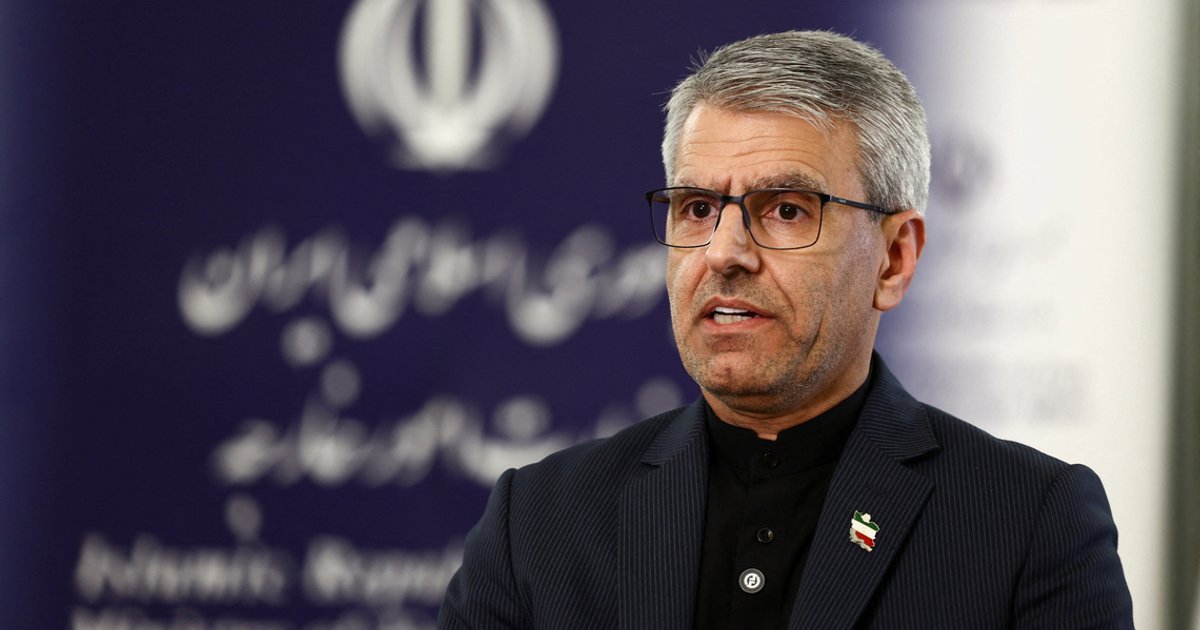
DUBAI, Oct 12 - Iran is still reviewing a US response to its proposal regarding the reopening of the Strait of Hormuz and will reply to Washington via intermediaries when the review is over, foreign ministry spokesperson Esmaeil Baghaei said on Monday.
asserted
Baghaei → say → Monday
Baghaei also told a press conference that Iran continues to exchange messages via intermediaries, without elaborating.
asserted
Iran → tell → intermediaries
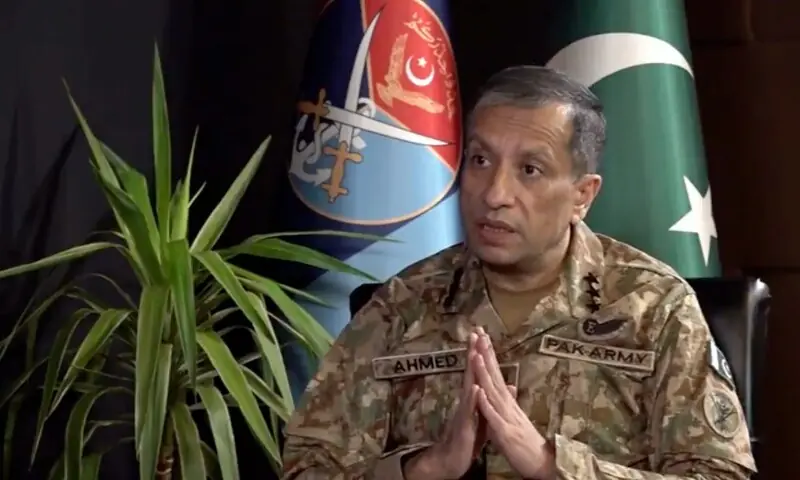
Qatar and Pakistan, among others, have acted as mediators in efforts to end the war that began with US and Israeli strikes on Iran on February 28.
asserted
that → act → February
After a June interim ceasefire crumbled and on-off strikes resumed, Iran presented its proposal in mid-September and later confirmed receipt of a US response.
asserted
Iran → crumble → response
But the process has since stalled, with Iran’s security chief saying on Sunday that Washington’s response did not sufficiently address Tehran’s seven conditions for reopening the Strait of Hormuz and returning to negotiations.
asserted
response → stall → negotiations
A central point of disagreement has been Washington’s insistence on addressing Iran's nuclear programme from the outset.
asserted
point → address → outset
Tehran says negotiations should initially focus on reopening the Strait of Hormuz, which before the war carried about a fifth of the global trade in oil and liquefied natural gas (LNG), and restoring security in the waterway.
asserted
which → say → waterway
Regarding the escalating conflict between Saudi Arabia and Yemen's Houthis, an Iranian ally, Baghaei reiterated Tehran's openness to help resolve the crisis through dialogue.
asserted
Baghaei → regard → dialogue
"The issue of Yemen should have been resolved a long time ago with the (UN) roadmap and we had said we would support any agreement reached by Yemenis and Saudis
asserted
we → resolve → Yemenis
[...] Our request is that this situation be resolved through dialogue."
asserted
situation → resolve → dialogue
 The Aporia