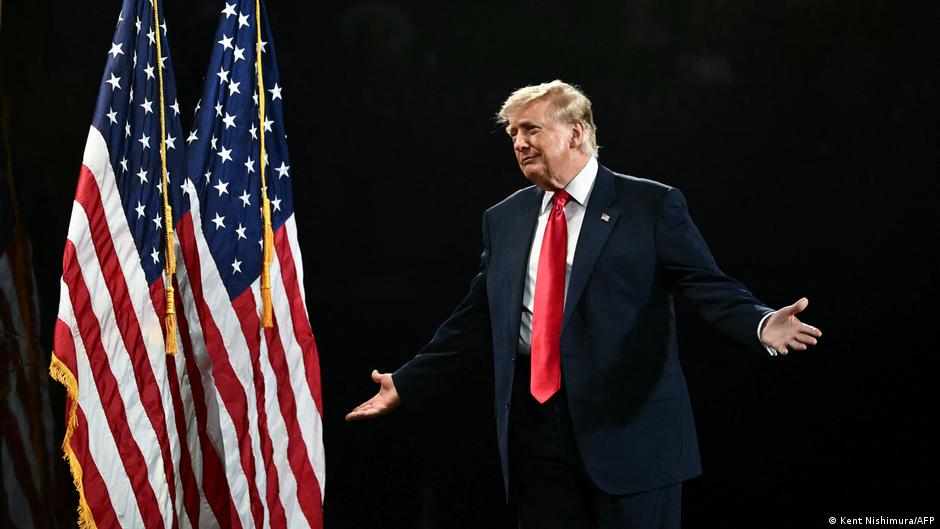
A federal judge ordered President Donald Trump to stop all remaining television advertisements funded with $20 million in taxpayer money. The ruling came after a legal challenge by a coalition including Common Cause, arguing that the broadcasts violated laws prohibiting the use of congressionally appropriated funds for publicity or propaganda. Judge Jennifer L. Rochon issued a two-week temporary restraining order, directing the administration to cancel any scheduled commercials and not enter into new agreements for similar advertisements during this period.
Written locally by qwen2.5:14b on 2026-10-12,
using this article's own text rather than the other coverage of the
same event (that is the story summary below).
Story summary
On October 11, U.S. District Judge Jennifer Rochon ordered the Trump administration to halt all television advertisements funded by taxpayers immediately, despite the administration's claim that the ad campaign was already ending. The ads, which began airing in late September and cost approximately $20 million, were challenged as political propaganda rather than public service announcements. The lawsuit was brought by Common Cause, a nonpartisan watchdog group, along with other plaintiffs including Robert Hunter, a Democratic candidate for an Alabama state seat, and a labor union from New York. Judge Rochon ruled that the ads violated restrictions on using taxpayer funds for publicity and propaganda, noting they were likely to influence the November 3 midterm elections in favor of Republican candidates.
Written for “Trump Ads Taxpayer Fund Lawsuit” on 2026-10-12,
grounded in this article and the 10 other(s) covering the same event.
A federal judge issued an order Sunday night requiring President Donald Trump to halt all remaining television advertisements funded with millions of dollars in taxpayer money, despite administration statements that the broadcast campaign was already ending.
asserted
campaign → issue → statements
U.S. District Judge Jennifer L. Rochon ruled in New York for a coalition, including the nonpartisan watchdog group Common Cause, that challenged the broadcasts as an unlawful expenditure of public funds.
asserted
that → rule → funds
Under the temporary restraining order, the administration was directed to cancel any remaining commercials, including those scheduled to air Sunday evening.
asserted
administration → direct → those
"Defendants shall not enter into, renew, or expand any agreement authorizing the development, creation, dissemination, placement, or airing of the challenged advertisements" during the two-week duration of her order, the judge said.
asserted
judge → enter → order
Asked for comment, the White House referred to an Oct. 5 social media post from Trump in which he defended the taxpayer-funded ads as "rather standard" while stating, amid public backlash, that he would cover them using political fundraising.
asserted
he → ask → fundraising
In a court submission late Saturday, the Justice Department argued that a temporary restraining order was unnecessary because "the alleged offending conduct will end tomorrow."
asserted
conduct → argue → submission
The Department of Homeland Security allocated $20 million in public funds for the commercials.
asserted
Department → allocate → commercials
Legal experts have said the expenditure violated a federal statute prohibiting congressionally appropriated funds from being used for "publicity or propaganda," along with potential breaches of other laws.
asserted
expenditure → say → laws
In a court declaration submitted Saturday, senior DHS official Holly Mehringer wrote that the funds originated from congressional allocations that are "available for, among other things, ‘commemorating efforts and events related to border security.’
asserted
that → submit → security
"
Responding to the ruling, Democracy Forward, the legal non-profit representing the plaintiffs, welcomed the swift judicial action.
asserted
Forward → respond → action
"We are pleased the court acted swiftly to prevent more taxpayer dollars from being used for such blatantly unlawful political propaganda," the plaintiffs said in a statement.
asserted
plaintiffs → act → statement
"There is no legal justification — and no precedent — for the president to use the machinery of the government and funds set aside by Congress for other uses to influence electoral outcomes that further his own agenda.
asserted
that → be → agenda
Although the White House has characterized the spots as public service announcements similar to those used by previous administrations to promote policy, the recent commercials differ from traditional public announcements because they do not aim to help citizens access specific government programs.
asserted
citizens → characterize → programs
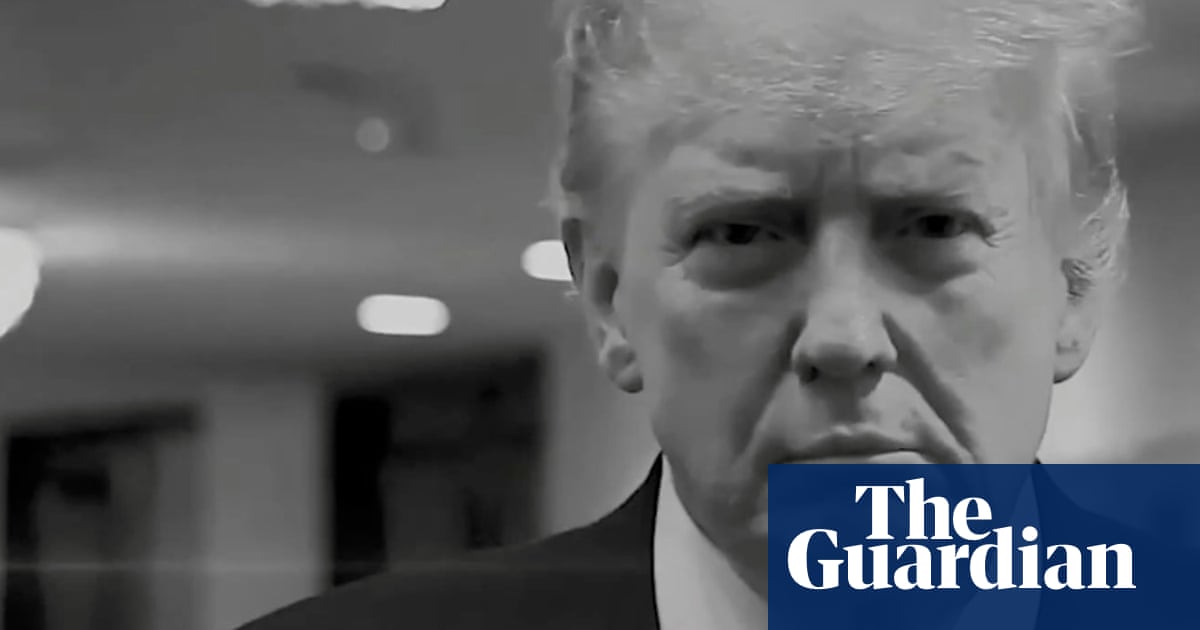
Instead, the commercial series, which began airing in late September, focuses heavily on Trump and reflects his political messaging ahead of the midterms.
asserted
which → begin → midterms
Features include a clip of Trump discussing the threat of communism, footage recycled from his previous presidential campaign, and a fifth ad released Tuesday highlighting the Trump administration’s capture of Venezuelan leader Nicolás Maduro.
asserted
Trump → include → Maduro
The use of government funding for the campaign drew substantial criticism, including from within the Republican Party.
asserted
use → draw → Party
"It shouldn’t be paid for with taxpayer dollars," Senate Majority Leader John Thune, R-S.D., told reporters.
asserted
Thune → pay → reporters
Separately, the Democratic National Committee has filed its own lawsuit against the Republican administration over the commercial expenditures.
asserted
Committee → file → expenditures
After the backlash, Trump said he would fund the commercials through a campaign account.
asserted
he → say → account
However, a White House official confirmed there are no immediate plans to reimburse the government for the funds already spent.
asserted
official → confirm → funds
 The Aporia