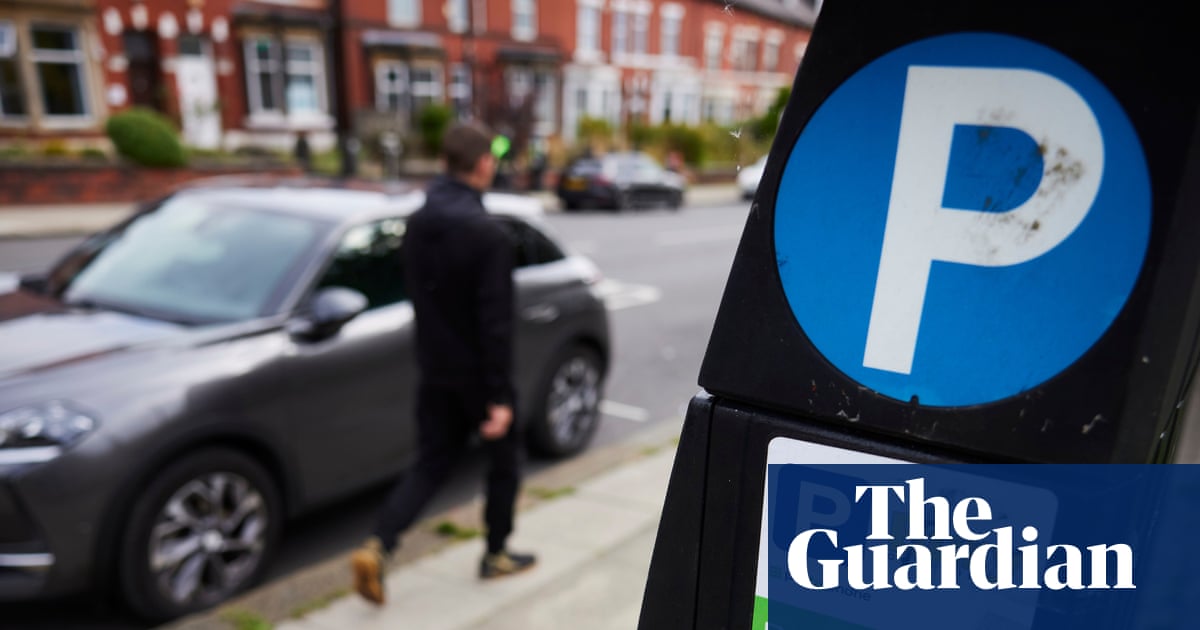
Drivers are unwittingly paying up to 40% more to park as more councils switch to app-only payments and force customers to pick up the tab.
asserted
councils → pay → tab
Many councils across England have removed pay and display machines and replaced them with app payments, including a number in London.
asserted
councils → remove → London
Most local authorities encourage drivers to pay by app to beat queues, while apps are often the only way to pay when ticket machines are out of order.
asserted
machines → encourage → order
However, many car park signs fail to mention that app payments may incur an additional service fee.
uncertain
payments → fail → fee
Parking apps save councils money by removing the cost of installing and maintaining ticket machines, but while a few pay the app providers directly for their services, many leave drivers to foot some or all of the bill through “convenience fees” or “service fees”.
asserted
many → save → fees
These typically range from 10p to 30p, but they are not included in the advertised parking tariffs in car parks, even when an app is the only payment option, and they are often not strongly flagged within the apps.
asserted
they → range → apps
Of the parking apps tested by the Guardian, none clearly displayed the service fee until the payment stage, and even then, some required customers to click on an information symbol to find out why the price had increased.
asserted
price → test → symbol
These surcharges can push up the cost of an hour’s parking slot dramatically.
asserted
surcharges → push → slot
In Harrogate, North Yorkshire, drivers who park in the town centre and pay by app are hit with a mandatory 30p service charge – a 38% rise on an 80p tariff.
asserted
who → park → tariff
Meanwhile, the price of two hours at the council’s Christleton Road car park in Chester soars by 40% when the 20p convenience fee is added to the 50p tariff.
asserted
fee → soar → tariff
Extra fees are added if drivers agree to receive booking confirmation and expiry alerts.
asserted
drivers → add → confirmation
According to the Advertising Standards Authority, quoted prices must include all mandatory fees for a contract to be valid.
uncertain
contract → accord → fees
Drivers enter a contract with a council as soon as they accept the car park’s terms and conditions and park their vehicle.
asserted
they → enter → vehicle
However, few realise that they enter a separate contract with the app provider if they choose to pay online.
asserted
they → realise → provider
App fees, therefore, may not legally have to be displayed on parking council signs.
uncertain
fees → have → signs
Because service fees are agreed between local authorities and individual app providers, and since they can vary depending on location, drivers have no way of predicting what they will be charged.
asserted
they → agree → what
The Guardian tested the apps by booking an hour’s parking at car parks around the country.
asserted
Guardian → test → country
RingGo’s convenience fee added an extra 20p to the £2 tariff at Kings Yard in Lancaster.
asserted
fee → add → Lancaster
Drivers have to click on a small “see prices” link above the prominent “Next” button when they have chosen their location to see the charge.
asserted
they → have → charge
It is mentioned again on the payment page, but only when the “i” symbol beside the final price is clicked.
asserted
symbol → mention → price
PayByPhone charged a 15p service fee on top of the £5.10 parking tariff at Dudley Street car park in Birmingham.
asserted
PayByPhone → charge → Birmingham
The existence of the charge was not explained until the payment page and was hidden behind the Apple Pay button.
asserted
existence → explain → button
Customers have to scroll down to the end of the page to see it.
asserted
Customers → have → it
Customers using JustPark have to click on a tiny pale grey “i” symbol beside the final price at the end of the booking process to discover its transaction fee.
asserted
Customers → use → fee
This added 12p to a £3.50 parking charge at Charmouth Road car park in Lyme Regis, Dorset.
asserted
This → add → Regis
MiPermit listed its 10p convenience fee above the final price at the end of the booking.
asserted
MiPermit → list → booking
This was levied on top of the £1.90 parking charge in Littlehampton, West Sussex.
asserted
This → levy → Littlehampton
RingGo said the fee funded the service it provided and that it was up to the councils it worked with whether or not to display it on car park signs.
asserted
it → say → signs
“In line with existing regulations, wherever pricing information is shown in the RingGo app, we also display any additional fees,” said Adam Dolphin at its parent company Arrive.
asserted
Dolphin → show → company
JustPark said mandatory fees were included in the price quoted during payment.
asserted
fees → say → payment
“Nothing is added at the payment stage,” said a spokesperson.
asserted
spokesperson → add → stage
“The ‘i’ icon simply shows how that all-in price is made up, for drivers who want the detail.”
asserted
who → show → detail
PayByPhone said its pricing was transparent.
asserted
pricing → say → ?
“The pricing elements related to parking, SMS options and service fees are presented before payment confirmation,” said a spokesperson.
asserted
spokesperson → relate → confirmation
MiPermit was contacted for a comment.
asserted
MiPermit → contact → comment
The Local Government Association, which represents councils, said it was up to app providers to ensure their fees were clear and upfront.
asserted
fees → represent → providers
The Department for Transport said parking tariffs and surcharges were a matter for councils.
asserted
tariffs → say → councils
“Drivers should be able to see clearly what they will be charged before they pay for parking,” a spokesperson said.
asserted
spokesperson → see → parking
A spokesperson for the AA said: “When a driver walks to the signs in the car park and sees £1 per hour, that’s what they should be charged, not £1 plus a 25p service charge.”
asserted
they → say → charge
 The Aporia