That is 0 articles you have read today.
The Aporia is free and carries no advertising, so readers are the only
thing paying for it. If you are getting this much out of it, a small
donation is what keeps it independent.
Daily limit reached
You have read 0 articles today.
That is more than the 15 a day The Aporia gives away,
and well past what it can carry on nothing. Your allowance resets at
midnight.
There is no advertising here and nothing about you is sold, so readers
are the only thing paying for it. If the site is worth this much of
your day, it is worth a few dollars.
Everything else stays open: the
maps, the
directory and
search do
not count against this, and neither does re-opening something you have
already read today.
The Pakistani federal government imposed governor’s rule and emergency on the Khyber Pakhtunkhwa (KP) province after dismissing its elected government on Sunday, following threats made by the president earlier. This move, while not unprecedented in Pakistan's history, has been criticized as undemocratic and potentially counterproductive, particularly given past negative consequences of similar actions in Balochistan in 1973. The article argues that there are better targeted measures available under Article 232 to address security concerns without dismantling the elected provincial government entirely.
Written locally by qwen2.5:14b on 2026-10-12,
using this article's own text rather than the other coverage of the
same event (that is the story summary below).
Story summary
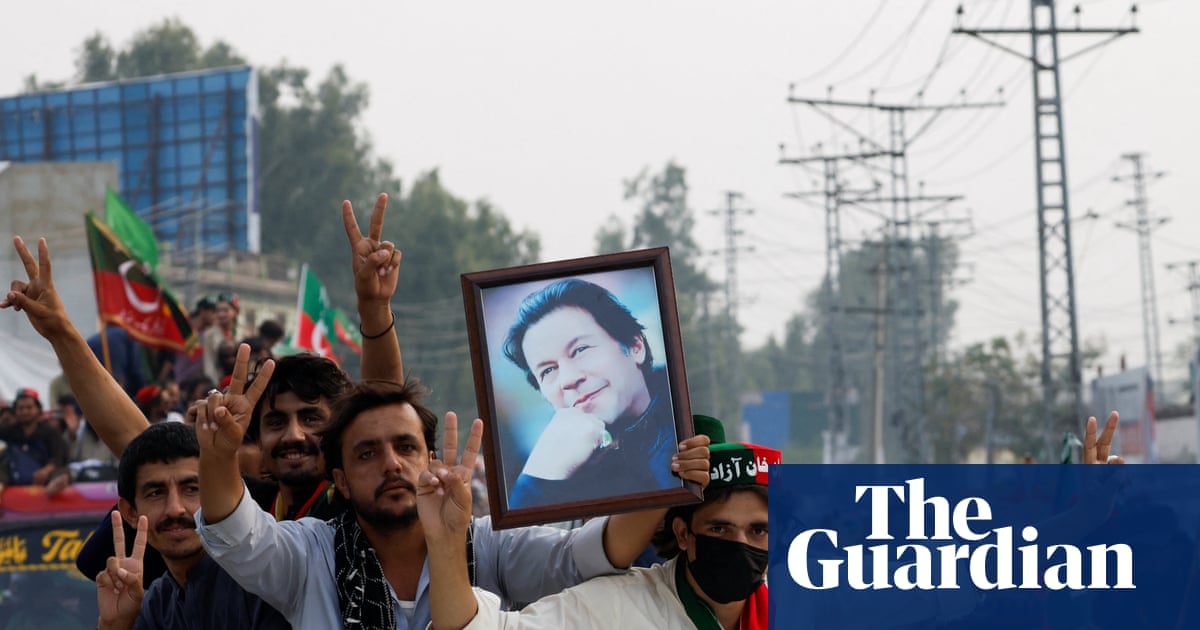
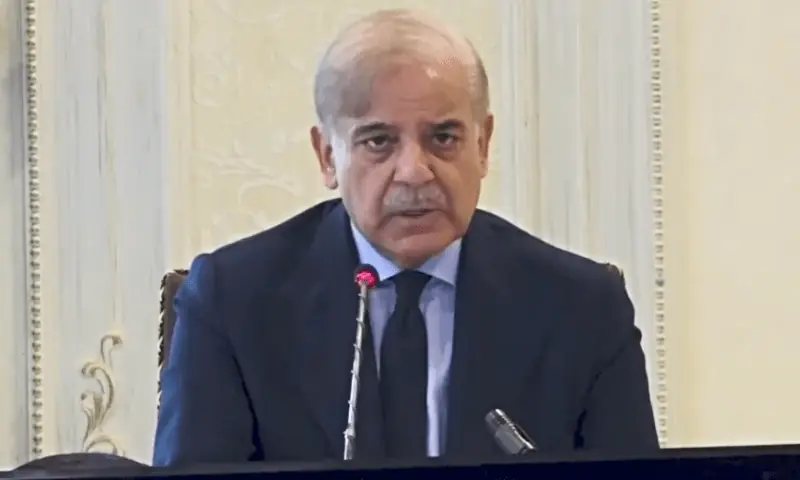
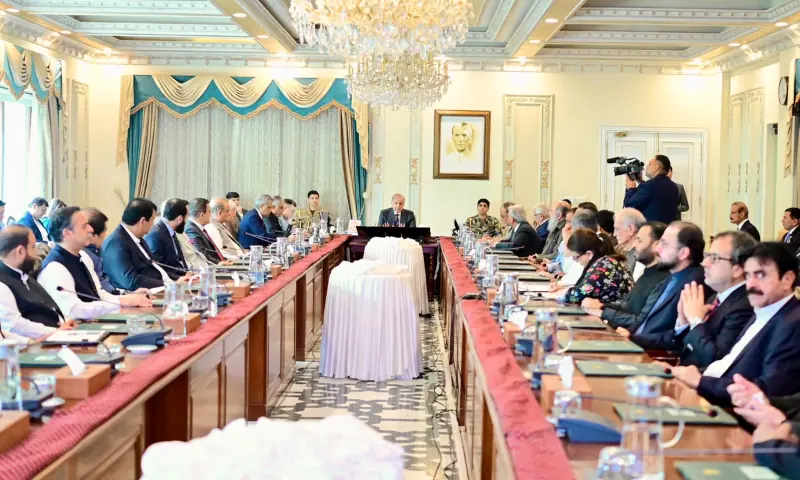
On October 11, 2026, Pakistan's federal government imposed an emergency in Khyber Pakhtunkhwa (KP), effectively ending the provincial government led by jailed former prime minister Imran Khan's party. The decision was made after a cabinet meeting chaired by Prime Minister Shehbaz Sharif, who cited KP’s “deliberate disengagement from the fight against terrorism” and deteriorating law and order as reasons for the move. President Asif Ali Zardari approved the federal government’s recommendation under Articles 232 and 234 of Pakistan's Constitution, which allow the federal government to assume executive and legislative powers in a province during security crises or constitutional breakdowns. The chief minister, provincial ministers, advisers, special assistants, and advocate general were immediately dismissed following President Zardari’s proclamation. This action comes amid an ongoing protest march initiated by KP Chief Minister Sohail Afridi for Imran Khan's release and medical access, which began in Lakki Marwat on October 4. The federal government justified the emergency measures as necessary to stabilize Pakistan’s economy amidst tensions between the central and provincial governments.
Written for “Emergency Imposed In KP” on 2026-10-12,
grounded in this article and the 24 other(s) covering the same event.
Why this leaning score
The article's own words the score was based on. Each is quoted
verbatim and was checked against the article text before being
stored, so you can find it in the original.
-
There is no political justification for governor’s rule.
left criticizes the imposition of governor's rule as undemocratic
-
To deprive an entire province of its elected government is not only undemocratic; it can also be severely counterproductive, as history shows.
left describes the action as undemocratic and potentially harmful
-
The PTI government may have faltered on several fronts, but in a democratic society, those failings are supposed to be addressed through the electoral process, not through executive fiat.
left advocates for addressing political issues through elections rather than executive action
-
Under Article 234, the proclamation lapses within two months unless parliament approves it. That is where this ill-considered action should be challenged on principle: lawmakers would do well to scrutinise it, and the courts to test whether the constitutional threshold was actually met.
left calls for scrutiny of the governor's rule imposition by parliament and courts
Leaning: leans strongly left for article 73225 (high confidence, 4 verified quotes) · logged 2026-10-12
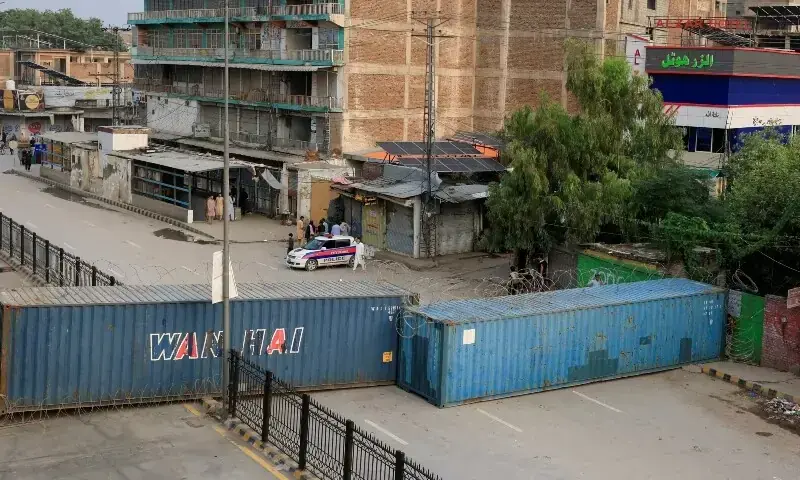
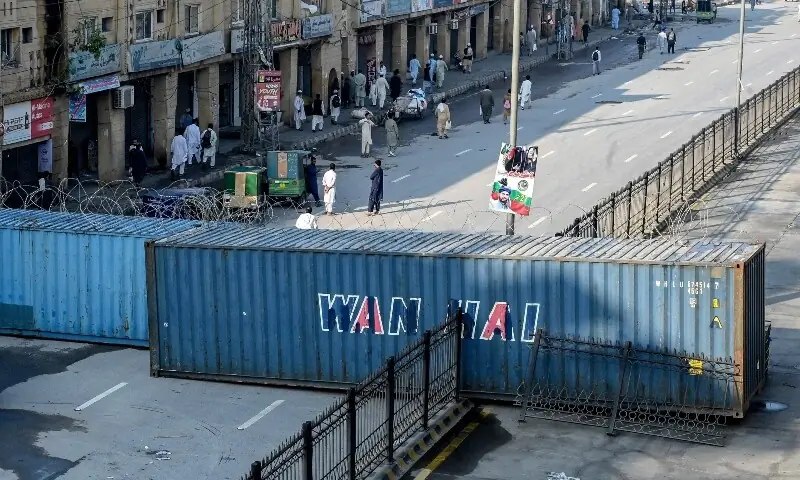
THE federal government on Sunday made good on its threat to dismiss an elected government and impose governor’s rule and emergency in KP.
asserted
government → make → KP
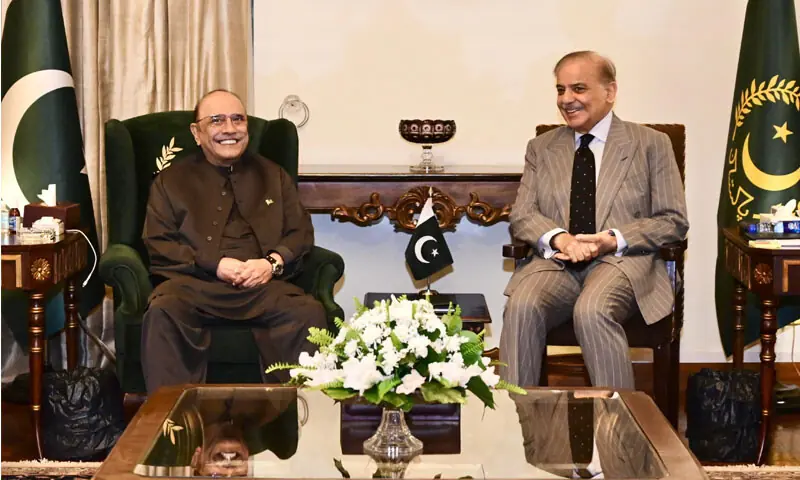
The president obliged.
asserted
president → oblige → ?
The head of state, the only civilian elected twice to that office, has now imposed governor’s rule three times: Punjab in 2009, Balochistan in 2013, and now KP — though the ruling PML-N is the main driver behind the latest move.
asserted
N → elect → move
His party, the PPP, has done so six times in the short history of Pakistani democracy, the others being in 1973 (Balochistan), 1975 (the then NWFP), and 1994 (again, KP).
asserted
others → do → 1973
However, it is a measure that has never achieved what its authors intended, and has more often than not backfired.
asserted
authors → achieve → what
That, perhaps, is why even those unsympathetic to the PTI government in Peshawar had been warning Islamabad not to take this step.
asserted
those → warn → step
In going ahead with it, the centre assumes responsibility for any blowback.
asserted
centre → go → blowback
In February of that year, the then prime minister Zulfikar Ali Bhutto dismissed the Balochistan government led by Sardar Attaullah Mengal, and also removed the then governor, Mir Ghaus Bakhsh Bizenjo.
asserted
minister → dismiss → governor
The centre ruled directly through Nawab Akbar Khan Bugti and sent in the army, fuelling an already smouldering insurgency.
asserted
centre → rule → insurgency
Many elected Baloch leaders turned separatist.
asserted
leaders → elect → ?
The province never really recovered.
asserted
province → recover → ?
But the parallel of an elected leadership being swept aside on the pretext of security is unmistakable.
asserted
parallel → elect → security
The experience of the 1973 decision should be seen as a warning that this is how estrangement from the federation begins.
asserted
estrangement → see → federation
If the authorities felt terrorism was increasing in some tribal districts and adjoining areas, they could have limited themselves to imposing a targeted emergency under Article 232, as they have already done.
uncertain
they → feel → Article
To deprive an entire province of its elected government is not only undemocratic; it can also be severely counterproductive, as history shows.
asserted
history → deprive → government
The stated reason for Sunday’s decision is terrorism.
asserted
reason → state → decision
The real target is perceived to be the only provincial government the opposition held, and the agitation it was leading.
asserted
it → perceive → ?
The PTI government may have faltered on several fronts, but in a democratic society, those failings are supposed to be addressed through the electoral process, not through executive fiat.
uncertain
failings → falter → fiat
Under Article 234, the proclamation lapses within two months unless parliament approves it.
asserted
parliament → lapse → it
That is where this ill-considered action should be challenged on principle: lawmakers would do well to scrutinise it, and the courts to test whether the constitutional threshold was actually met.
asserted
threshold → consider → it
Islamabad must extricate itself from this quagmire before it deepens, and leave KP’s governance to those its people have elected to oversee it.
asserted
people → extricate → it
 The Aporia