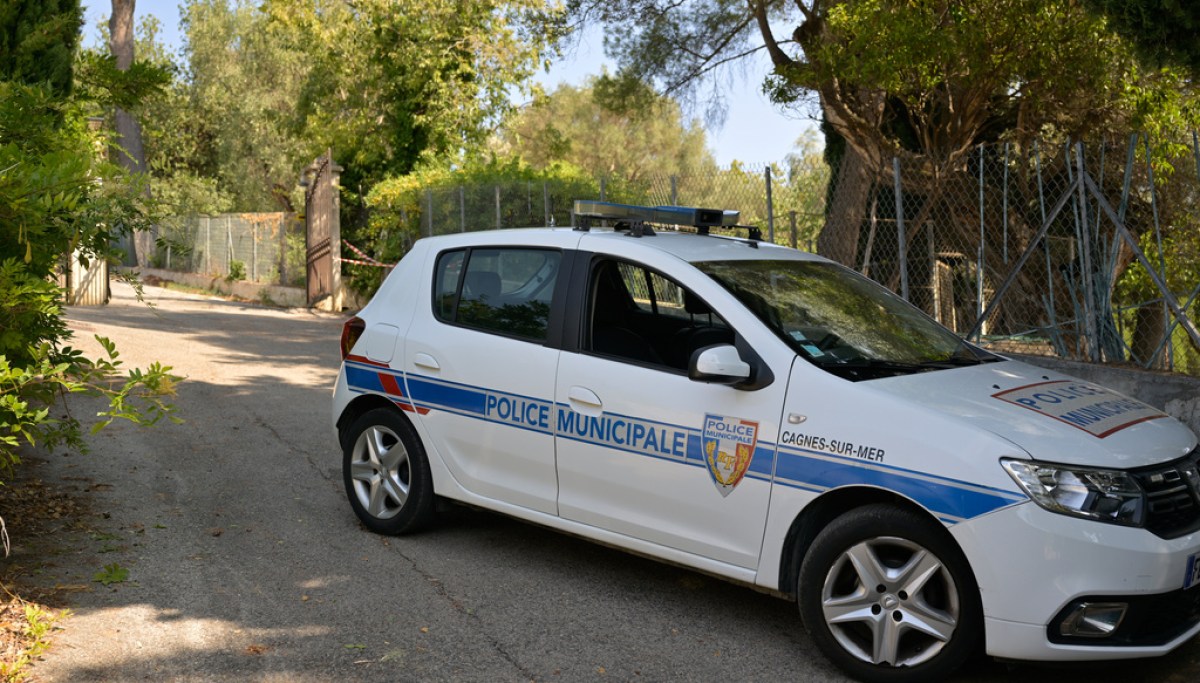
Recent art thefts appear to be inspired by 2025 Louvre heist, art crime experts say

CBC News · collected 2026-09-09 · by Kevin Maimann
Read the original at CBC News ↗

Summary

Art crime experts say recent thefts are inspired by last year's $140 million Louvre heist, in which thieves stole Napoleonic jewelry from the Paris museum. Thieves broke into the Renoir Museum on the French Riviera early Tuesday and stole four paintings worth millions, dropping two of them as they fled. This is part of a string of high-profile art thefts since the Louvre heist, including similar thefts in Italy and other parts of France. Experts say the thieves appear to be inspired by the successful 2025 Louvre heist, but note that stealing well-known artwork can be "an extraordinarily stupid thing to do" due to its difficulty to sell on the black market.
Written by the local model on 2026-09-09, using this article's own text rather than the other coverage of the same event (that is the story summary below).

Signals How these are calculated →

Claims extracted
36
claim-shaped sentences
Uncertain
6%
2 of 36 hedged
Leaning
not political
takes no side on a contested political question
Publisher trust
95.3
red-flag proxy, not a credibility rating
Outlets on this story
5
Crime & Law
Narrative spread
1
articles carrying this framing
Analyzed 2026-09-09 · how these are computed

AI analysis (generated at analysis time, not now)

Story summary

Four valuable paintings by French impressionist Pierre-Auguste Renoir were stolen from the Renoir Museum in Cagnes-sur-Mer, France, a small town on the French Riviera. The thieves, described as "well-equipped" and "well-informed", broke into the museum through a hole cut in a garden fence early on Tuesday morning, and made off with four paintings: Portrait of Madame Colonna Romano, Young Woman at the Well, Coco Lisant, and Jeune fille au puits. Two of the stolen works were found abandoned in the museum garden as police gave chase. The value of the stolen paintings is estimated to be around $14.5 million. The theft is the latest in a series of high-profile art heists in Europe, with some experts suggesting that it may have been inspired by a 2025 Louvre heist.

Written for “Renoir Paintings Heist” on 2026-09-09, grounded in this article and the 4 other(s) covering the same event.
Why this leaning score
This article does not take a side on a contested political question, so it has no leaning score. That is an answer rather than a gap: a match report or a rescue can be warmly or critically written without being left or right, and scoring it anyway is how approval of a subject gets recorded as a political position.
No political leaning scored for article 7305 · logged 2026-09-09

Story

📰 Renoir Paintings Heist
Crime & Law · 5 article(s) covering the same event. This is the one the site leads with.

How this is being covered How these are calculated →

Article leaning vs. publisher reliability
Source leaning vs. consistency

Compared with similar articles

This article reads unscored and hedges 6% of its claims. Each row says how that neighbour differs.
CBC News · 0.90 cosine similarity
⚖️ leaning not scored 🔴 0% hedged 0 of 13 📰 publisher trust 95
“Both articles describe the exact same art heist at the Renoir Museum in Cagnes-sur-Mer, including the date (Tuesday), time (early morning), number of paintings stolen (4), and dropped (2), and the location on the French Riviera.”
ABC News (AU) · 0.87 cosine similarity
⚖️ leaning not scored 🔴 5% hedged 1 of 21 📰 publisher trust 60
“Both articles describe the same theft incident at the Renoir Museum on Tuesday, with similar details about the stolen paintings and the thieves' method of entry.”
The Hindu · 0.87 cosine similarity
⚖️ leaning not scored 🔴 0% hedged 0 of 10 📰 publisher trust 96
“Both articles describe a single art theft incident at the Renoir Museum in Cagnes-sur-Mer, involving four paintings stolen on Tuesday”
Washington Examiner · 0.86 cosine similarity
⚖️ leaning not scored 🔴 5% hedged 1 of 19 📰 publisher trust 96
“Both articles describe the same theft of Renoir paintings from the Renoir Museum in Cagnes-sur-Mer on the French Riviera, with the same details and outcome.”

Publisher

CBC News · 263 article(s) · 0 correction(s) detected
No corrections detected for this publisher. That may mean careful reporting, or simply that nothing has been checked.

Who wrote this

Kevin Maimann
6 article(s) here · 1 carrying a prediction
🔮 She says art heists tend to be carried out by "hired, low-level criminals," but added that stealing well-known artwork is "an extraordinarily stupid thing to do." Stolen artworks by Cézanne, Matisse and Renoir recovered by Italian police Antonello da Messina artworks stolen from museum in Italy Thompson told CBC News that thieves rarely escape punishment and said the Renoir paintings would be very difficult to sell, given the high-profile nature of the theft and the works themselves. "
🔮 More than 100 companies, including OpenAI, Anthropic and Microsoft, signed an open letter last week warning that AI-enabled cyberattacks will become "far more widespread and sophisticated" around the world as models become more capable.
🔮 Prosecutors argue Clancy is guilty of three counts of first-degree murder, having plotted to get her husband out of the house so she could carry out the murders.
🔮 CFIA says there have been no reported illnesses associated with the consumption of these products in Canada, but urges anyone who thinks they may have become sick from consuming a recalled product to contact their health-care provider.
🔮 "It's the best we could get given the circumstances.
🔮 TD Bank told employees in its financial crimes and risk management team in June, in a call first reported by Reuters, that it will start tracking their screen time — specifically the time they spend on browsers, internal chat and meeting apps — using a tool called WorkiQ. TD employees in other departments have raised concerns about this and other productivity tracking tools, saying they cause added stress and unease in the workplace.
Also by Kevin Maimann
Nothing else under this byline is closely related to this article, so these are simply their most recent.
All 6 articles by Kevin Maimann →

Topics

CBC News European French Italy Louvre

Subjects

Renoir PERSON · 5× French NORP · 3× Louvre ORG · 3× Thompson PERSON · 3× Antonello da Messina PERSON · 2× CBC News ORG · 2× Cagnes-sur-Mer GPE · 2× Italy GPE · 2× European NORP · 1× the Renoir Museum ORG · 1×

Narrative

She says art heists tend to be carried out by "hired, low-level criminals," but added that stealing well-known artwork is "an extraordinarily stupid thing to do." Stolen artworks by Cézanne, Matisse and Renoir recovered by Italian police Antonello da Messina artworks stolen from museum in Italy Thompson told CBC News that thieves rarely escape punishment and said the Renoir paintings would be very difficult to sell, given the high-profile nature of the theft and the works themselves. "
framing: assertive · carried by 1 article(s) · first seen 2026-09-09
🔮 She says art heists tend to be carried out by "hired, low-level criminals," but added that stealing well-known artwork is "an extraordinarily stupid thing to do." Stolen artworks by Cézanne, Matisse and Renoir recovered by Italian police Antonello da Messina artworks stolen from museum in Italy Thompson told CBC News that thieves rarely escape punishment and said the Renoir paintings would be very difficult to sell, given the high-profile nature of the theft and the works themselves. "

Claims (36 extracted, 2 hedged)

Recent art thefts appear to be inspired by 2025 Louvre heist, art crime experts say Thieves stole Renoir paintings worth millions from a small French museum Tuesday asserted
Thieves → appear → museum
Art crime experts say last year's headline-grabbing Louvre heist appears to have inspired a rash of brazen art thefts, putting European museums that hold valuable works in a difficult position. asserted
that → say → position
Thieves cut a hole in a fence and climbed through a window to steal four paintings from the Renoir Museum in Cagnes-sur-Mer on the French Riviera early Tuesday, local authorities said. asserted
authorities → cut → Riviera
They dropped two of the works as police gave chase. asserted
police → drop → chase
Impressionist painter Pierre-Auguste Renoir's most valuable works have sold for tens of millions of dollars. asserted
works → sell → dollars
Anthony Amore, an art theft expert and investigator based in Boston, Mass., says the Renoir theft is the latest in a string of high-profile incidents since thieves made off with $140 million Cdn worth of Napoleonic jewelry from the Louvre in Paris last October. asserted
thieves → base → Paris
"In my twenty-odd years of doing this sort of work, I haven't seen anything on this scale," Amore said. asserted
Amore → do → scale
Thieves steal paintings from Renoir Museum on French Riviera Thieves in balaclavas, on motorbikes steal crown jewels in Louvre heist asserted
Thieves → steal → heist
"My best guess is that perhaps the Louvre was a news hook, not just for the media, but for criminal gangs that saw the opportunity to steal valuables and get away with it. asserted
that → see → it
" Police arrested four suspects in the Louvre heist, but most of the jewels remain missing. asserted
most → arrest → jewels
Experts who spoke with CBC News noted similarities with other recent thefts, including the March theft of works by Renoir, Paul Cézanne and Henri Matisse worth millions of dollars. asserted
who → speak → dollars
Masked men broke into the Fondazione Magnani Rocca museum near Parma, Italy, but police recovered the paintings and arrested five suspects in August. asserted
police → break → August
Four Renaissance paintings by Antonello da Messina, worth more than $100 million, were stolen from the Museo Regionale di Messina in Sicily in August in a crime that remains unsolved. asserted
that → steal → crime
Other French museums have also been targeted in recent months. asserted
museums → target → months
Erin Thompson, a professor of art crime at City University of New York, calls the thefts "Louvre-inspired." asserted
Thompson → call → thefts
She says art heists tend to be carried out by "hired, low-level criminals," but added that stealing well-known artwork is "an extraordinarily stupid thing to do." Stolen artworks by Cézanne, Matisse and Renoir recovered by Italian police Antonello da Messina artworks stolen from museum in Italy Thompson told CBC News that thieves rarely escape punishment and said the Renoir paintings would be very difficult to sell, given the high-profile nature of the theft and the works themselves. " asserted
paintings → say → theft
I think they read the headlines about the Louvre heist and not the rest of the story. asserted
they → think → story
Many people who steal art from display in museums, throughout history, have been good at stealing things and not good at thinking through the consequences," Thompson said. asserted
Thompson → steal → consequences
"They spot the rather obvious security flaws of museums, they know that art is valuable, and they figure they'll take it and then come up with a plan afterwards." asserted
they → spot → plan
Museums under pressure Cagnes-sur-Mer mayor Bryan Masson said the Renoir theft should "serve as a warning about the protection of our museums." asserted
theft → say → museums
The French government has come under pressure to address security failures at the country’s museums. asserted
government → come → museums
A French parliamentary report this summer said museums lacked resources and were ill-prepared to safeguard valuable artworks and cultural artifacts. asserted
museums → say → artworks
A Culture Ministry survey in 2024 found that only one in four institutions had an emergency and risk prevention plan, while nearly half lacked any video surveillance. asserted
half → find → surveillance
Thompson says the situation poses a complicated problem. asserted
situation → say → problem
In some ways, she says, museum security is poor because of a "long history of poor funding" and assumptions that people "will behave in museums. asserted
people → say → museums
But, she says, there is only so much a museum can do. asserted
museum → say → ?
"Many of them are in historical buildings that you can't exactly fortify. asserted
you → fortify → that
And the experience of going into a museum is supposed to be anybody can go buy a ticket and stick their nose a couple inches away from some priceless artifact," she said. asserted
she → go → artifact
"You're not supposed to have searches and guard dogs interrupting your experience of contemplating art." asserted
searches → suppose → art
Sally Hickson, an associate professor of art history at the University of Guelph, says recent high-profile thefts have been carried out at smaller provincial museums that don't have sophisticated security. asserted
that → say → security
But even better-known museums may not be as locked down as some people assume, she says. "The kind of high-tech security that people tend to expect from the Oceans movies and stuff like that, that doesn't exist in even a lot of major museums." Thieves will 'never, ever' stop: uncertain
Thieves → know → museums
expert Amore says France in particular has an "extraordinary" number of museums, all with differing levels of security. asserted
France → say → security
But tightening security, he says, may only push thieves to move more toward more "smash-and-grab" style thefts — a trend that already appears to be happening. uncertain
that → tighten → thefts
An August report from pan-European police body Europol found that art thieves in Europe are resorting to more violent and forceful methods, and specialist gangs have increasingly been replaced by ad hoc opportunists recruited through social media. asserted
gangs → find → media
"Even if all these museums do beef up their security, there will probably be people still trying to find ways to get around it," Amore said. asserted
Amore → beef → it
"People will never, ever stop trying." asserted
People → stop → ?
💬 Give feedback
🕘 History 🎫 Support