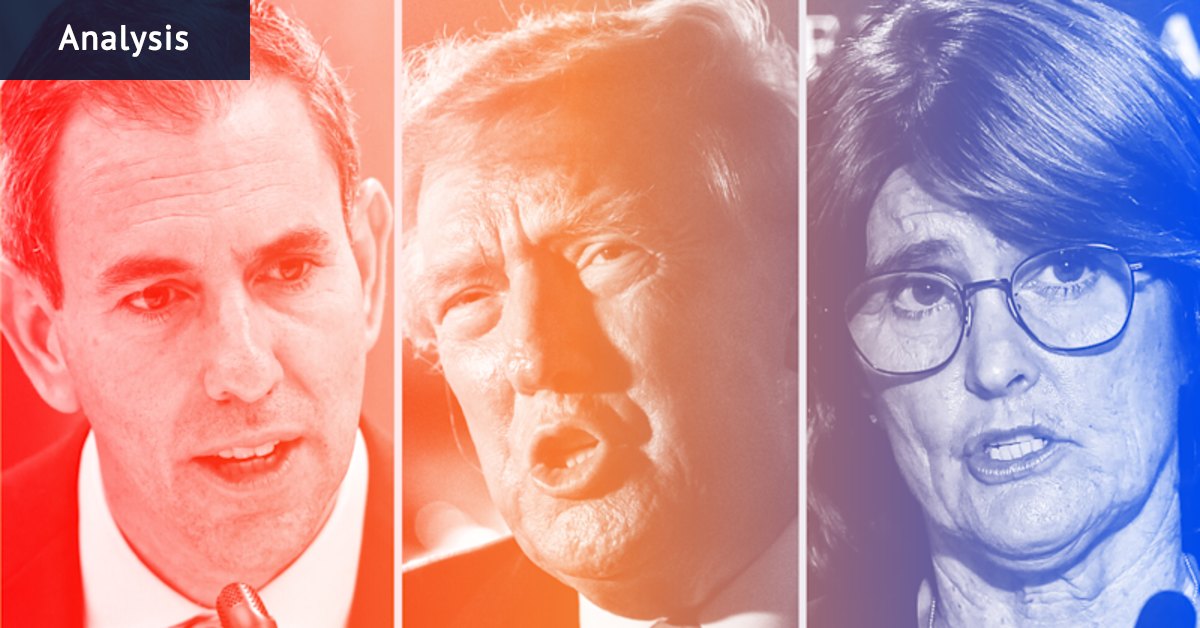
A recent Resolve Political Monitor survey indicates that despite some positive movement in Anthony Albanese's prime minister rating and Labor’s primary vote, voters largely blame Labor for Australia's cost-of-living crisis. The survey shows that 46% of respondents hold the federal government responsible, an increase since October 2024. Treasurer Jim Chalmers defends the government’s economic record but acknowledges global factors like wars, fuel shortages, and US President Donald Trump’s tariffs also contribute to inflation. However, voters primarily blame Labor rather than other entities such as the Reserve Bank or global factors for their financial struggles.
Written locally by qwen2.5:14b on 2026-10-11,
using this article's own text rather than the other coverage of the
same event (that is the story summary below).
Story summary
Voters in Australia are increasingly blaming Labor and Prime Minister Anthony Albanese for the high cost of living, according to recent polls. Despite a slight improvement in Jim Chalmers, the treasurer's approval ratings and Labor’s primary vote increasing by one point, 46% of respondents hold the federal government, including its last budget, responsible for the economic challenges faced by Australians. While Chalmers argues that global factors such as wars in Ukraine and Iran, fuel shortages, food price increases, and US President Donald Trump’s tariffs contribute to inflation, the public perceives Labor as primarily accountable for their financial struggles.
Written for “Chalmers Blame Shifting” on 2026-10-11,
grounded in this article and the 0 other(s) covering the same event.
Why this leaning score
The model judged this article politically coded and scored it -0.35, but every quote it verified points right, so the score is not published.
Written under an earlier scoring contract, which gave a paragraph
rather than checkable quotes. Re-analysing this article replaces it.
Leaning score withheld for article 72539: score contradicts its own evidence · logged 2026-10-11
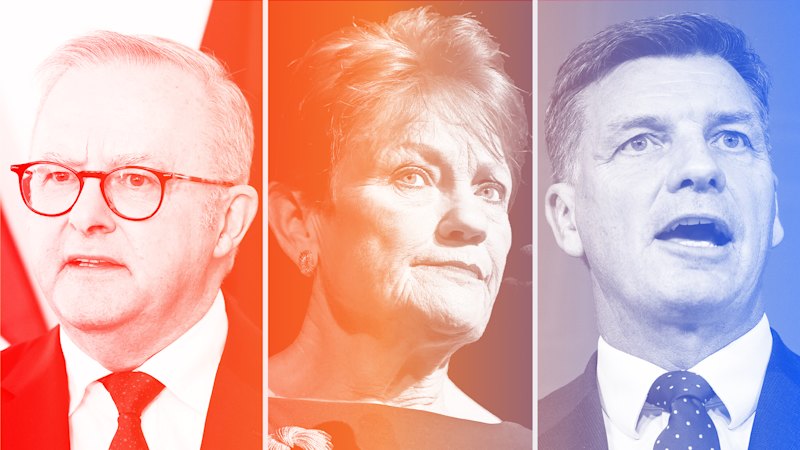
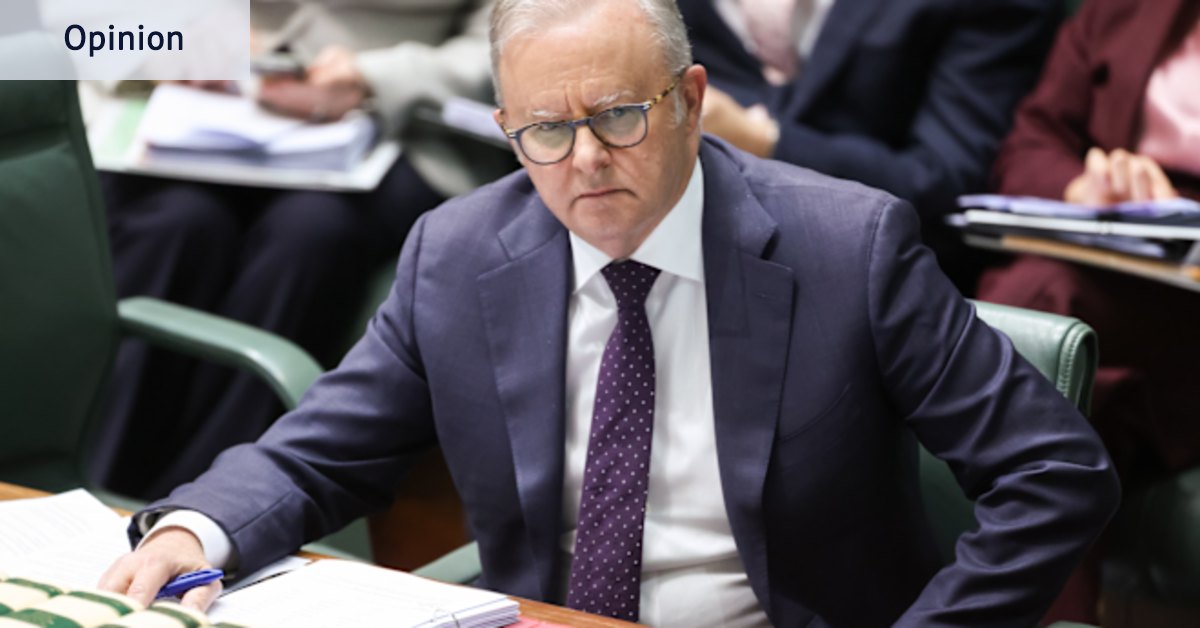
The gloss might be starting to come off One Nation, but the government shouldn’t get too excited yet because voters clearly believe that Anthony Albanese and Labor are to blame for the cost of living crisis affecting Australians.
uncertain
Albanese → start → Australians
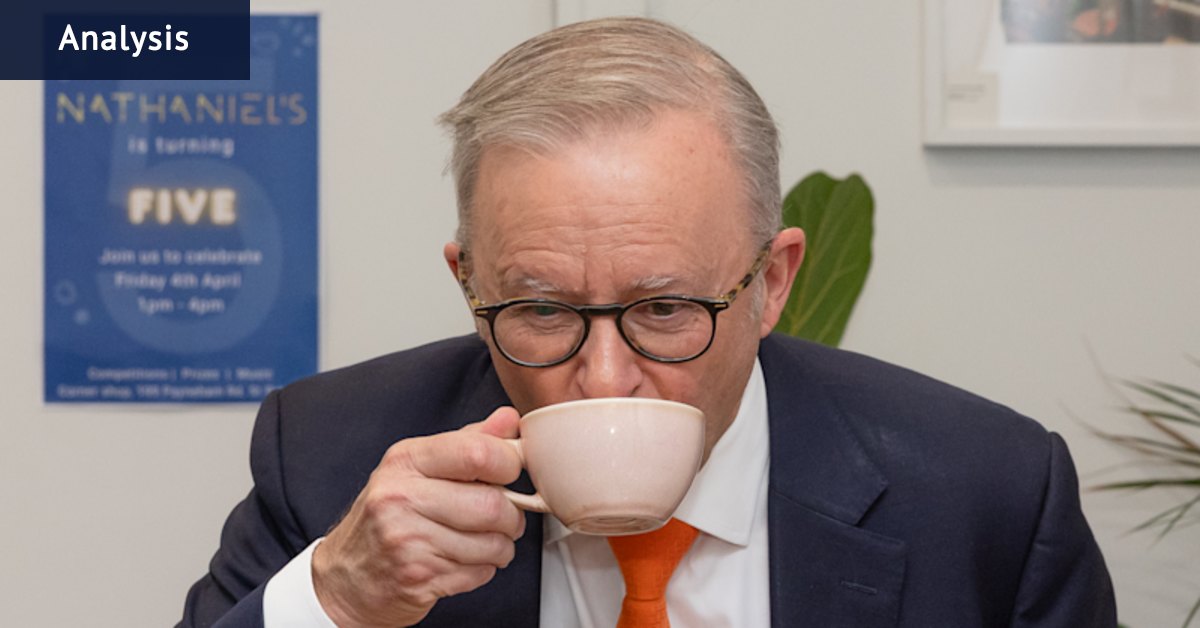
This month’s Resolve Political Monitor did contain some good news for Labor: Albanese’s preferred prime minister rating has risen by three percentage points to 32 per cent and Labor’s primary vote is up one point.
asserted
vote → contain → cent
But on the economy, the issue that decides elections, Labor is wearing most of the blame for voters’ economic pain.
asserted
Labor → decide → pain
Treasurer Jim Chalmers has spent the past month defending his economic record and arguing that government spending is not the main culprit for persistently higher headline inflation and the fourth interest rate rise this year.
asserted
spending → spend → inflation
And it is true the government is only partly to blame for the cost-of-living crunch.
asserted
government → blame → crunch
But that rate hike, along with the global economic headwinds sparked by wars in Ukraine and Iran, fuel shortages, food price rises and US President Donald Trump’s tariffs (to name but a few issues), is hurting Chalmers, Albanese and Labor.
asserted
hike → spark → Chalmers
And governments usually carry the can for voters’ economic pain, fairly or unfairly.
asserted
governments → carry → pain
Fewer than one in 10 voters expect the economic outlook to improve in the next month, while only a quarter expect it to improve over the next year.
asserted
it → expect → year
In contrast, 45 per cent of voters think the economic outlook will get worse in the next month and 42 per cent feel gloomy about Australia’s economic prospects for the next year.
asserted
cent → think → year
Some of the details on cost-of-living pressures contained in this latest Resolve Poll make for excruciating reading for the government.
Asked who they held most responsible for the high cost of living, 46 per cent of people nominated “the federal government including its last budget”.
asserted
cent → contain → budget
That is up 6 percentage points since March and 10 points since October 2024, when the question was first asked by Resolve.
asserted
question → ask → Resolve
Only 4 per cent of voters blamed the Reserve Bank as being primarily responsible for cost-of-living pressures, even though the bank raised interest rates less than two weeks ago.
asserted
bank → blame → rates
In October 2024, that figure stood at 12 per cent.
asserted
figure → stand → cent
How Labor must miss former Reserve Bank governor Philip Lowe, who served as a reliable punching bag for the first 18 months of the Albanese government, when rates were being ratcheted up from historic COVID pandemic lows.
asserted
rates → miss → lows
The current governor, Michele Bullock, has her hands on the lever that raises interest rates.
asserted
that → have → rates
She has not been afraid to raise rates still further, but she seems to have escaped the anger.
asserted
she → raise → anger
Voters seem to understand that the governor is acting to curb inflation by the only means available to her – and unlike her predecessor, she has been guarded with her predictions.
asserted
she → seem → predictions
The only consolation for the government is that the number of people blaming global factors for inflation has doubled from 13 per cent two years ago to 26 per cent now.
asserted
number → blame → cent
But that’s still only just more than half the percentage of people who blame Labor.
asserted
who → ’ → Labor
The days of being able to blame the Morrison government or the central bank are long gone.
asserted
days → blame → government
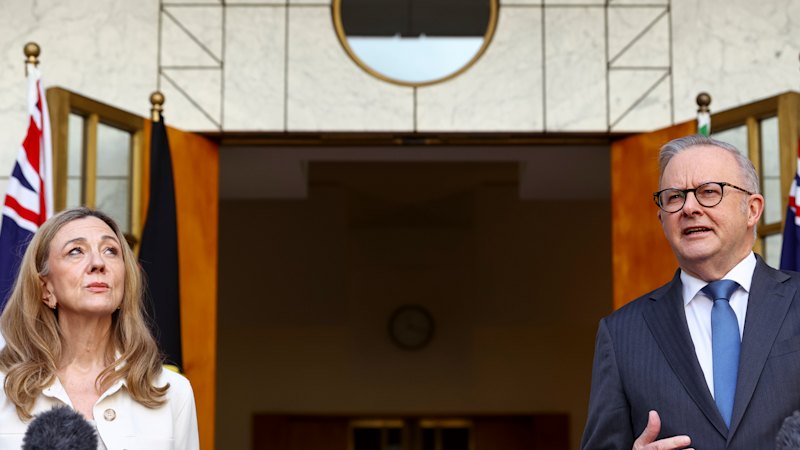
Albanese and Chalmers have been in power for more than four years now and voters have made their minds up about who is to blame now for the inflation crisis: it’s Labor, by a street.
asserted
it → make → street
The government has time to turn around this perception by the time the next election is due, but it would want to get a move on now.
asserted
it → have → move
Because once the perception sets in that this Labor government is addicted to spending (as the Coalition claims) and that it is profligate with taxpayers’ money (as One Nation claims), reversing it will become nigh on impossible.
uncertain
reversing → set → it
Subscribers can sign up to our weekly Inside Politics newsletter.
asserted
Subscribers → sign → newsletter
 The Aporia