Washington knows a great deal about Iran.
asserted
Washington → know → Iran
It tracks uranium enrichment, missile capabilities, oil exports, currency movements, and military infrastructure.
asserted
It → track → enrichment
But they answer only part of the question American policymakers should be asking.
asserted
policymakers → answer → question
They tell us what Iran can do.
asserted
Iran → tell → what
They do not necessarily tell us how politically strong the regime is.
asserted
regime → tell → us
That distinction matters.
asserted
distinction → matter → ?
A regime can become more dangerous while becoming less politically resilient.
asserted
regime → become → ?
Washington has too often treated those two things as if they were the same.
asserted
they → treat → things
Consider how precisely Iran’s measurable capabilities are assessed.
asserted
capabilities → consider → ?
Nuclear facilities are monitored down to enrichment levels and uranium stockpiles.
asserted
facilities → monitor → levels
Oil exports, inflation, and foreign currency reserves are scrutinized for signs of how much pressure Tehran can withstand.
asserted
Tehran → scrutinize → pressure
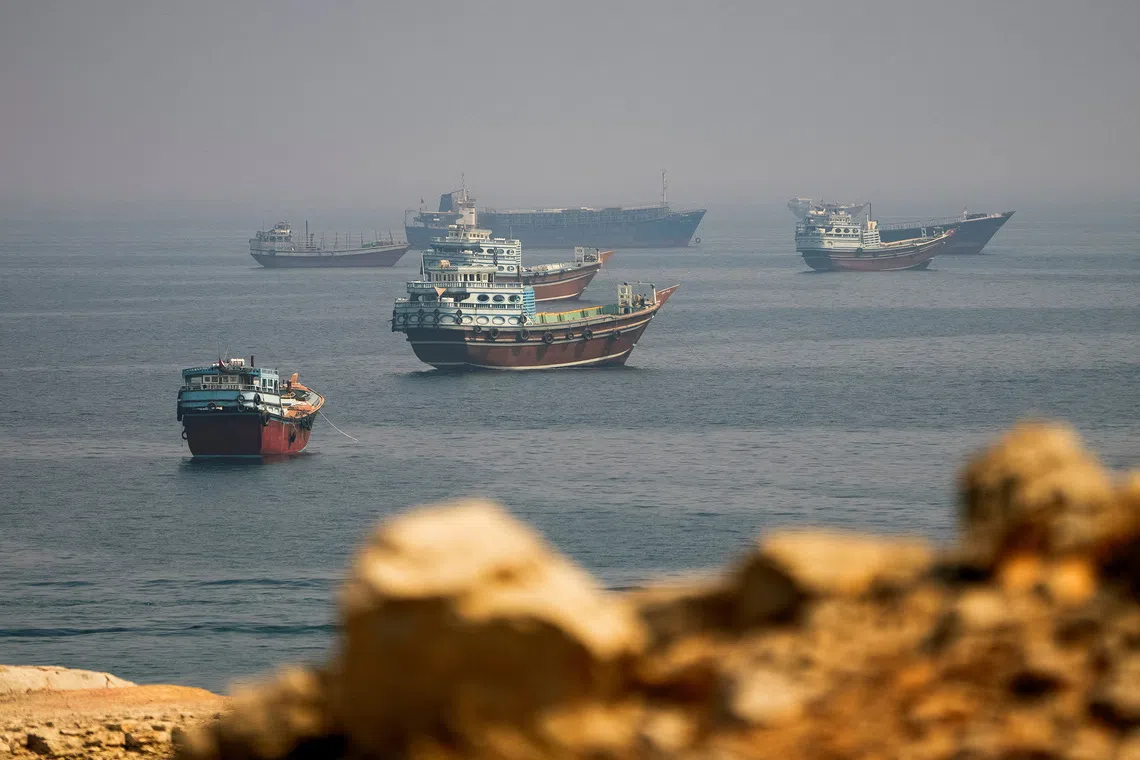
Iranian crude loadings have fallen from about 2 million barrels per day in March to roughly 220,000 to 255,000 in August, while inflation is projected to approach 70% this year.
asserted
inflation → fall → %
These numbers matter.
asserted
numbers → matter → ?
It is much harder to measure how much coercion a government must use to maintain control, or the ability of organized opponents to continue operating under repression.
asserted
government → measure → repression
Iran demonstrates why that matters.
asserted
that → demonstrate → ?
The Islamic Republic retains formidable instruments of coercion, but increasingly it is deploying them against its own population.
asserted
it → retain → population
Since the war began in February, authorities have arrested more than 6,000 people, according to Amnesty International.
uncertain
authorities → begin → International
Protesters and dissidents have faced accelerated prosecutions and executions.
asserted
Protesters → face → prosecutions
U.N. experts have also raised concerns about arbitrary detention, enforced disappearance, torture, and death sentences imposed without basic fair-trial guarantees.
asserted
experts → raise → guarantees
These abuses are rightly treated as a human rights issue.
asserted
abuses → treat → issue
The ability to arrest thousands demonstrates state capacity.
asserted
ability → arrest → capacity
The perceived need to arrest thousands to maintain political control tells us something else.
asserted
need → perceive → something
This does not mean the Islamic Republic is about to collapse.
asserted
Republic → mean → ?
Authoritarian systems can survive economic deterioration, popular hostility, and international pressure for years.
asserted
systems → survive → years
Assuming imminent collapse would simply substitute one analytical error for another.
asserted
Assuming → assume → another
The point is that Washington should distinguish between Tehran’s capacity to inflict damage and its ability to sustain political rule.
asserted
Washington → distinguish → rule
Doing that requires taking Iranian society, including organized resistance within it, more seriously.
asserted
Doing → do → it
Too often, the Iran debate is reduced to choices between Washington and Tehran: negotiate or increase pressure, strike or exercise restraint, tighten sanctions or offer incentives.
asserted
debate → reduce → incentives
Iranian opposition, meanwhile, is often discussed as either spontaneous protest or a collection of prominent personalities in exile.
asserted
opposition → discuss → exile
That misses an important distinction.
asserted
That → miss → distinction
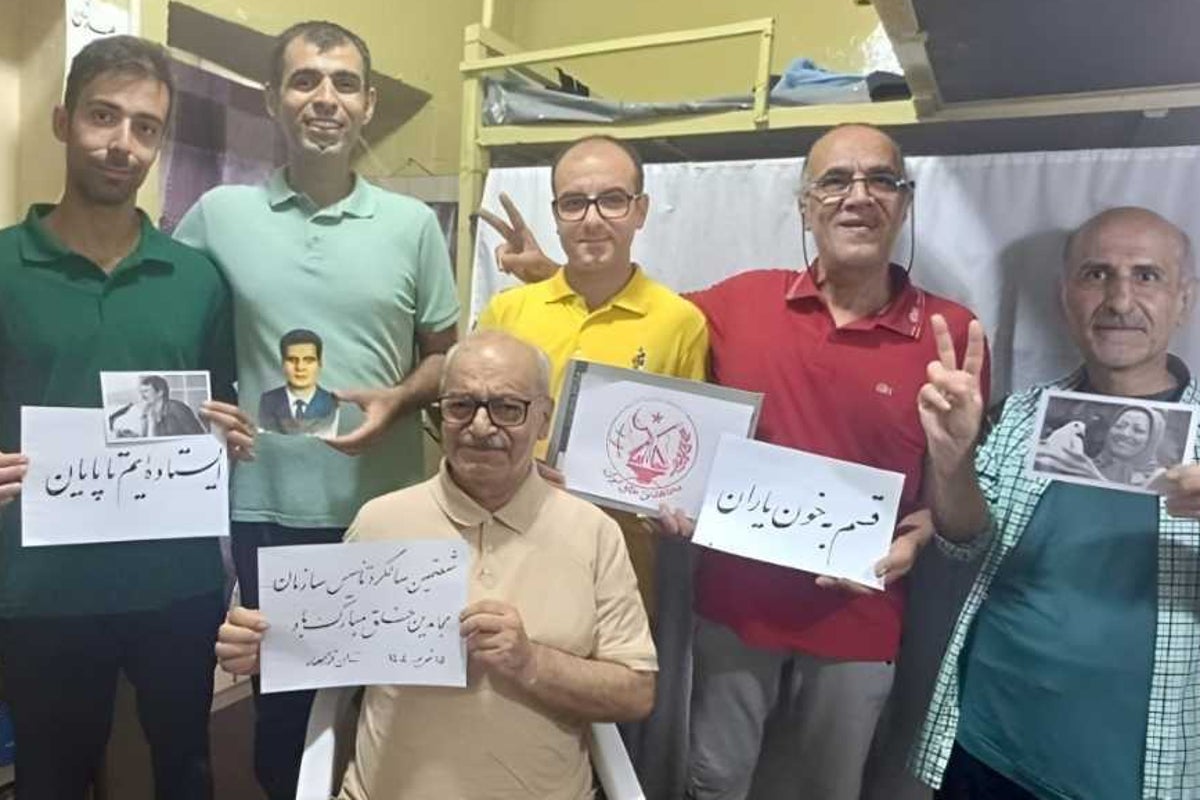
One organized force is the People’s Mojahedin Organization of Iran, or MEK/PMOI, which has opposed the Islamic Republic for decades and is the principal organization within the National Council of Resistance of Iran.
asserted
which → oppose → Iran
Its supporters have maintained clandestine networks inside Iran, while the NCRI has presented a political program for a post-theocratic republic.
asserted
NCRI → maintain → republic
Tehran’s continuing prosecution of people accused of MEK affiliation is itself evidence that the regime treats the organization as a domestic threat.
asserted
regime → continue → threat
The reach of any clandestine movement under a highly repressive state is difficult for outsiders to establish.
asserted
outsiders → establish → state
Difficulty of measurement should not become a reason to discount what cannot readily be counted.
asserted
what → become → measurement
A missile can be photographed.
asserted
missile → photograph → ?
A centrifuge can be counted.
asserted
centrifuge → count → ?
U.S. policy should neither assume that external pressure will produce political change nor attempt to manufacture that change from abroad.
asserted
pressure → assume → change
Iran’s future will ultimately be determined inside Iran.
asserted
future → determine → Iran
Washington, therefore, needs to understand both sides of the political equation: the state’s capacity to suppress and the capacity of organized forces to challenge it.
asserted
Washington → need → it
…and 7 more, not listed.
 The Aporia