Iran’s Hormuz leverage wanes as US economic squeeze bites
AI generated
ISTANBUL – Six months after a conflict that rattled markets and pushed the Gulf to the brink of a wider war, the tide may be turning against Iran, as Washington unleashes an unprecedented economic offensive to achieve what military force could not.
After years of surviving sanctions, Tehran is now confronting one of the harshest squeezes in Iran’s history, according to Iranian insiders and regional sources.
uncertain
Tehran → wan → insiders
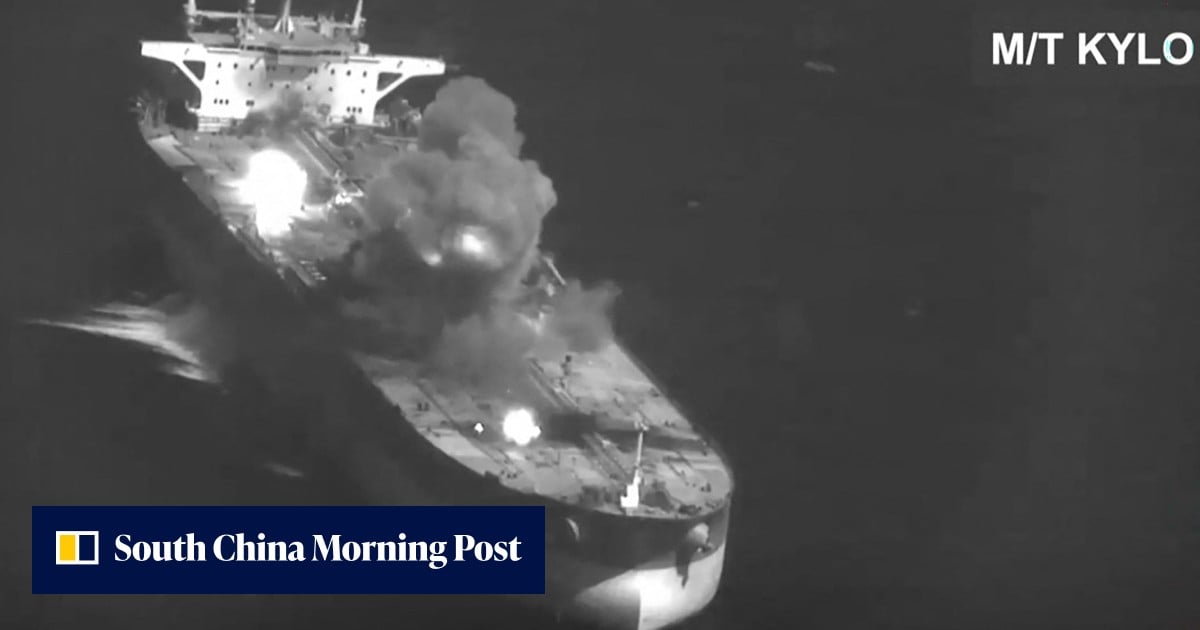
A US naval blockade and tougher sanctions are curbing oil exports, restricting access to foreign currency and exposing growing strains in the economy.
asserted
blockade → curb → economy
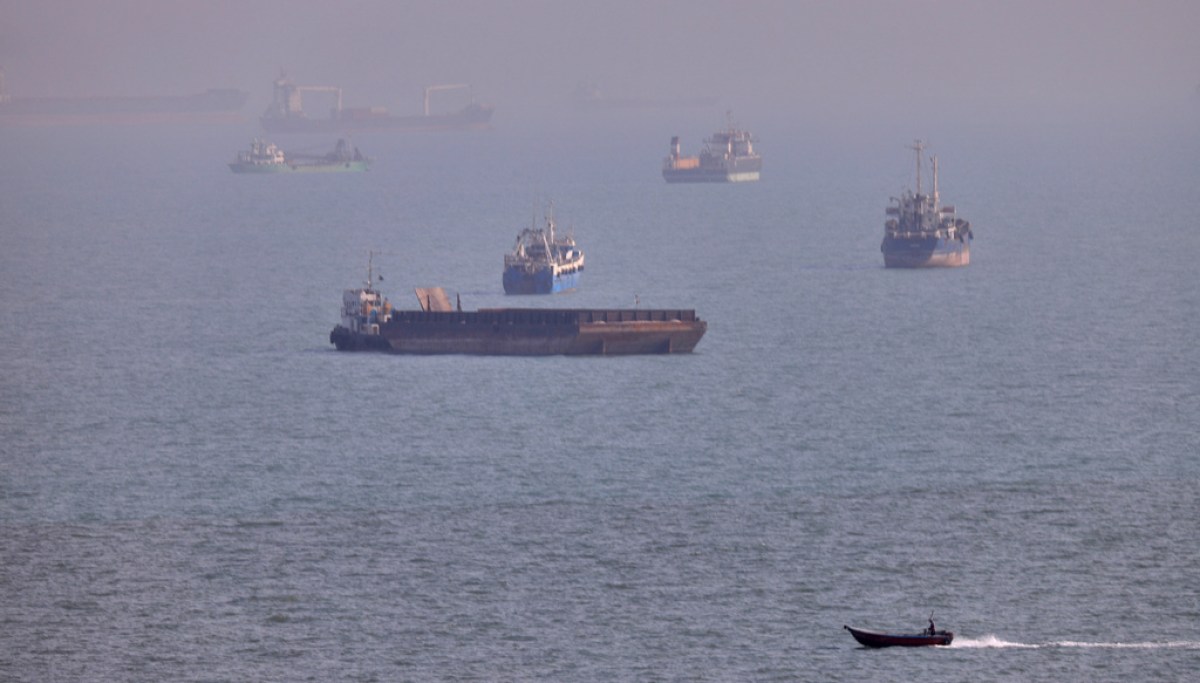
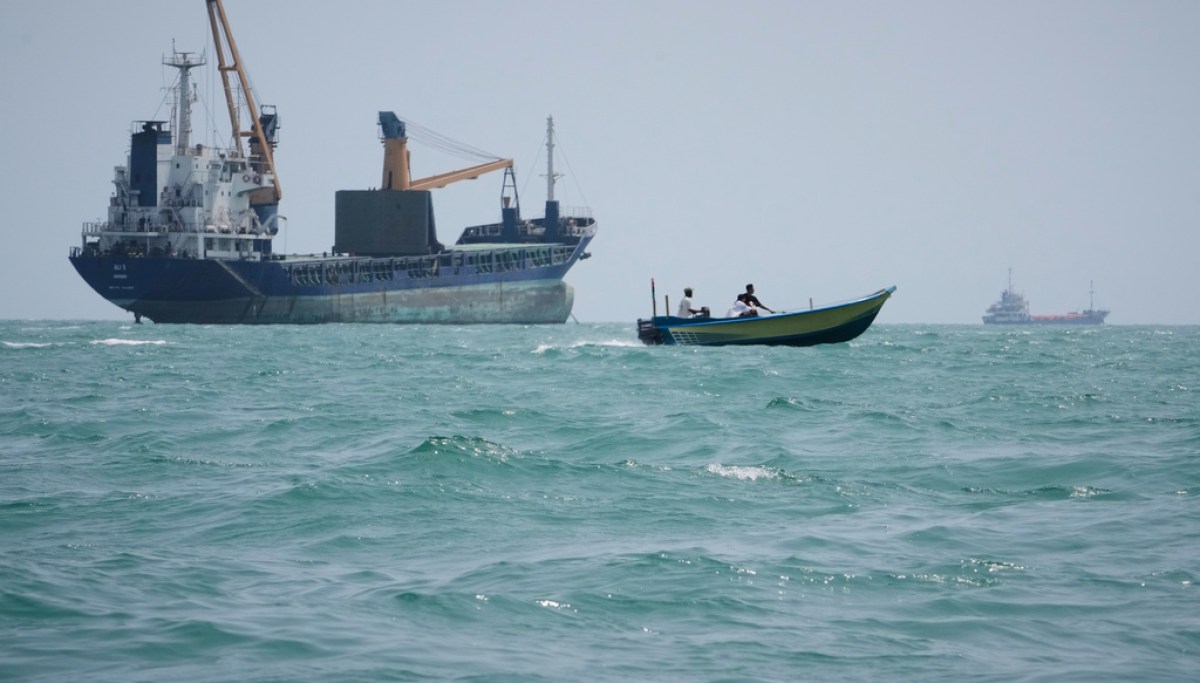
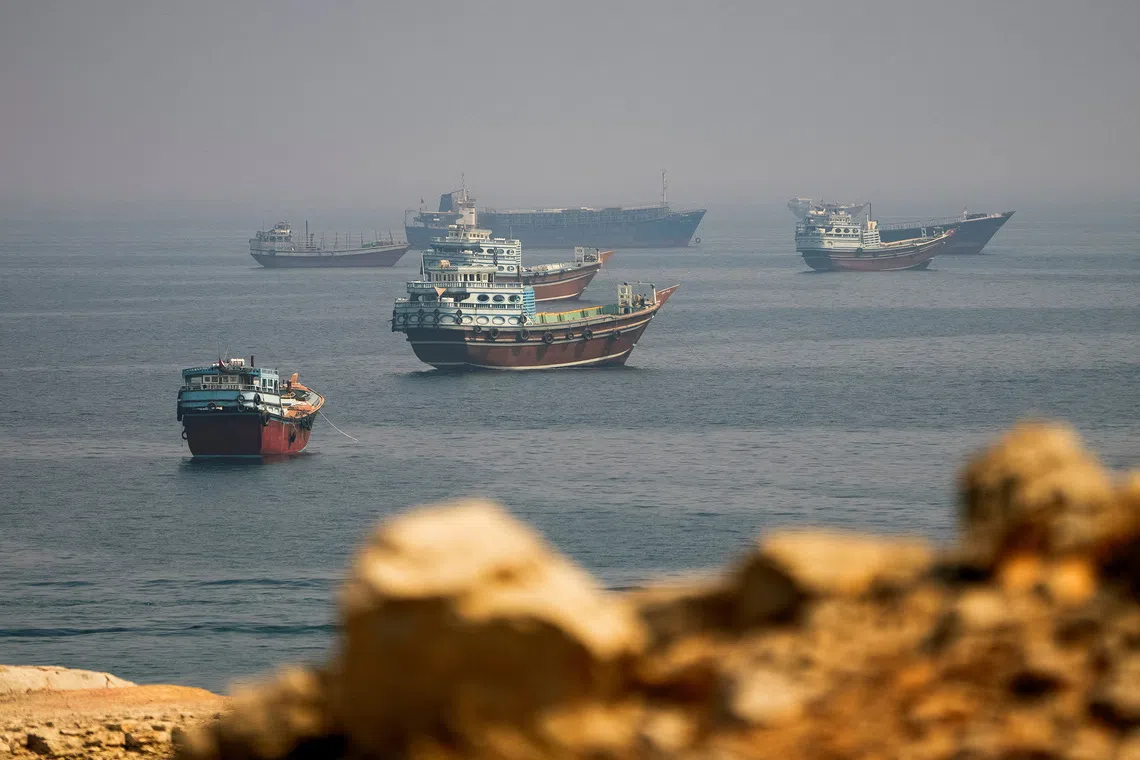
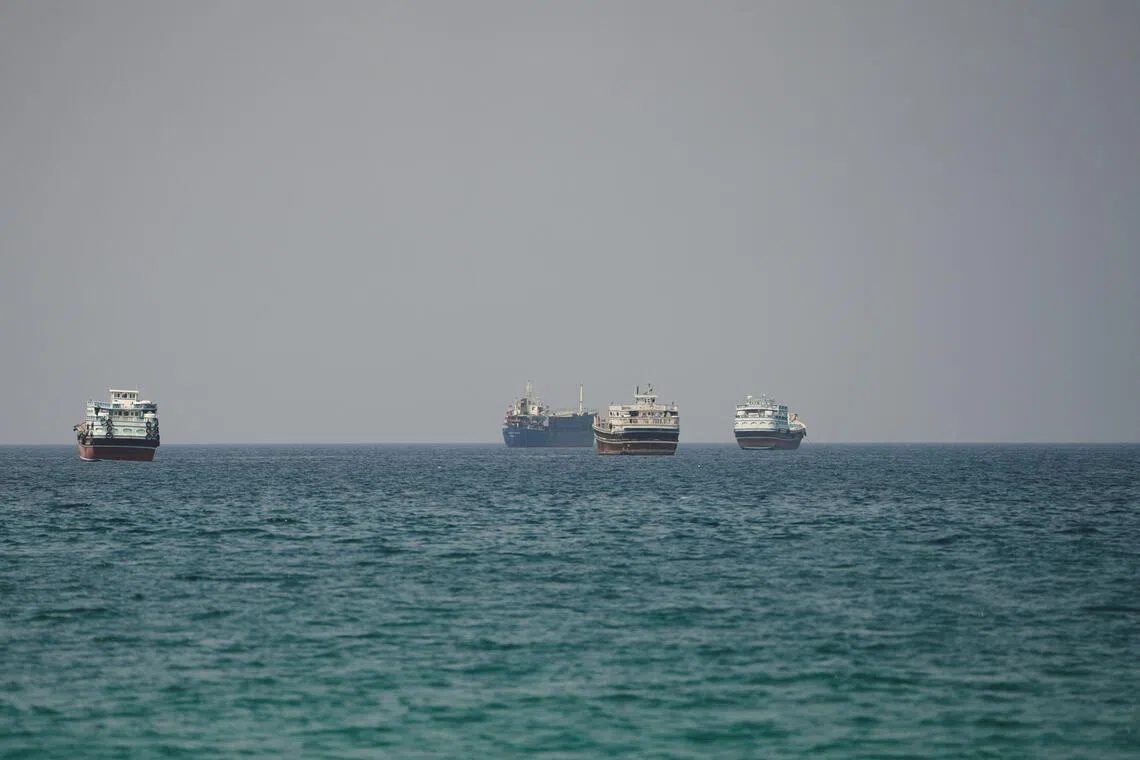
The campaign has led US and regional officials to wager that mounting economic pressure can force Tehran to allow free passage through the Strait of Hormuz, which carries about a fifth of global oil and LNG supplies.
asserted
which → lead → supplies
Their bet rests on a simple calculation: Iran is suffering more economic damage than it is inflicting.
asserted
it → rest → damage
Efforts to choke off oil exports have cut state revenues, while attempts to disrupt shipping through Hormuz have not triggered the global economic shock Tehran hopes will force Washington to compromise.
asserted
Tehran → choke → Washington
Energy markets have adjusted and alternative supplies have continued to flow.
asserted
supplies → adjust → ?
“The balance of power has tilted against Iran a bit,” said Iranian analyst Arash Azizi.
asserted
Azizi → tilt → Iran
Iran is losing some of the leverage it has over the Strait of Hormuz because it has been unable to close it fully, he said, adding that the US naval blockade was “really hitting Iran”.
asserted
blockade → lose → Iran
Azizi said Tehran expected disruption in the strait to trigger a major shock to the global economy and drive Washington back to the negotiating table.
asserted
disruption → say → table
“It hasn’t happened, really,” he said.
asserted
he → happen → ?
Other countries have adapted, exposing limits to Iran’s ability to inflict economic pain on the region and beyond.
asserted
countries → adapt → region
Whether the pressure will force concessions remains unclear, the regional sources said.
uncertain
sources → force → concessions
Tehran has failed to impose the costs it hopes will break Washington’s resolve but has shown little sign of abandoning demands for sanctions relief, access to frozen assets and recognition of its security role in Hormuz.
asserted
it → fail → Hormuz
Still, a new formula for resolving the stand-off is now under discussion between mediators and Iran, the sources said.
asserted
sources → resolve → mediators
Can Iran outlast the squeeze?
asserted
Iran → outlast → squeeze
Three senior Iranian sources acknowledged that Washington’s campaign is becoming increasingly difficult to withstand.
asserted
campaign → acknowledge → ?
The latest measures have sharply restricted Tehran’s ability to access foreign currency, import goods and tap global financing networks that have helped keep the Iranian economy afloat.
asserted
that → restrict → economy
Iranian leaders fear a worsening economy, marked by surging prices, weaker trade and pressure on household incomes, could reignite nationwide unrest that has repeatedly challenged the Islamic Republic.
uncertain
that → fear → Republic
Shortages of key imports, including fuel and wheat, are becoming an increasing concern, officials said.
asserted
officials → include → fuel
US Treasury Secretary Scott Bessent described the strategy as a “one-two punch” combining the blockade with “the toughest sanctions in history”.
asserted
Bessent → describe → history
“It is going to work in Iran, and we are going to collapse this regime,” he told CNBC.
asserted
he → go → CNBC
For some US, Israeli and regional officials, such strains strengthen hopes that economic pressure could eventually carry political consequences inside Iran by triggering unrest, widening rifts within the leadership and weakening its grip on power.
uncertain
pressure → strengthen → power
Others remain sceptical that economic and military coercion will produce a political rupture, pointing to decades of failed efforts to destabilise Iran and Tehran’s willingness to suppress dissent.
asserted
coercion → remain → dissent
They argue that Iran’s rulers may again prove more resilient than their adversaries expect.
uncertain
adversaries → argue → ?
The resilience test
Dennis Ross, a former US negotiator, said Washington may be interpreting Iran’s economic distress as evidence of strategic success when the reality is more complicated.
uncertain
reality → say → success
Tehran remains determined to demonstrate it can control Hormuz, but appears to be calibrating its use of force while keeping further escalation in reserve.
asserted
it → remain → reserve
The Revolutionary Guards may believe that Iran can absorb the economic pain and outlast the pressure rather than compromise, Ross said.
uncertain
Ross → believe → pressure
“The Iranians have consistently surprised us in terms of their resiliency,” he added, saying he doubted economic and military pressure alone would force a retreat.
asserted
pressure → surprise → retreat
Hardliners, he said, may believe they can endure and ultimately secure what they want.
uncertain
they → say → what
Resilience may depend as much on public tolerance as Tehran’s ability to absorb economic hardship, said Burcu Ozcelik, a senior research fellow at the Royal United Services Institute.
uncertain
Ozcelik → depend → Institute
“Of course, the economic squeeze raises the risk of public unrest.
asserted
squeeze → raise → unrest
But for now, a wartime mentality appears to have a significant hold over the population,” said Ozcelik.
asserted
Ozcelik → appear → population
“Foreign military intervention, civilian casualties and the perception of a wider civilisation confrontation with a US-led order are sustaining a degree of ‘Iran-first’ patriotic support, tolerance or simply patience with the regime,” he added.
asserted
he → lead → regime
The result is a more stubborn impasse than Washington may have anticipated.
uncertain
Washington → anticipate → ?
Economic pressure is deepening the pain, but Tehran’s powerful Revolutionary Guards may see endurance, backed by the threat of escalation, as leverage rather than a reason to concede.
uncertain
Guards → deepen → leverage
The key question is not whether Iran is hurting, but whether it is hurting enough to compromise before either side slips toward another confrontation, the regional sources said.
asserted
sources → hurt → confrontation
Ross said the clearest path to a deal may lie in the dispute over shipping fees through the Strait of Hormuz.
uncertain
path → say → Hormuz
Iran could abandon any demand for a toll while retaining the right to charge for legitimate navigational, security or environmental services, he said.
uncertain
he → abandon → services
Such an arrangement could give both sides a claim to victory, allowing Tehran to step back without appearing to capitulate.
“If you could announce that the strait were reopened,” Ross said, “I think Trump would do a deal.”
uncertain
Trump → give → deal
 The Aporia

.png?width=1200&auto=webp&trim=0%2C100%2C0%2C100)