The Guardian
· collected 2026-10-11 · by Tobi Thomas Health and inequalities correspondent
Maternity wards across the U.S. are closing due to federal Medicaid funding cuts announced by HR1 in July 2025. As of now, 52 wards have shut down with another eight scheduled for closure. Experts like Erin Jones from March of Dimes warn that reduced funding and stricter eligibility rules will exacerbate existing issues in maternity care, particularly affecting rural areas where 31 hospitals are at risk of closing, potentially leaving 96 counties without labor and delivery units. The impact is significant given that about 40% of U.S. births rely on Medicaid coverage.
Written locally by qwen2.5:14b on 2026-10-11,
using this article's own text rather than the other coverage of the
same event (that is the story summary below).
Story summary
Maternity wards across the United States are closing due to cuts in federal Medicaid funding. Since July 2025, when the HR1 bill was announced, 52 wards have closed and another 8 are scheduled to close soon. The Centra Southside Community hospital in Virginia and St Mary’s Sacred Heart hospital in rural north-east Georgia are among those that have shut down their maternity units, citing upcoming federal policy changes to Medicaid as the reason.
The HR1 bill mandates new work requirements for adults covered by Medicaid and subjects them to more frequent eligibility checks. Additionally, there will be reduced federal funding for states' Medicaid programs. This shift is expected to exacerbate an already serious crisis in maternal care, according to Erin Jones from Protect Our Care, a non-profit organization dedicated to preserving health insurance coverage.
Written for “Medicaid Cuts Impact Hospitals” on 2026-10-11,
grounded in this article and the 0 other(s) covering the same event.
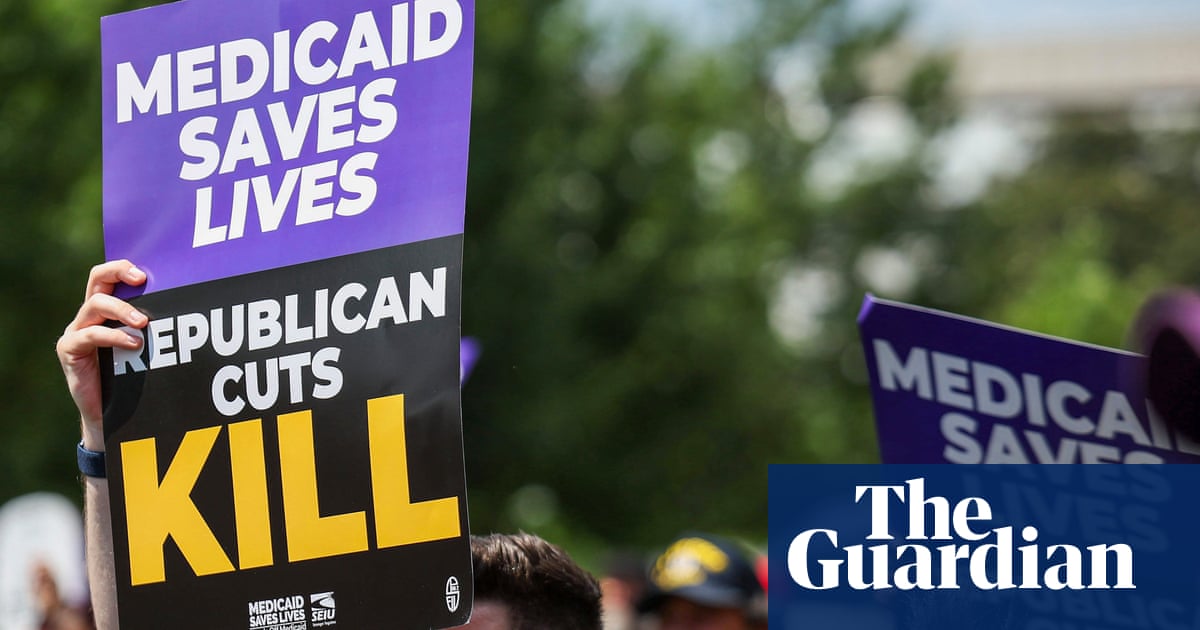
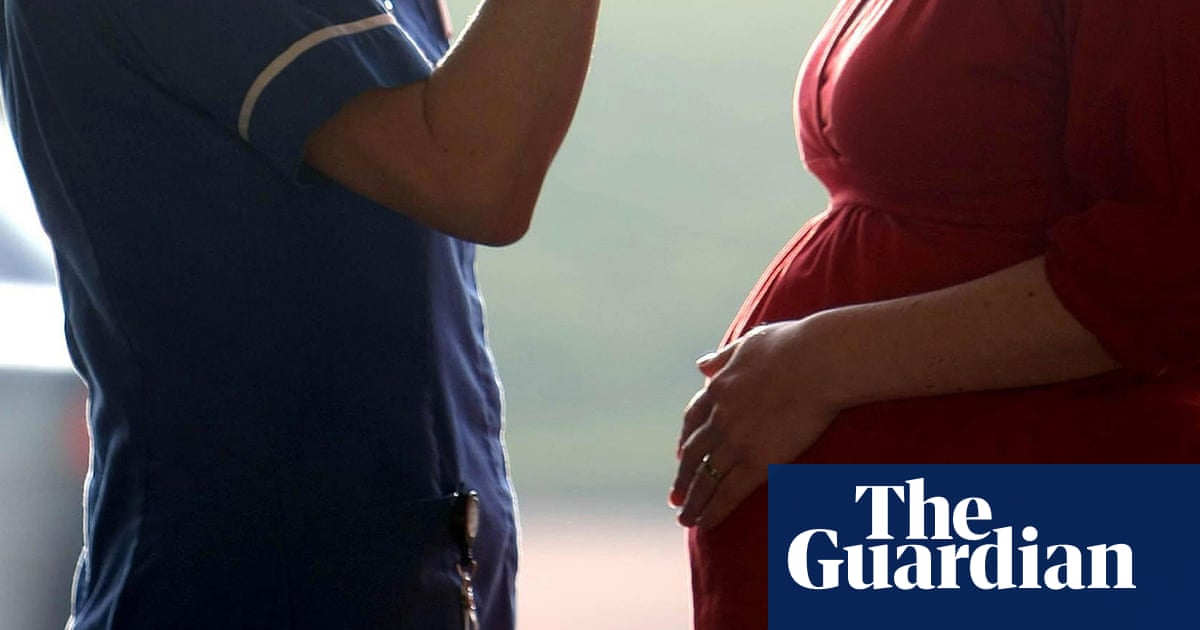
Maternity wards across the United States are facing a wave of closures as cuts to federal Medicaid funding take effect, experts have warned.
asserted
experts → face → effect
According to analysis by the non-profit Protect Our Care, 52 maternity wards have closed since the HR1 bill was announced in July 2025, with a further eight having announced their upcoming closure.
uncertain
eight → accord → closure
The bill, which will fully come into effect in the new year, will result in many adults covered through Medicaid having to meet new work requirements and being subject to more frequent eligibility checks, while there will be less federal funding for states for Medicaid.
asserted
adults → come → Medicaid
Hospitals which have already permanently closed their maternity wards include the Centra Southside Community hospital in Virginia and St Mary’s Sacred Heart hospital in rural north-east Georgia, which both cited upcoming federal policy changes to Medicaid as a reason.
asserted
which → close → reason
Experts are expecting to see more closures of maternity units in the run-up to and after the federal changes to Medicaid come into effect in the new year.
asserted
changes → expect → year
“We’re deeply concerned that these changes already have and will continue to worsen an already serious maternity care crisis,” said Erin Jones, senior director of legislative and strategic counsel of the non-profit March of Dimes.
asserted
Jones → ’re → Dimes
“Reduced funding and restrictions on how states finance Medicaid will put additional pressure on state budgets and hospitals, increasing the risk that communities lose essential maternity services and specialized providers close to home.”
asserted
communities → finance → home
She added that the consequences for maternity care would be particularly devastating within rural communities.
asserted
consequences → add → communities
The non-profit has identified 31 at-risk rural hospitals with labor and delivery services, with their possible closure leaving 96 counties without a labor and delivery unit.
asserted
closure → identify → unit
“Losing these services means fewer places to deliver safely and fewer options for pregnancies requiring specialized care,” Jones added.
asserted
Jones → lose → care
About 40% of births in the US are paid for by Medicaid, while the country has one of the highest maternal mortality rates among high-income nations, at a rate of 17.9 deaths per 100,000 live births, according to the latest Centers for Disease Control and Prevention (CDC) figures.
uncertain
country → pay → figures
Benjamin Sommers, a professor of healthcare economics at the Harvard TH Chan School of Public Health, said the changes to Medicaid would “absolutely” affect women who are pregnant and specialist pregnancy organizations.
asserted
who → say → women
“It’s not true that this law in any way protects Medicaid for pregnant mothers, for low-income parents.
asserted
law → ’ → parents
It adds financial strain to the providers and the insurance program that they rely on,” he said.
asserted
he → add → that
Sommers, who was deputy assistant secretary for health policy under Joe Biden, said although the new work requirements for Medicaid are supposed to exempt pregnant women, his research has shown that many women are not enrolled in the Medicaid pregnancy pathway, meaning the state might not know that they’re pregnant.
uncertain
they → say → pathway
He added: “Someone could be enrolled through Medicaid expansion, they could get pregnant and they could mistakenly think – because they heard it on the news that this law doesn’t affect pregnant people – [they’re] fine, and it turns out the state doesn’t know they’re pregnant and they lose coverage.”
uncertain
they → add → coverage
Vaishu Jawahar, director of policy and programs at Protect Our Care, added: “When you’re cutting Medicaid by a trillion dollars, you’re cutting this money from hospitals.
asserted
you → add → hospitals
So these hospitals are going into the red and being forced to make hard decisions, which usually results in maternity wards being closed as they are extremely expensive to run.
asserted
they → go → decisions
Meanwhile, in early 2025, the entirety of the CDC’s pregnancy risk assessment monitoring system team, which oversees a population-based surveillance system collecting data on women’s experiences before, during and after pregnancy, was placed on administrative leave by the Trump administration.
asserted
which → oversee → administration
According to an upcoming report authored by academics and former CDC staff, seen by the Guardian, these actions by the federal government disrupted the collection and management of “one of the nation’s most important sources of population-based information on pre-pregnancy, pregnancy, postpartum experiences, and maternal and infant health” which has existed for over four decades.
uncertain
which → accord → decades
Teams like mine used to have access to this data before the portal was shut down, and so now there’s no way to study the more recent trends in maternal and infant health,” said Rita Hamad, professor of social epidemiology and public policy at the Harvard TH Chan School of Public Health and co-author of the report.
asserted
Hamad → use → report
“Now we’re very worried that the cuts to US safety net policies or barriers that keep people able to access those programmes are going to have detrimental effects on maternal and infant health.”
asserted
that → ’re → health
She added: “I think we’re going to see those geographical and maternal disparities widening.
asserted
disparities → add → ?
Or we’re not going to see it because we don’t have the data, but that’s what is going to happen.
The Department for Health and Human Services has been contacted by the Guardian.
asserted
Department → go → Guardian
 The Aporia