The Guardian
· collected 2026-09-20 · by Tobi Thomas Health and inequalities correspondent
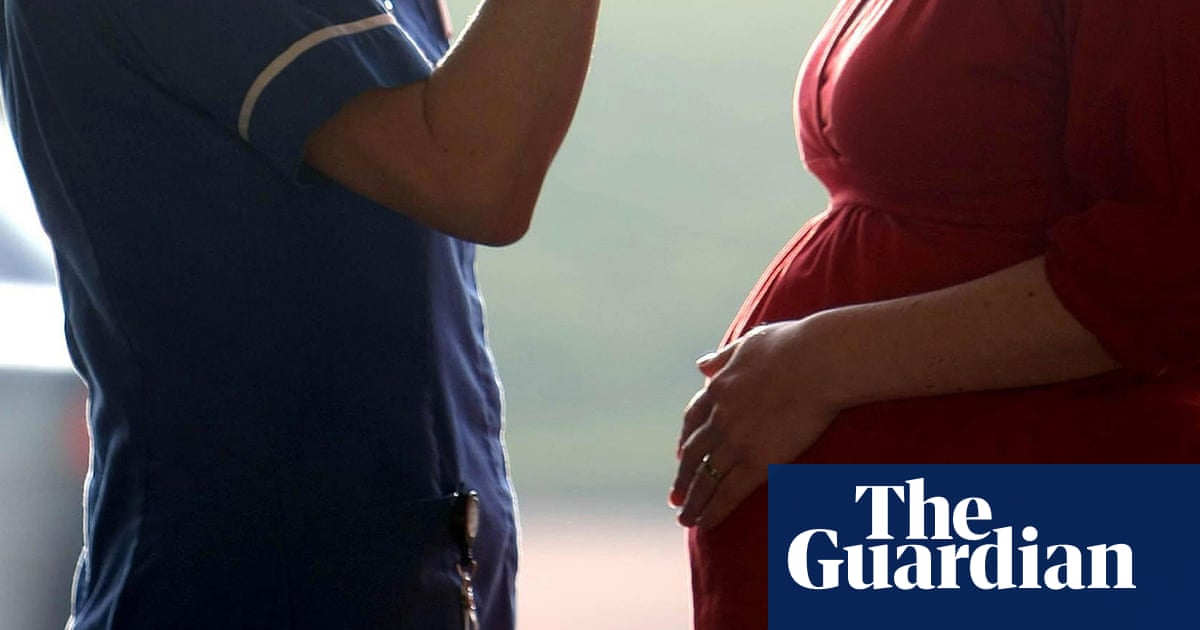
Each year in England, about 20,000 pregnant women disclose instances of domestic abuse during their maternity care visits, based on data from NHS trusts. This figure is likely a conservative estimate, given the challenges in fully capturing all disclosures. The article emphasizes the critical role midwives play in identifying and responding to these cases, but also highlights the need for better training and support for healthcare professionals dealing with such sensitive issues amidst staffing shortages and high workloads.
Written locally by qwen2.5:14b on 2026-09-20,
using this article's own text rather than the other coverage of the
same event (that is the story summary below).
Story summary
About 20,000 pregnant women in England disclose experiences of domestic abuse annually to maternity services, according to analysis by For Baby’s Sake. This figure, likely an underestimation, highlights the critical role midwives play in identifying and addressing abuse. In a three-year average from data provided by 74 out of 118 NHS trusts contacted, approximately 3.3% of maternity bookings involved disclosures of current or past domestic abuse. Judith Rees, chief operating officer at For Baby’s Sake Trust, emphasizes the importance of the relationship between midwives and parents in addressing such issues. Gill Walton, chief executive of the Royal College of Midwives, underscores that midwives are often the only professionals regularly seeing pregnant women alone, making them uniquely positioned to spot signs of abuse and offer care.
Written for “Pregnant Women Reporting Abuse” on 2026-10-04,
grounded in this article and the 0 other(s) covering the same event.
About 20,000 disclosures of domestic abuse are estimated to be made to maternity services in England every year, analysis has found.
asserted
analysis → estimate → England
The figures are likely to be an underestimate of the true scale of disclosures, according to experts, highlighting the role maternity professionals play in identifying abuse.
uncertain
professionals → accord → abuse
About 3.3% of maternity bookings made within NHS trusts across England involved a disclosure of current or non-recent domestic abuse.
asserted
% → make → abuse
Applying this proportion to national NHS maternity bookings activity suggests there are approximately 20,000 disclosures of domestic abuse made within maternity services in England every year.
uncertain
Applying → apply → England
Of the 118 trusts contacted by the charity For Baby’s Sake, 74 provided usable data, and the figures are based on a three-year average of the most recent data available.
asserted
figures → contact → data
Gill Walton, the chief executive of the Royal College of Midwives, said the findings “lay bare” something that midwives already know from their day-to-day practice.
asserted
midwives → say → practice
“Midwives are often the only professional a pregnant woman sees regularly and alone, which makes them uniquely placed to spot the signs of domestic abuse and respond with care,” Walton said.
asserted
Walton → see → care
“But recognising a disclosure is only the first step – staff need proper, specialist training to know how to respond and services need the time and resources to follow through with support, so that no disclosure is ever a missed opportunity to protect a parent and their baby.
asserted
disclosure → recognise → parent
Experts have also called for midwives to receive adequate support and training on handling such domestic abuse disclosures, while also working long hours on busy maternity wards that can also face staff shortages.
asserted
that → call → shortages
“Midwives and other maternity staff play such a crucial role when it comes to reporting disclosures of domestic violence which are made to them.
asserted
which → play → them
However, maternity staff also need better support so they know what the next steps are regarding what to do with these disclosures,” Veronica Oakeshott, the interim head of external affairs at Women’s Aid, said.
asserted
Oakeshott → need → Aid
She added: “They’re already facing immense pressure working on busy maternity wards, so it’s essential that they receive adequate support and training on how to handle these disclosures moving forward.”
asserted
they → add → disclosures
Judith Rees, the chief operating officer and designated safeguarding lead at For Baby’s Sake Trust, said: “Having worked as a midwife, health visitor and nurse across 33 years within the NHS, I know how important the relationship between a maternity professional and a parent can be.
asserted
relationship → designate → professional
Creating the right opportunity to ask about domestic abuse, and knowing how to respond when someone says ‘yes’, can be life-changing.”
asserted
someone → create → abuse
She added: “Midwives need to understand the impact domestic abuse can have on a parent and their baby, be able to recognise risk and respond safely, and know where to go for specialist support.
asserted
abuse → add → support
Pregnancy and the early postnatal period give us a critical window to intervene, and when we get that response right, we have an opportunity to improve outcomes for parents and babies.”
asserted
we → give → parents
Kate Brintworth, the chief midwifery officer for NHS England, said: “All staff working in NHS maternity and neonatal services are committed to ensuring that any disclosure of domestic abuse will be met with compassion, sensitivity and clear options for support.
asserted
disclosure → say → support
Midwives receive mandatory safeguarding training, alongside specialist training on how to ask sensitive questions about abuse, and can refer women to specialist domestic abuse services for support with issues such as housing and legal advice where needed.”
asserted
Midwives → receive → housing
 The Aporia