That is 0 articles you have read today.
The Aporia is free and carries no advertising, so readers are the only
thing paying for it. If you are getting this much out of it, a small
donation is what keeps it independent.
Daily limit reached
You have read 0 articles today.
That is more than the 15 a day The Aporia gives away,
and well past what it can carry on nothing. Your allowance resets at
midnight.
There is no advertising here and nothing about you is sold, so readers
are the only thing paying for it. If the site is worth this much of
your day, it is worth a few dollars.
Everything else stays open: the
maps, the
directory and
search do
not count against this, and neither does re-opening something you have
already read today.
In 2015, Pakistan's involvement in Yemen was debated and approved by parliament following Saudi Arabia’s request for support against Yemeni rebels. Recently, however, the Foreign Office stated that signing a Makkah Joint Defence Agreement with Saudi Arabia and deploying military assets under it does not require parliamentary approval, marking a significant shift from earlier practices. The article questions this change, highlighting concerns about transparency and the role of parliament in decision-making processes related to foreign conflicts. It suggests that Pakistan should follow Turkey’s example by taking such agreements to its parliament for debate and approval.
Written locally by qwen2.5:14b on 2026-10-11,
using this article's own text rather than the other coverage of the
same event (that is the story summary below).
Story summary
In 2015, when Pakistan was deciding its stance on the conflict between Saudi Arabia and Yemeni rebels, then-defence minister Khawaja Asif initiated a parliamentary debate, leading to a marathon session where finance minister Ishaq Dar presented a resolution supporting Saudi Arabia's territorial integrity while maintaining neutrality in Yemen to facilitate diplomacy. Recently, in 2026, the Foreign Office stated that signing the Makkah Joint Defence Agreement and committing military resources under it do not require parliamentary approval, marking a shift from earlier practices. The FO spokesperson defended this approach by highlighting the involvement of key officials like Khawaja Asif and Ishaq Dar in the Strategic Political and Defence Committee, despite criticism over lack of political consultation.
Written for “UK Political Landscape” on 2026-10-11,
grounded in this article and the 0 other(s) covering the same event.
Why this leaning score
The article's own words the score was based on. Each is quoted
verbatim and was checked against the article text before being
stored, so you can find it in the original.
Leaning: leans left for article 71678 (high confidence, 2 verified quotes) · logged 2026-10-11
MUCH has changed in just a little over a decade.
asserted
MUCH → change → decade
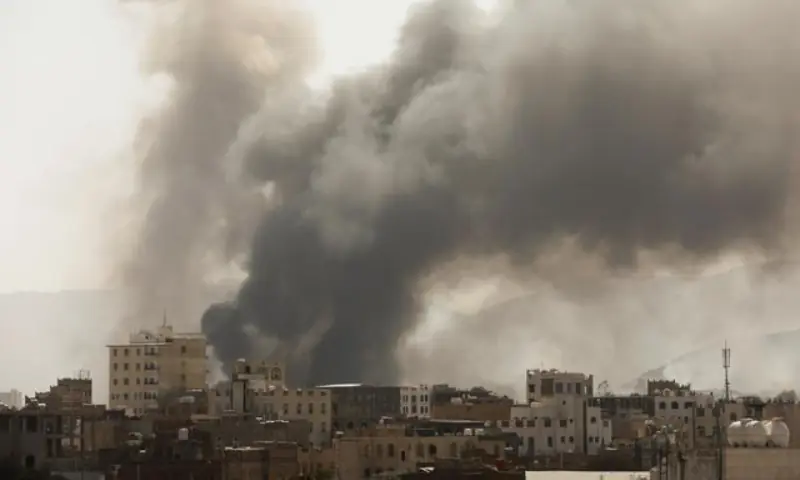
In 2015, when the question of Pakistan’s involvement in the conflict between Saudi Arabia and Yemeni rebels last arose, the then defence minister, Khawaja Asif, opened the issue for debate before a joint sitting of parliament.
asserted
minister → arise → parliament
Days later, after a marathon session, it was the then finance minister, Ishaq Dar, who presented the parliamentary resolution affirming Pakistan’s support for Saudi Arabia’s territorial integrity, while conveying a desire to “maintain neutrality in the Yemen conflict so as to be able to play a proactive diplomatic role to end the crisis”.
asserted
who → present → crisis
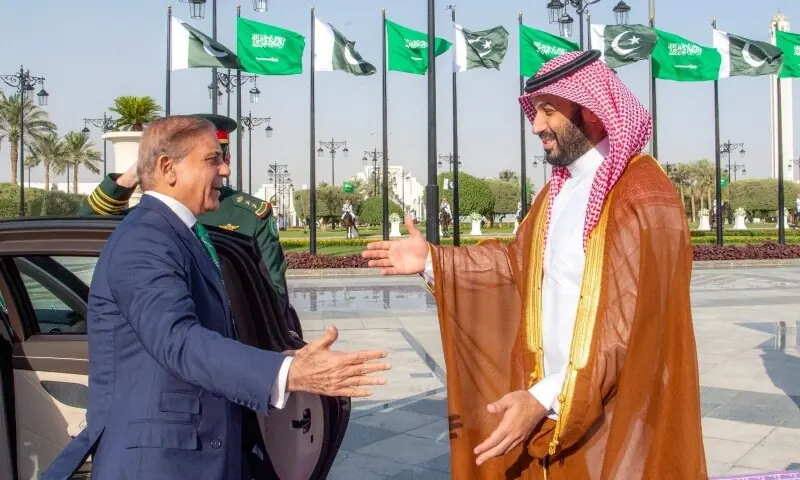
In 2026, the Foreign Office tells us that the recent signing of the Makkah Joint Defence Agreement and the commitment of military capabilities under it are executive functions that do not necessarily require parliamentary approval.
asserted
that → tell → approval
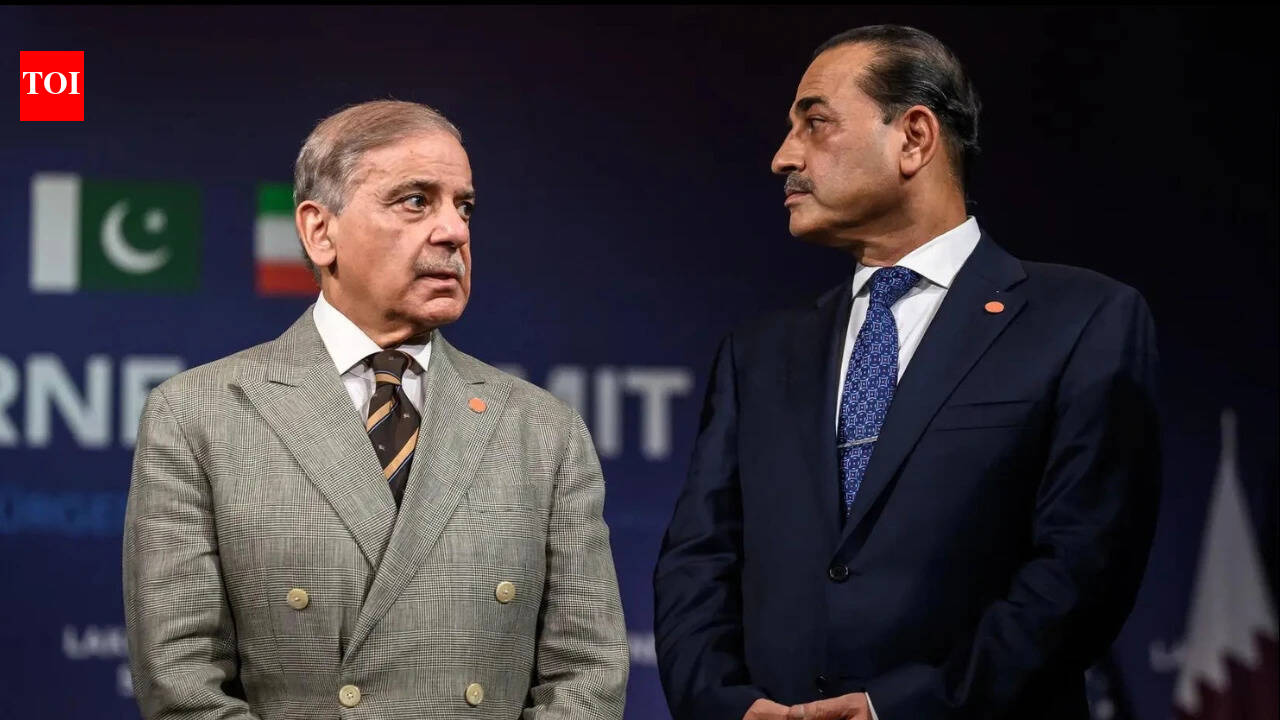
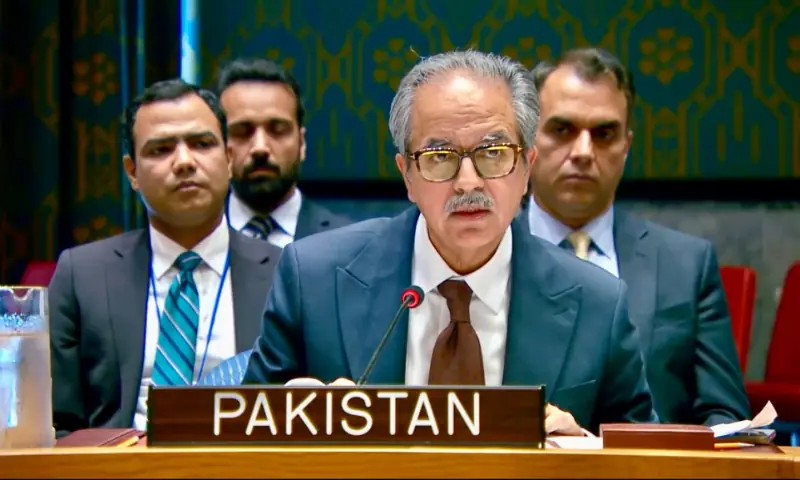
Ironically, in his Friday briefing, the FO spokesperson, while rejecting criticism of the apparent lack of political consultation on the matter, pointed to the participation of Defence Minister Khawaja Asif and Deputy Prime Minister and Foreign Minister Ishaq Dar in the Strategic Political and Defence Committee.
asserted
spokesperson → reject → Committee
He mentioned it in support of his assertion that members of parliament and the federal cabinet had not been completely cut off from the decision-making process.
asserted
members → mention → process
But the two ministers ought to be asked: is the risk calculus of the conflict any different from before?
asserted
calculus → ask → conflict
And if the policy is the same as in 2015, why not say so in parliament, as they did then?
asserted
policy → say → parliament
One hopes they have satisfactory answers to these questions.
asserted
they → hop → questions
The secrecy surrounding the matter gives the impression that, in 2026, parliament is being deliberately sidelined in a matter in which it was deliberately involved in 2015.
asserted
it → surround → 2015
Meanwhile, the third party in the trilateral Makkah defence agreement, Turkiye, is taking the agreement to its parliament.
asserted
party → take → parliament
Regardless of what the law allows, it would be better if Pakistan took the same route.
asserted
Pakistan → allow → route
The fact that our troops are already on Saudi soil, and have been so for decades, is no answer, especially since the terms of the new joint defence agreement have not been made public, and, therefore, their consequences cannot be judged.
asserted
consequences → make → agreement
A handful of ministers in a committee deliberating behind closed doors cannot be claimed as a substitute for a parliamentary debate.
asserted
handful → deliberate → debate
Where Pakistan’s involvement in a foreign conflict is concerned, the public’s representatives should have been taken into confidence.
asserted
representatives → concern → confidence
Pakistan has always been unequivocal about its commitment to protect Saudi Arabia’s territorial integrity and the holy sites — that is not in question here.
asserted
that → protect → question
 The Aporia