The Aporia
The Aporia
The Aporia
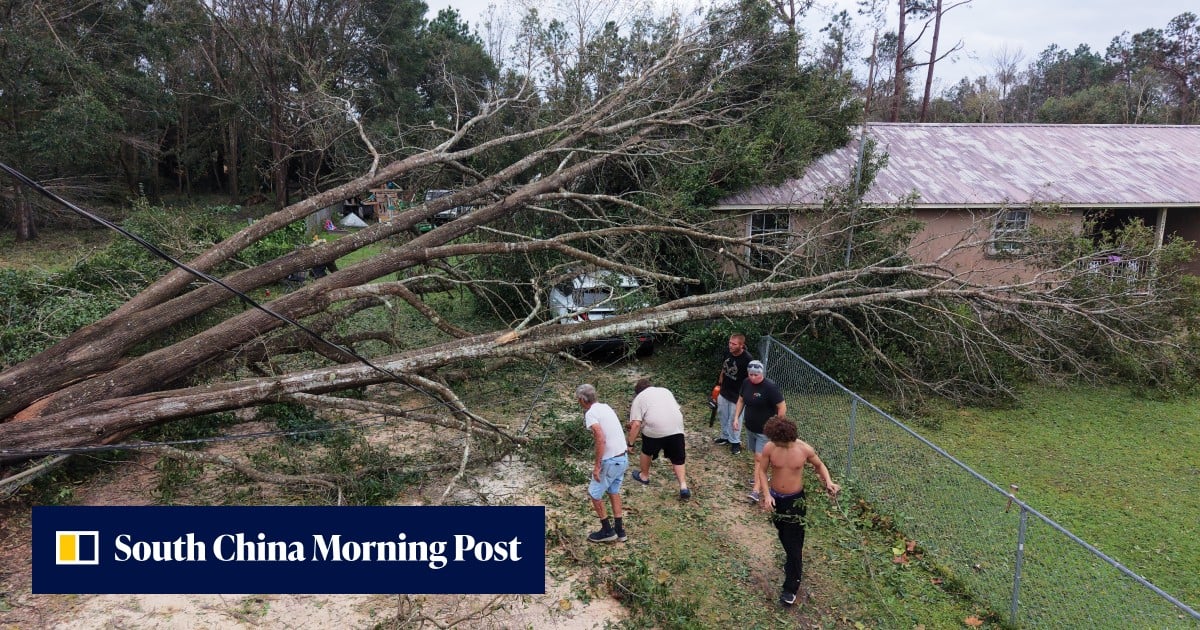
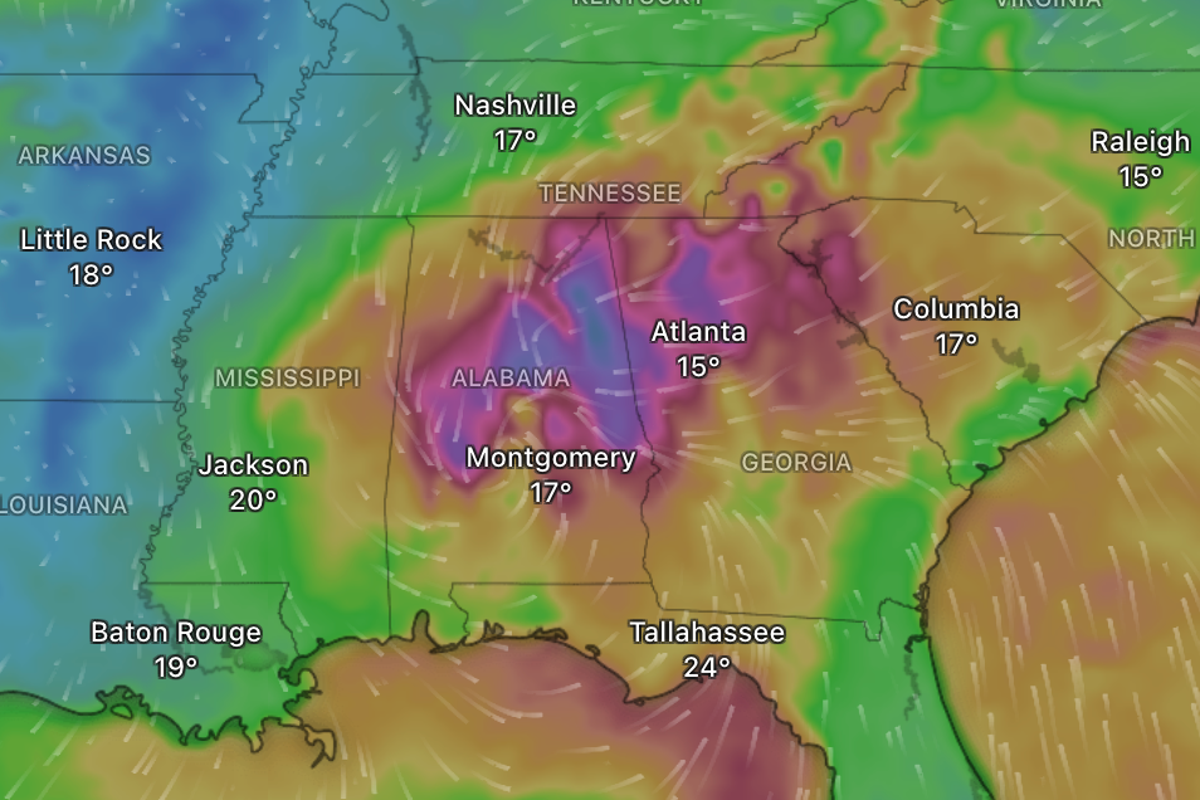
Tropical Storm Isaias formed off the coast of eastern Mexico on October 7, becoming a potential threat to the U.S. Gulf Coast as it was expected to intensify into a hurricane by Thursday, according to the National Hurricane Center (NHC). Initially located around 285 miles west of Progreso, Mexico and approximately 580 miles southwest of the Mississippi River’s mouth, Isaias had sustained winds of 40 mph, moving east-northeast at 8 mph. By late Wednesday evening, it strengthened into a hurricane with maximum sustained winds reaching around 75 mph.
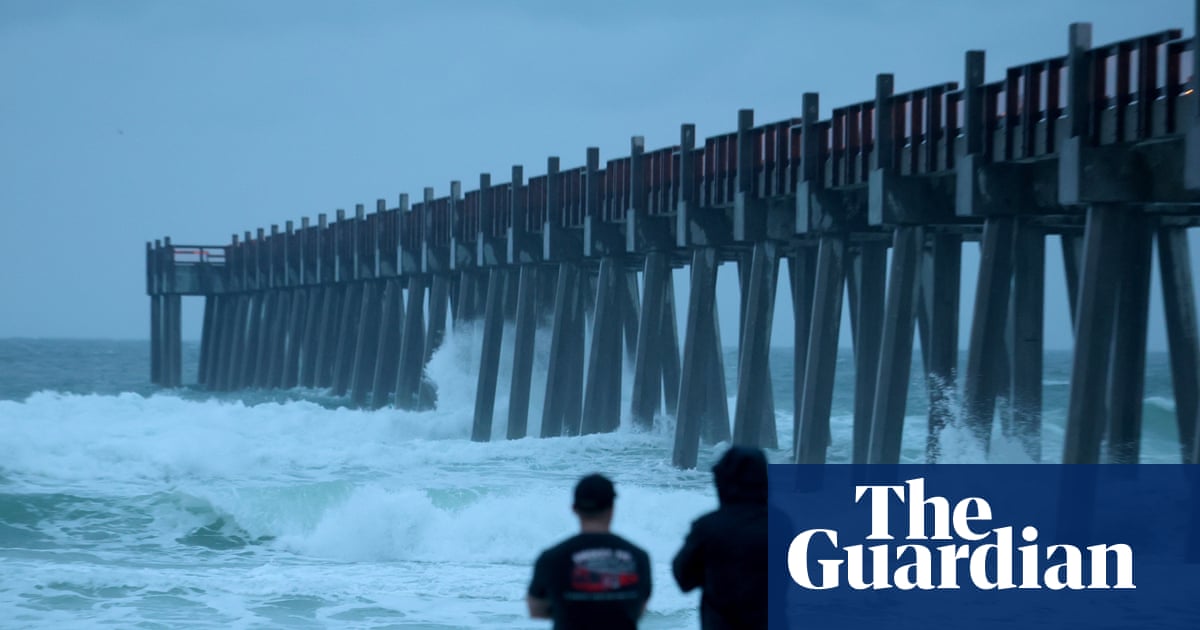
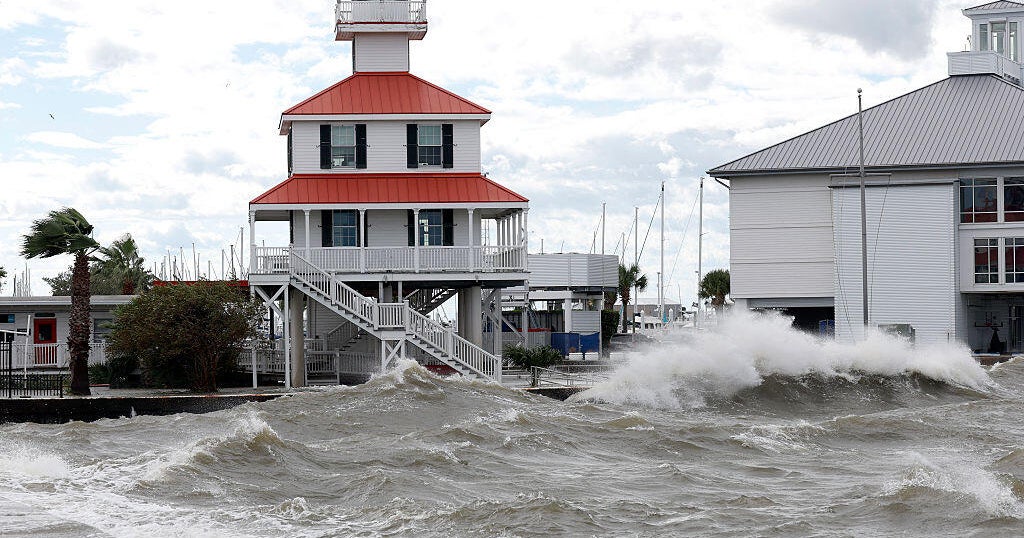
Forecasters predicted that Isaias would make landfall between the Mississippi coast and the Florida Panhandle on Friday or Saturday, posing risks of storm surge, heavy rainfall (up to 7 inches), and potentially flash flooding. The NHC director, Michael Brennan, warned about multiple dangerous impacts along portions of the northern Gulf Coast beginning Friday through the weekend.
Florida Governor Ron DeSantis declared a state of emergency for 25 counties, urging residents from Louisiana to the Florida Panhandle to prepare their hurricane plans. Oil production in offshore areas was affected as companies began precautionary actions due to Isaias' proximity, potentially affecting fuel prices already impacted by global supply issues.