ABC News (AU)
· collected 2026-10-10 · by Lucia Stein and Som Patidar
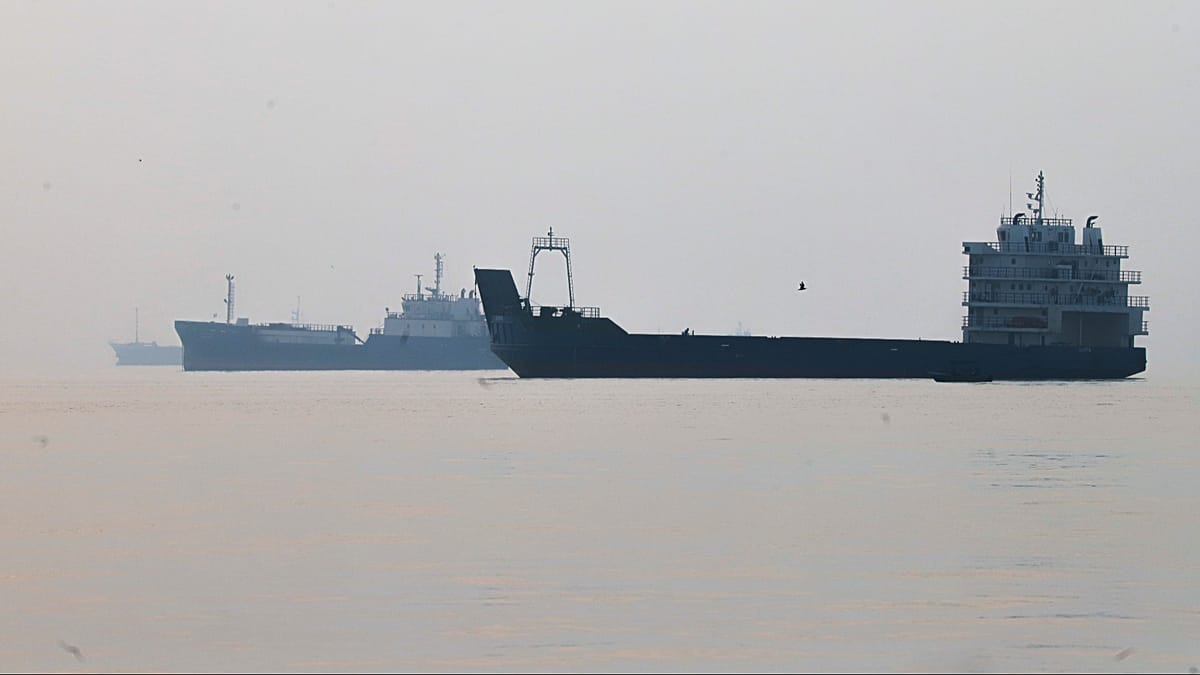
Oil tanker captains in the Persian Gulf are being paid up to $US100,000 (about $143,000) a month to navigate the Strait of Hormuz, industry insiders and maritime unions say, as Iran and the United States continue to impose separate blockades of the critical waterway.
asserted
Iran → pay → waterway
Gulf oil producers are increasingly desperate to get their oil out of the region and onto market after a recent step-up in attacks from Iran's Islamic Revolutionary Guard Corps (IRGC) on tankers attempting to pass the dangerous choke-point.
asserted
producers → get → point
The new wave of assaults on vessels followed reports last month that crude shipments were edging back toward prewar levels, indicating Middle Eastern oil exports were recovering.
asserted
exports → follow → levels
Facebook ads seen by the ABC show some seafarers in Asia have been offered double or triple their pay as well as "danger money" bonuses worth tens of thousands to work in the Gulf.
asserted
seafarers → see → Gulf
The vast sums of money are being used to persuade them to stay on vessels and continue running the strait despite the risk of attack.
asserted
sums → use → attack
"Right now [the captains] are getting paid crazy," Indian marine engineer Harshal Singh told a podcast in late September.
asserted
Singh → pay → September
"A ship captain usually get 15 lakh Rupees per month (about $22,000).
asserted
captain → get → month
Right now in Strait of Hormuz they can make 1 crore rupees (about $143,000) in a month.
asserted
they → make → month
"
Captains receive pay increases while they are in the southern Red Sea and Gulf of Oman, and again during each Hormuz transit, according to Indian union representatives.
uncertain
they → receive → representatives
But the journeys come with substantial risk, with at least 24 seafarers killed in 100 confirmed incidents since the war began, according to the UN's International Maritime Organization.
uncertain
war → come → Organization
In this month alone, the United Kingdom Maritime Trade Operations (UKMTO) has recorded nine incidents of attacks on tankers within the Strait of Hormuz.
asserted
Operations → record → Hormuz
For many shipowners, the risks are being outweighed by revenues reaching levels rarely seen in the industry's recent history.
asserted
revenues → outweigh → history
"They are offering [seafarers] double, sometimes even five times the wages they will get during the transit of Hormuz," Manoj Yadav, the general secretary of the Mumbai-based Forward Seamen's Union of India, told the ABC.
asserted
Yadav → offer → ABC
But unions have warned seafarers are at risk of being exploited and some have very little choice in performing a job that could cost them their lives.
uncertain
that → warn → lives
The ships sailing through the Gulf
The strait's significance has been in the spotlight since Iran placed an effective chokehold on the shipping route, used for 20 per cent of the world's oil and gas trade, at the end of February.
After months of gridlock, the US responded by implementing its own blockade on Iranian shipments through the critical energy artery.
asserted
US → sail → artery
Sailing into the Gulf, loading and coming out again now carries great risk.
asserted
Sailing → sail → risk
While the US intercepts vessels attempting to trade with Iran, the IRGC targets ships sailing in the strait and harasses them, including through drone overflights and surveillance, the US Navy-led Joint Maritime Information Center said last weekend.
asserted
Center → intercept → overflights
It means fewer operators are willing to make the voyage, and transit remains below typical prewar traffic levels, when more than 100 commercial vessels crossed the strait each day.
asserted
vessels → mean → strait
"I think the issue is less [to do with] insurance and more availability of crews that are willing to make that hazardous transit because of a significant amount of attacks," former Australian naval officer Jennifer Parker told the ABC.
asserted
Parker → think → ABC
An increasing number of ships have attempted to get around Iranian controls by taking the south corridor route, which hugs the Omani coast, rather than the north corridor route, which sails close to Iran.
asserted
which → increase → Iran
Ships navigating the strait also take "dark journeys" by travelling at night with their GPS signalling equipment switched off.
asserted
equipment → navigate → night
Marine intelligence companies previously told the ABC some of these dark transits have occurred with the knowledge and permission of Iran via diplomatic-level negotiations.
asserted
some → tell → negotiations
Others have not.
asserted
Others → have → ?
Kpler data shows that in late September transits through the Strait of Hormuz were starting to climb back to the prewar baseline, raising questions about Iran's continued ability to choke off oil flowing through the Strait of Hormuz.
asserted
transits → show → Hormuz
In mid-August US President Donald Trump declared the US Navy had removed or detonated all mines in the Strait of Hormuz, clearing one impediment to vessels navigating the area.
asserted
Navy → declare → area
The US Navy had also begun offering assistance and coverage to ships sailing via the route close to the Omani coast.
asserted
Navy → begin → coast
"It is a layered approach.
asserted
It → layer → ?
Air cover, combat air patrol above Hormuz, with helicopters to be able to intercept drones and ballistic missiles fired at
asserted
helicopters → intercept → drones
shipping,"Ms Parker said.
asserted
Parker → say → ?
"The US are also employing uncrewed service vessels in the Strait of Hormuz for intelligence surveillance and reconnaissance."
asserted
US → employ → surveillance
Reports on the number of ships being guided out by American forces vary greatly.
asserted
Reports → guide → forces
US Secretary of State Marco Rubio said Iran has "lost complete control" of the strait.
asserted
Iran → say → strait
"There's almost as much oil flowing out now as there was before this conflict began," he said on Wednesday.
asserted
he → be → Wednesday
But the IRGC has denied seaborne crude flows in the strait are rebounding.
asserted
flows → deny → strait
Adviser Majid Mirahmadi said a daily average of just 10 ships were transiting the waterway in October against an average of 125 before the war.
asserted
average → say → war
Seafarers offered danger money and threatened, unions say
In one Facebook ad found by the ABC, a professional vessel management company was seen offering prospective seafarers the market rate plus a double-pay bonus to work on a crude oil tanker sailing through the Strait of Hormuz.
asserted
company → offer → Hormuz
Another shipping owner offered second and third officers who signed with them a $US1,500 bonus to work in the Gulf.
asserted
who → offer → Gulf
Commercial ship company Sinokor is believed to be offering some of the highest bonuses and incentives, with Bloomberg reporting it was advertising six months' extra salary if seafarers made a return voyage in the area.
asserted
seafarers → believe → area
The journey would take a month, it said.
asserted
it → take → month
Mr Yadav said while some owners were offering double pay and bonuses to seafarers, not everyone was making money from the war.
asserted
everyone → say → war
…and 8 more, not listed.
 The Aporia