Trump Is Charting a New Course on Iran

The Free Press · collected 2026-09-08 · by Michael Doran
Read the original at The Free Press ↗

Summary

The article discusses a shift in Donald Trump's approach to Iran following the death of Senator Lindsey Graham, who advocated for a more forceful strategy against Tehran. According to the article, Trump was previously considering following Graham's advice, including taking Kharg Island and inflicting significant damage on Iran. However, at the urging of regional allies, Trump stood down from what would have been the largest strike of the war in the summer. The article suggests that some of Graham's political allies believed Trump had lost his nerve by not pursuing a more aggressive course of action against Iran.
Written by the local model on 2026-09-08, using this article's own text rather than the other coverage of the same event (that is the story summary below).

Signals How these are calculated →

Claims extracted
17
claim-shaped sentences
Uncertain
12%
2 of 17 hedged
Leaning
Leans strongly right
of the writing, not the subject
Publisher trust
96.3
red-flag proxy, not a credibility rating
Outlets on this story
63
World
Narrative spread
1
articles carrying this framing
Analyzed 2026-09-08 · how these are computed

AI analysis (generated at analysis time, not now)

Story summary

Iran and the US are engaged in a escalating conflict in the Strait of Hormuz, a key waterway for global oil shipments. On Sunday, Iran claimed it struck an unmanned US Navy vessel that was trying to enter the strait, but the US military denied this, calling it a "total lie". This incident came after the US military said it had struck three Iranian oil tankers in response to missile attacks on two US Navy warships.

The conflict began with US and Israeli attacks on Iran on February 28, but since a ceasefire agreement was announced in June, fighting has persisted. The US has adopted a dual-pronged approach, responding militarily to attacks on the strait while also going after foreign financial institutions that handle Iranian money.

Iran's security chief, Mohsen Rezaei, announced that his country would establish a restricted zone outside the Strait of Hormuz, with ships entering the area being placed on a sanctions list. The US has also taken steps to counter Iran's actions, redirecting 92 commercial vessels, disabling three, and boarding two others to ensure compliance with its blockade.

Former US Defense Secretary Leon Panetta predicted that the conflict would continue for another six months, saying it was a "forever war in the Middle East" that the US risked becoming mired in. Meanwhile, a report from The Straits Times noted that Iran's leverage in the strait may be waning due to an unprecedented economic squeeze by the US, which has cut state revenues and disrupted shipping.

The conflict has resulted in at least five people killed earlier in the week during a US bombardment of southern Iran. The US naval blockade against Iranian ports remains in place, while Tehran continues to maintain control over the Strait of Hormuz, considered the world's most critical oil chokepoint.

Written for “Iran Strait of Hormuz Conflicts” on 2026-09-08, grounded in this article and the 62 other(s) covering the same event.
Why this leaning score
The article's own words the score was based on. Each is quoted verbatim and was checked against the article text before being stored, so you can find it in the original.
Score +0.65 Confidence high
Leaning score +0.65 for article 7073 (high confidence, 3 verified quotes) · logged 2026-09-08

Story

📰 Iran Strait of Hormuz Conflicts
World · 63 article(s) covering the same event. This is the one the site leads with.

How this is being covered How these are calculated →

Article leaning vs. publisher reliability
Source leaning vs. consistency

Compared with similar articles

This article reads leans strongly right and hedges 12% of its claims. Each row says how that neighbour differs.
CBS News
⚖️ leaning not scored 🔴 15% hedged 29 of 197 📰 publisher trust 60
“Both articles describe the same U.S. strikes on Iranian oil tankers, which occurred over the weekend”
TIME
⚖️ Leans right further left than this 🔴 14% hedged 7 of 50 📰 publisher trust 95
“Article A describes a situation as of September 4, while Article B mentions events up to the weekend before September 8”
The Hindu
⚖️ Leans right further left than this 🔴 6% hedged 1 of 18 📰 publisher trust 96
“Both articles report on a single incident where American forces struck Iranian tankers in retaliation for attempted attacks, which occurred over the weekend.”
CBC News
⚖️ Leans right further left than this 🔴 6% hedged 2 of 31 📰 publisher trust 95
“Article A mentions Iran hitting an American ship, while Article B states that American forces struck two Iranian tankers, indicating a different sequence of events”
The Independent
⚖️ Leans right further left than this 🔴 5% hedged 2 of 44 📰 publisher trust 59
“Both articles describe a specific incident where US forces strike two Iranian oil tankers in retaliation for attempted attacks on US ships, which occurred over the weekend and in the Strait of Hormuz”
National Post
⚖️ leaning not scored 🔴 7% hedged 2 of 30 📰 publisher trust 96
“Article A mentions 'U.S. raids last week', implying that the US attacked Iran first, while Article B states that American forces struck Iranian tankers 'in retaliation for attempted attacks on U.S. ships'”
Dawn
⚖️ leaning not scored 🔴 10% hedged 3 of 30 📰 publisher trust 95
“Both articles describe a recent exchange of fire between US and Iranian forces, specifically mentioning strikes on Iranian tankers in the Strait of Hormuz over the weekend.”
Los Angeles Times
⚖️ Leans left further left than this 🔴 11% hedged 5 of 47 📰 publisher trust 95
“Article A mentions approaching six months of war with Iran, while Article B explicitly states that the war has now passed its six-month mark and describes recent incidents, indicating a shared timeline but distinct events”
Al Jazeera
⚖️ Leans left further left than this 🔴 0% hedged 0 of 2 📰 publisher trust 96
“Article A mentions a restricted zone and new shipping route to be announced by Iran, while Article B describes an earlier event of US military striking Iranian tankers in response to attempted attacks”
ABC News (US)
⚖️ Leans strongly right 🔴 0% hedged 0 of 4 📰 publisher trust 95
“Both articles mention American forces striking Iranian tankers in the Strait of Hormuz as a retaliation for attempted attacks on US ships”

Publisher

The Free Press · 63 article(s) · 0 correction(s) detected
No corrections detected for this publisher. That may mean careful reporting, or simply that nothing has been checked.

Who wrote this

Michael Doran
1 article(s) here · 1 carrying a prediction
🔮 In May, he put the theory plainly: “Hurt them more.
2026-09-08 · assertive framing · Trump Is Charting a New Course on Iran
The only article under this byline in the corpus.

Topics

American Iran Iranian Tehran U.S.

Subjects

Graham PERSON · 2× Iran GPE · 2× Tehran GPE · 2× Trump PERSON · 2× U.S. GPE · 2× American NORP · 1× Iranian NORP · 1× Mike Doran PERSON · 1× Tablet ORG · 1× The Editors PERSON · 1×

Narrative

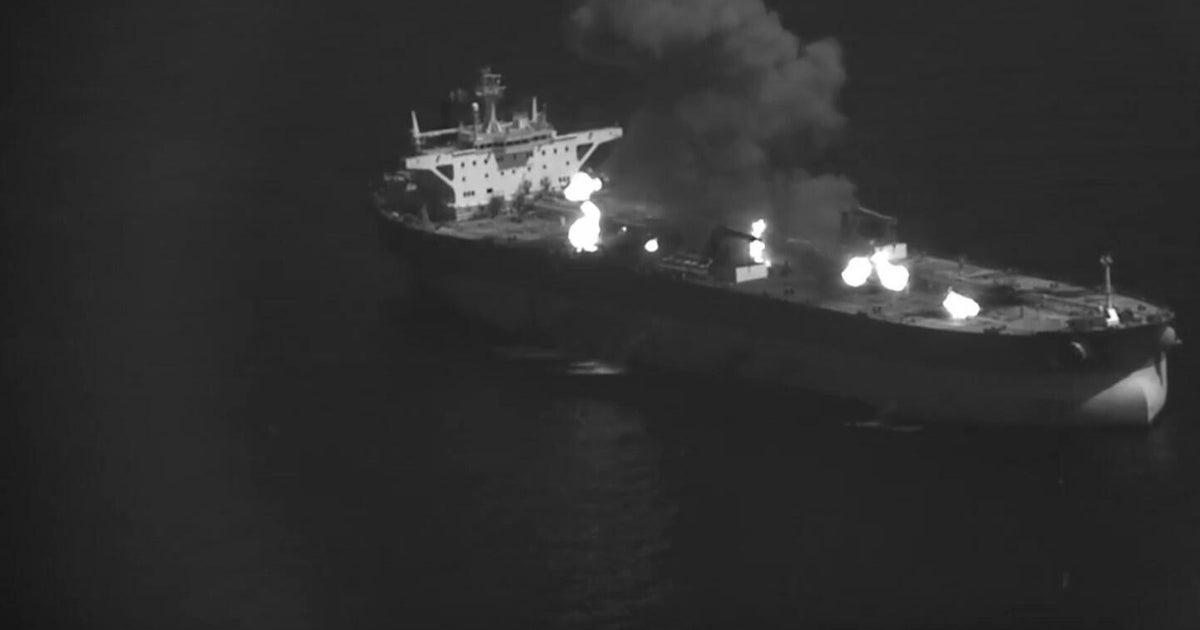
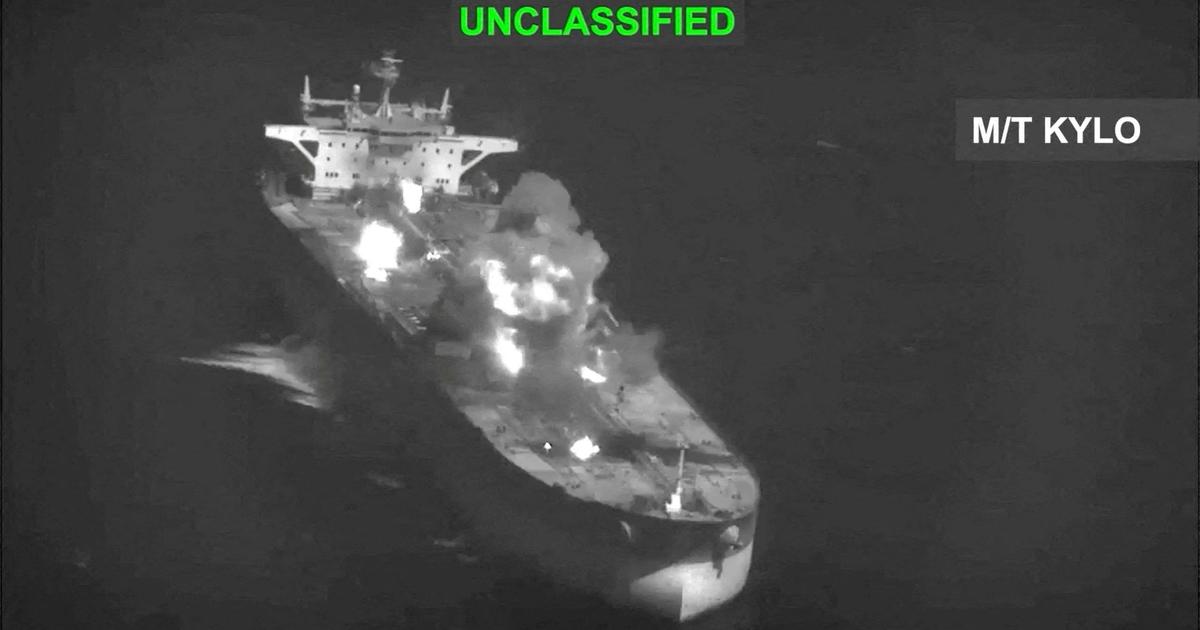
Hostilities abate, then flare up again—most recently over the weekend, with American forces striking two Iranian tankers in the Strait of Hormuz in retaliation for attempted attacks on U.S. ships.
framing: assertive · carried by 1 article(s) · first seen 2026-09-08
🔮 In May, he put the theory plainly: “Hurt them more.
2026-09-08 · The Free Press
Trump Is Charting a New Course on Iran · assertive framing

Claims (17 extracted, 2 hedged)

The war with Iran has now passed its six-month mark. asserted
war → pass → mark
Hostilities abate, then flare up again—most recently over the weekend, with American forces striking two Iranian tankers in the Strait of Hormuz in retaliation for attempted attacks on U.S. ships. asserted
forces → abate → ships
As the war turns hot, then cold, then hot again, one question is on everyone’s minds: What is the president thinking? asserted
president → turn → What
This piece by Mike Doran, first published in Tablet, is an attempt at an answer, and one that—unlike so much that is written on this conflict—generates more light than heat. asserted
that → publish → heat
We’re pleased to run it in our pages. asserted
We → ’re → pages
Lindsey Graham and Donald Trump agreed on the objective: an Islamic Republic stripped of its nuclear program and of the power to hold the region hostage. asserted
Graham → agree → hostage
But they frequently disagreed about how to make Tehran yield. asserted
Tehran → disagree → ?
Graham never wavered. asserted
Graham → waver → ?
More force, he recommended. asserted
he → recommend → force
Three weeks into the war, the senator revealed the advice he had given the president: “Keep it up for a few more weeks, take Kharg Island. . . [and] let this regime die on the vine.” asserted
regime → reveal → vine
In May, he put the theory plainly: “Hurt them more. uncertain
he → put → them
Maybe they’ll make a deal if you hurt them enough.” asserted
you → make → them
And in June, three weeks before his death, he predicted that if Iran contested the Strait of Hormuz, “We will obliterate them.” asserted
We → predict → them
Since last Easter, Trump has repeatedly threatened Tehran in accordance with the late senator’s advice. asserted
Trump → threaten → advice
During the summer, the U.S. military prepared what reportedly would have been the largest strike of the war. uncertain
what → prepare → war
At the urging of regional allies, however, the president again gave the military the order to stand down. asserted
president → give → order
Graham did not live to accept that rejection, but many of his political allies, my friends among them, reached what they considered to be an obvious conclusion: Trump had lost his nerve. asserted
Trump → live → nerve
💬 Give feedback
🕘 History 🎫 Support