Reason
· collected 2026-10-10 · by C. Jarrett Dieterle
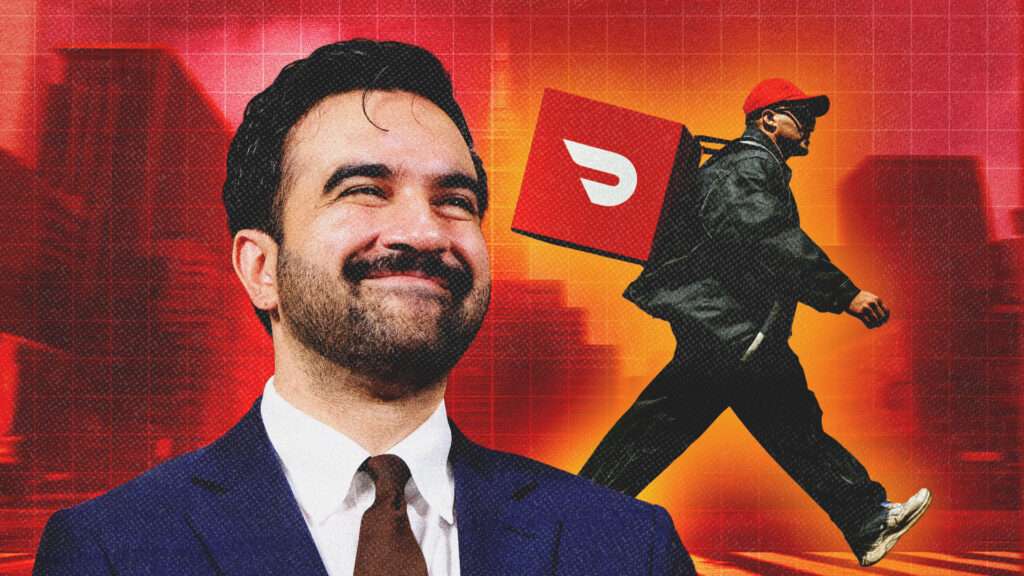
Last month, New York City Mayor Zohran Mamdani announced a $131.5 million settlement with DoorDash for "stealing" delivery driver wages in the Big Apple.
asserted
Mamdani → announce → Apple
The agreement builds on additional settlements from earlier this year with other platforms, all as part of Mamdani's "New Era of Accountability" for gig companies.
asserted
agreement → build → companies
The actual details of the settlement tell a more modest story.
asserted
details → tell → story
While DoorDash did underpay a subset of workers, the average amounts at stake were relatively small.
asserted
amounts → underpay → stake
Instead, the lion's share of the settlement resulted from a dispute over how to precisely calculate driver wages—not from "stealing" wages—under NYC's minimum wage rule for gig work.
asserted
share → result → work
Mamdani may fashion himself as a roving gig-economy sheriff.
uncertain
Mamdani → fashion → sheriff
But when it came to this settlement, the mayor mostly jumped in front of a parade that had already started.
asserted
that → come → parade
The fight dates back to 2023—long before Mamdani took office—when NYC first began investigating DoorDash for alleged underpayment of drivers under the city's minimum wage law for gig work.
asserted
NYC → date → work
City staffers reviewed 152 million DoorDash transactions during the investigation, which finally concluded this year.
asserted
which → review → investigation
The top-line settlement number of $131.5 million deserves a closer look, as well.
asserted
number → deserve → look
Of this sum, $12.3 million relates to delivery drivers who were underpaid or paid late.
asserted
who → relate → drivers
According to DoorDash, many of these underpayments were due to technical issues within the app or more complex deliveries that crossed city boundaries or were canceled mid-trip.
uncertain
that → accord → boundaries
In other situations, drivers themselves provided inaccurate banking information to the company.
asserted
drivers → provide → company
The bulk of the settlement—$83 million—stemmed from the disagreement over how, exactly, to calculate driver pay.
asserted
bulk → stem → pay
Under city law, for example, drivers must be compensated for so-called "idle time" between deliveries, but DoorDash disagreed on whether the government's rules would apply to drivers who spent part of that time located outside the city (such as in New Jersey).
asserted
who → compensate → Jersey
DoorDash argues that its method was "fair, practical, and legal," but that it still chose to settle "rather than spend years fighting over whose method was right."
asserted
method → argue → years
To be sure, some drivers were significantly impacted by DoorDash's underpayments, with the city reporting that 700 workers were owed more than $10,000 each.
asserted
workers → impact → 10,000
"Simply put, we screwed up," the company said in a statement.
asserted
company → put → statement
"While these mistakes weren't intentional, that doesn't make them okay."
asserted
them → make → ?
But it also bears noting that less than 1 percent of payments to delivery drivers were impacted.
asserted
percent → bear → drivers
Sixty-five percent of the affected drivers were underpaid by $1 or less (although DoorDash will pay each impacted driver a minimum of $10 regardless).
asserted
DoorDash → affect → 10
This didn't stop Mamdani from declaring: "City Hall will not sit idly by while a megacorporation that made nearly a billion dollars in profits last year rips off the working people who keep our city moving."
What's lost in Mamdani's statement is the conflation of actual underpayments with the aforementioned confusion over NYC's wage formula.
asserted
lost → stop → formula
As the Manhattan Institute's Santiago Vidal put it: "Mamdani combined the admitted cases of payment failure with the disputed on-call calculation into a broad anti-capitalist narrative—and called it corporate wage theft."
Not all of the money from the settlement is even going toward drivers.
asserted
all → put → drivers
Over $16 million from the settlement comes in the form of penalties that will flow to the city's coffers.
asserted
that → come → coffers
From this, $4.3 million is set aside for a compliance fund that will support the Workers Justice Project, an NYC labor interest group, as well as Princeton's pro-union Workers' Algorithm Observatory.
asserted
that → set → Project
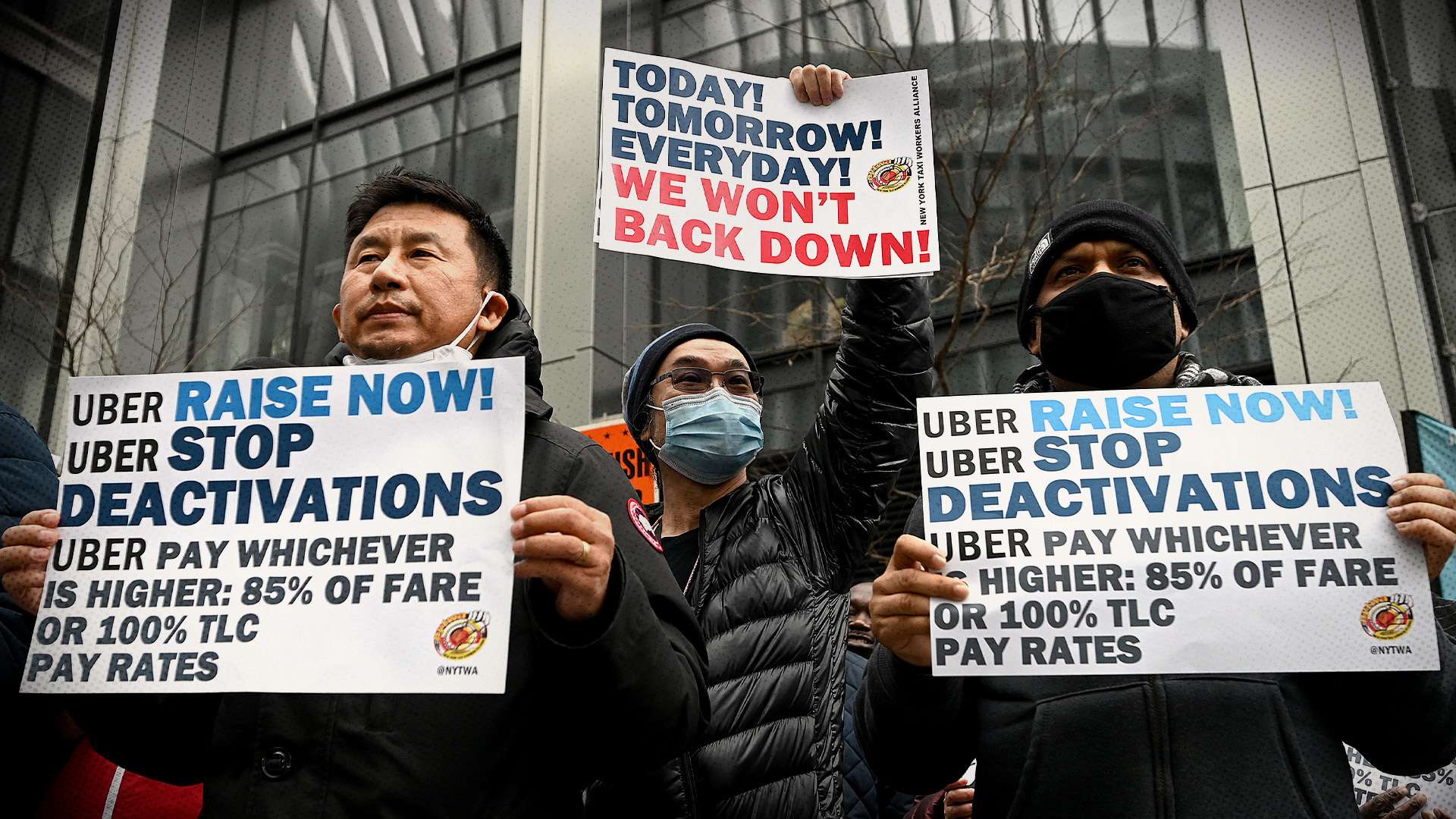
Mamdani's DoorDash settlement mirrors elements of the city's settlement with UberEats earlier this year.
asserted
settlement → mirror → UberEats
In that case, which again had preceded Mamdani, the city itself admitted that Uber Eats had been "mostly compliant" with the law and that underpayments stemmed from canceled orders.
asserted
underpayments → precede → orders
Nonetheless, in the settlement announcement, Mamdani again made use of the moment.
asserted
Mamdani → make → moment
"If you break the law and profit from exploitation," he said, "you will be held accountable, swiftly and directly."
asserted
you → break → exploitation
Mamdani's bluster also overlooks the fact that NYC's minimum wage law for delivery work has created a host of negative consequences for both consumers and workers in Gotham.
asserted
law → overlook → Gotham
In the wake of the law, the number of delivery drivers in the city fell, delivery costs increased, and some 27,000 New Yorkers were locked out of the delivery market entirely due to platforms moving toward "arranged scheduling" models.
asserted
platforms → fall → models
During his time in office, Mamdani has proven deft at repackaging previously-started investigations—and legitimate disputes over wage formulas—into narratives of cracking down on rampant corporate greed and wage theft.
asserted
Mamdani → prove → greed
He has proven himself to be masterful when it comes to messaging.
asserted
it → prove → messaging
Which is all the more reason for New Yorkers to review the fine print before buying this act.
asserted
Yorkers → review → act
 The Aporia