That is 0 articles you have read today.
The Aporia is free and carries no advertising, so readers are the only
thing paying for it. If you are getting this much out of it, a small
donation is what keeps it independent.
Daily limit reached
You have read 0 articles today.
That is more than the 15 a day The Aporia gives away,
and well past what it can carry on nothing. Your allowance resets at
midnight.
There is no advertising here and nothing about you is sold, so readers
are the only thing paying for it. If the site is worth this much of
your day, it is worth a few dollars.
Everything else stays open: the
maps, the
directory and
search do
not count against this, and neither does re-opening something you have
already read today.
The Supreme Court of Pakistan released its report titled “Journey Through Reform and Innovation 2026,” detailing reforms implemented from November 2024 to September 2026. The report outlines an 86-point action plan focusing on case management improvements, reduction in pending cases, digital advancements, and enhanced public access to justice. Key achievements include increased case disposals and the establishment of Model Trial Courts, demonstrating progress toward a more efficient and transparent judicial system.
Written locally by qwen2.5:14b on 2026-10-10,
using this article's own text rather than the other coverage of the
same event (that is the story summary below).
Story summary
The Supreme Court of Pakistan released a report titled "Journey Through Reform and Innovation 2026," documenting its reforms from November 2024 to September 2026. The report highlights improvements in case management, reduction in the backlog of cases, digital transformation, and increased accountability and public access to justice. It details an 86-point Reform Action Plan supported by dedicated working groups and regular reviews. Key achievements include a significant increase in case disposals, expanded digital services, and stronger data-driven monitoring. The report also notes initiatives such as the establishment of Model Trial Courts and responsible use of artificial intelligence through the National Judicial (Policy Making) Committee.
Written for “Supreme Court Reform Report” on 2026-10-10,
grounded in this article and the 0 other(s) covering the same event.
Why this leaning score
This article does not take a side on a contested political
question, so it has no leaning score. That is an
answer rather than a gap: a match report or a rescue can be warmly
or critically written without being left or right, and scoring it
anyway is how approval of a subject gets recorded as a political
position.
No political leaning scored for article 70084 · logged 2026-10-10
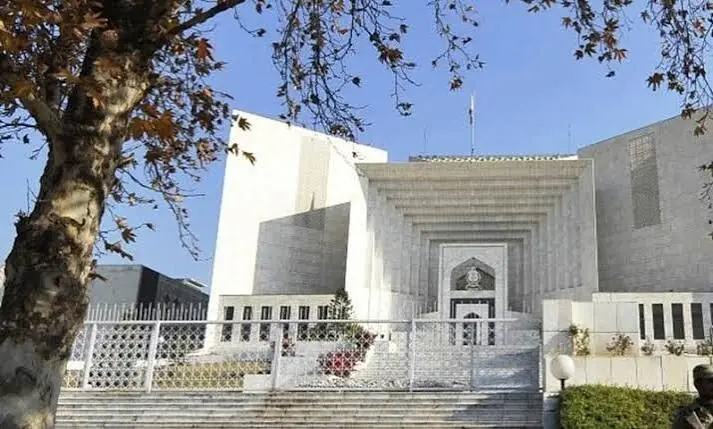
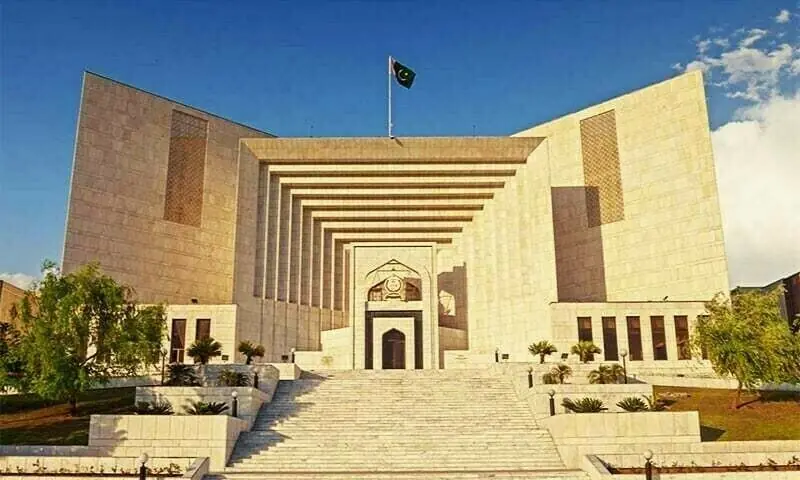
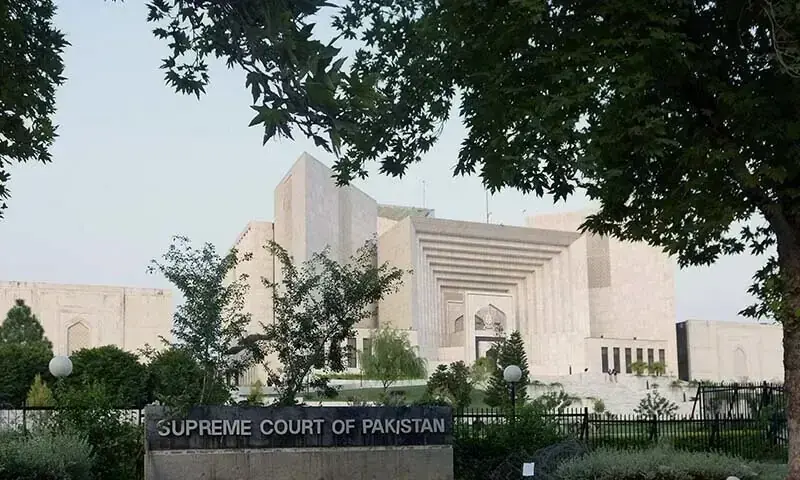
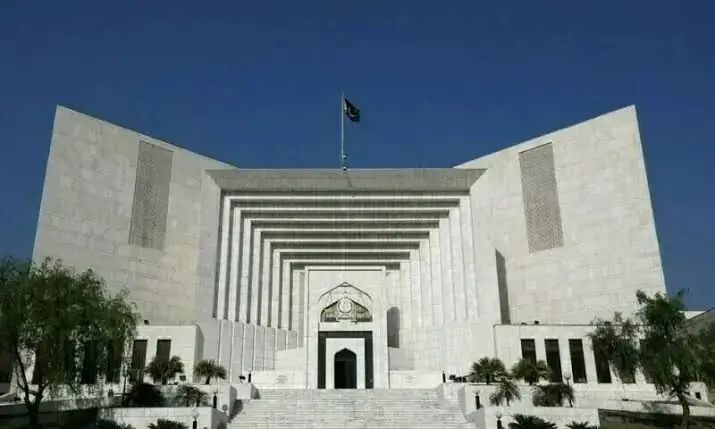
The Supreme Court of Pakistan (SC) has released its report, “Journey Through Reform and Innovation 2026”, documenting the judicial and institutional reforms undertaken from November 2024 to September 2026.
asserted
Court → release → September
The report provides a comprehensive account of the SC’s reform efforts, highlighting progress in case management, reducing the backlog of pending cases, digital transformation, institutional accountability and public access to justice.
asserted
report → provide → justice
It documents the implementation of an 86-point Reform Action Plan, supported by a structured governance mechanism, dedicated working groups and regular reviews of reform initiatives.
asserted
It → document → initiatives
The report also records measurable progress in judicial performance, including a substantial increase in case disposals, greater focus on long-pending cases, expanded digital services and stronger data-driven performance monitoring.
It also highlights key national initiatives advanced through the National Judicial (Policy Making) Committee, including time-bound disposal of prioritised cases, establishment of Model Trial Courts, responsible use of artificial intelligence and the development of judicial analytics.
asserted
It → record → analytics
Significant progress has also been made in modernising judicial procedures, improving access to court services and strengthening institutional collaboration.
asserted
progress → make → collaboration
The report further documents initiatives aimed at facilitating litigants, enhancing transparency, expanding international judicial cooperation and promoting a more responsive justice system.
asserted
report → document → system
The document serves as an institutional record of the reform process, capturing both measurable achievements and the continuing work required to strengthen the efficiency, accessibility, predictability and responsiveness of justice delivery in Pakistan.
asserted
document → serve → Pakistan
 The Aporia