The Aporia
The Aporia
The Aporia

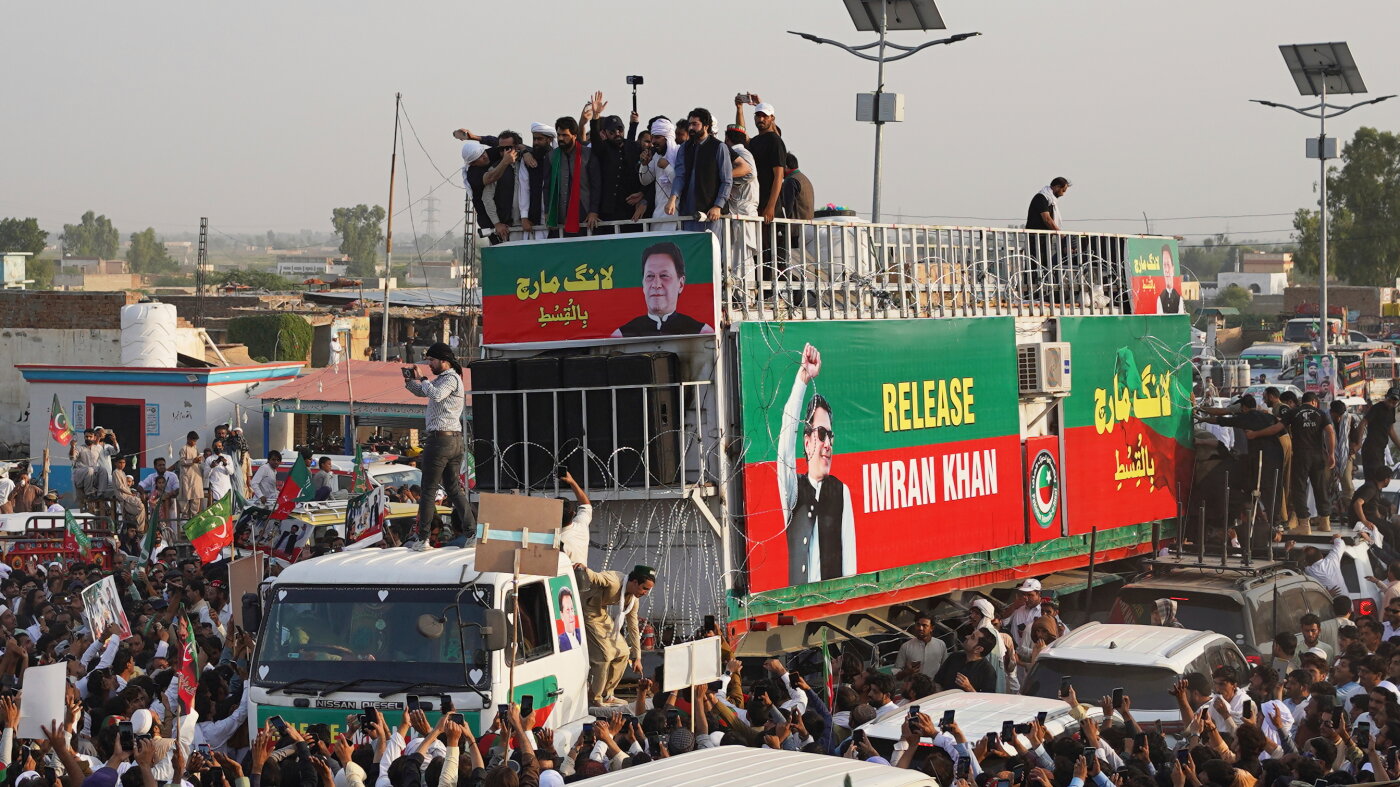
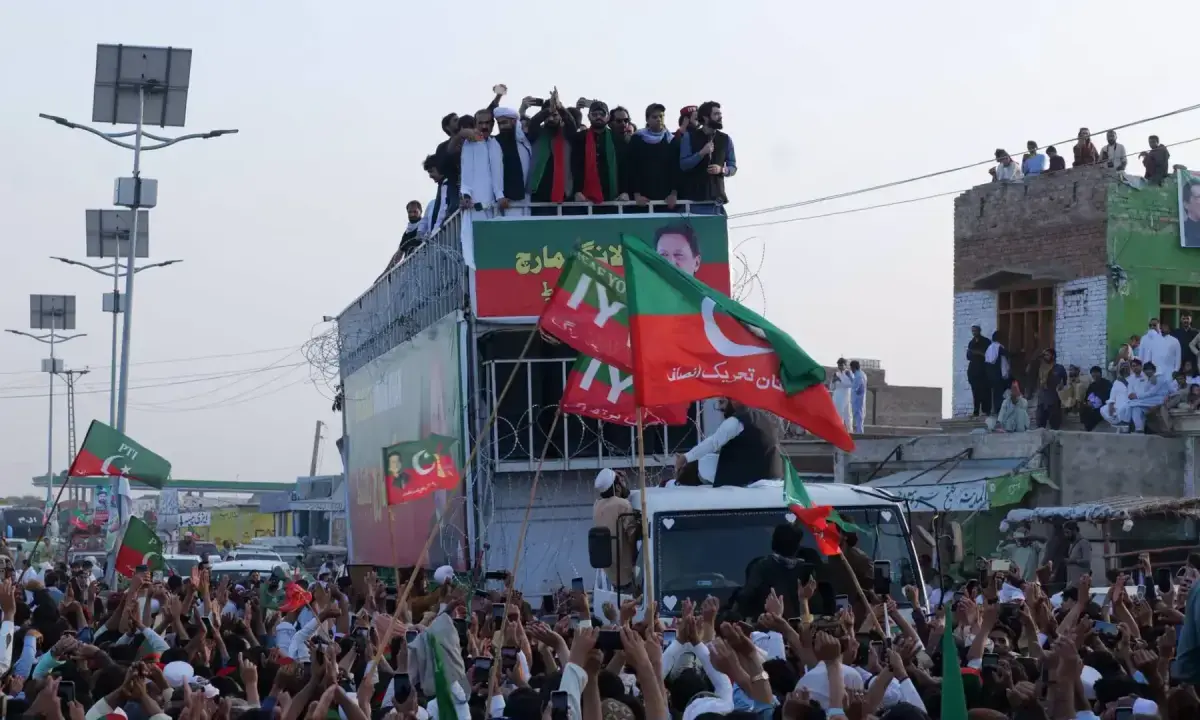
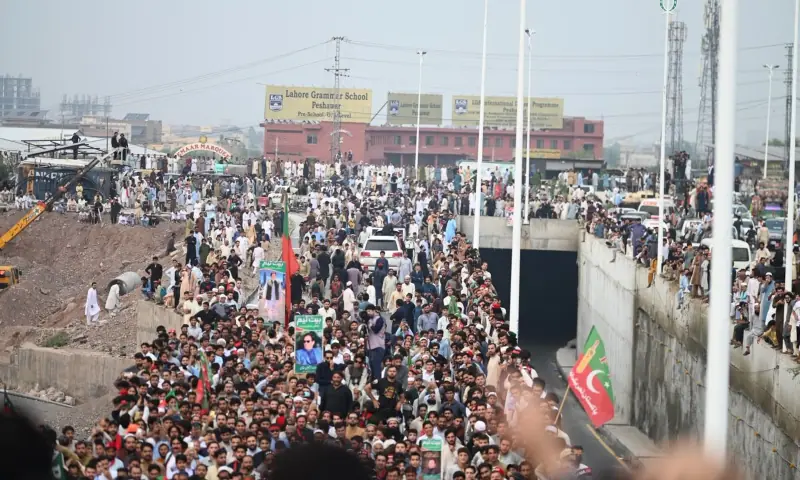
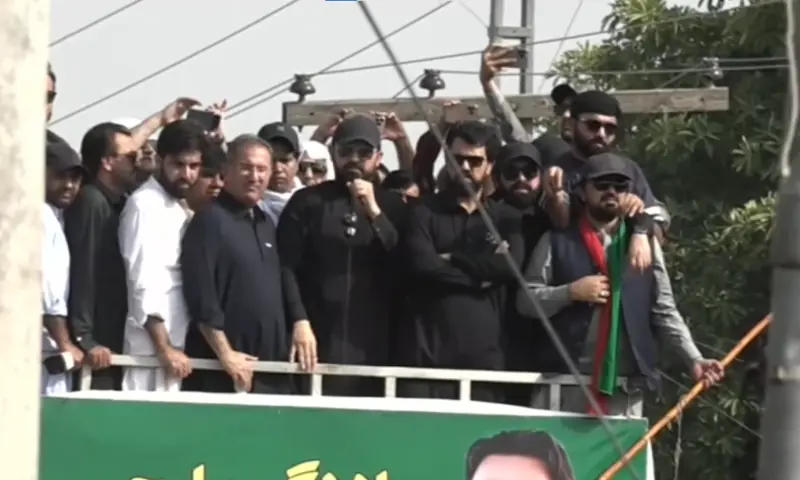
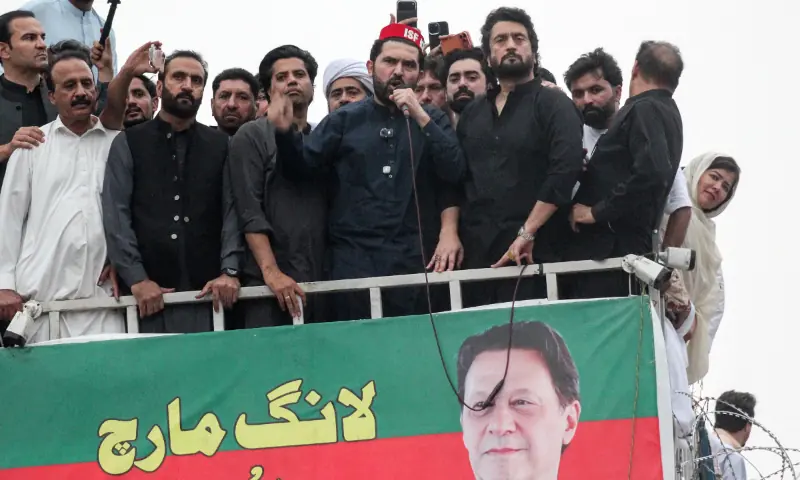
Sohail Afridi, the Khyber Pakhtunkhwa chief minister, remained defiant and committed to leading a PTI protest march towards Islamabad on October 4th. Despite warnings from the federal government about imposing governor's rule or declaring an emergency due to security concerns, Afridi insisted that the march would proceed as planned. The PTI seeks the release of its jailed founder, former Prime Minister Imran Khan, and demands his transfer to a hospital for medical treatment. Negotiations between the opposition party and the government failed on October 3rd, with both sides unable to reach an agreement. Strict security measures were put in place for the march, including large police contingents and bomb disposal squads along the route from Lakki Marwat to Gandi Chowk on the Peshawar-Karachi Indus Highway. Information Minister Attaullah Tarar criticized Afridi's use of a state helicopter for political purposes, describing it as a violation of court orders. PTI supporters gathered in Dera Ismail Khan, with leaders stressing the importance of maintaining peace and discipline during the march. Despite these preparations, there were concerns about potential clashes and disruptions along the route towards Islamabad. The government has warned protesters they will not be allowed to enter Islamabad. Thousands of Imran Khan's supporters are set to join the march over several days in a bid to demand his release from prison. However, strict security measures and tensions between political factions could result in significant challenges during the march's progression. As of now, the PTI march is underway with Afridi leading from the front. The outcome remains uncertain as both sides continue their standoff, potentially leading to further political turbulence in Pakistan. Ali Amin Gandapur, a former chief minister, also joined the protest, urging supporters to remain peaceful and avoid any confrontations with law enforcement. Despite these calls for calm, the march is expected to be a significant test of resolve between opposing political forces in Pakistan. The government's refusal to negotiate further has increased tensions, suggesting that the protest may escalate if demands are not met. As such, there is an ongoing risk of conflict and civil unrest as supporters continue their journey towards Islamabad under tight security scrutiny. This situation highlights the deepening political divide within Pakistan amid calls for political reform and justice for imprisoned leaders like Imran Khan. The march also underscores the resilience of his party and its commitment to pursuing change through peaceful means, despite considerable opposition from government forces and critics who argue against such protests. Overall, the PTI march represents a pivotal moment in Pakistani politics, with potential ramifications extending beyond immediate demands for Khan's release into broader issues of governance and democracy. The situation remains fluid, with ongoing negotiations and security measures likely to shape the future political landscape in Pakistan. The march is expected to continue through Lakki Marwat on its way towards Islamabad. Despite assurances from party leaders about maintaining peace, there are concerns over potential clashes and disruptions along the route due to strict government-imposed restrictions. Tariq Saad, special assistant to the KP chief minister for Home and Tribal Affairs, confirmed that PTI workers from southern districts would join the march, emphasizing its peaceful nature despite security challenges. The march's progression through Lakki Marwat marks a critical phase as protesters move closer to Islamabad, with both sides bracing for potential conflicts amidst heightened tensions and strict government measures aimed at preventing the protest from reaching its intended destination. This situation underscores the ongoing political struggle in Pakistan, where deep-seated divisions continue to impact national stability and governance dynamics.