That is 0 articles you have read today.
The Aporia is free and carries no advertising, so readers are the only
thing paying for it. If you are getting this much out of it, a small
donation is what keeps it independent.
Daily limit reached
You have read 0 articles today.
That is more than the 15 a day The Aporia gives away,
and well past what it can carry on nothing. Your allowance resets at
midnight.
There is no advertising here and nothing about you is sold, so readers
are the only thing paying for it. If the site is worth this much of
your day, it is worth a few dollars.
Everything else stays open: the
maps, the
directory and
search do
not count against this, and neither does re-opening something you have
already read today.
On Friday, October 9, 2026, Brazil’s President Lula announced fuel tax cuts and extended subsidies to lower fuel prices ahead of a presidential runoff vote on October 25. The measures include eliminating federal taxes on gasoline imports for 30 days and providing additional diesel subsidies, totaling 1.40 reais ($0.28) per liter in addition to the existing subsidy of 2.12 reais ($0.42). These actions aim to stabilize fuel supplies amid escalating international tensions from the Iran war and rising oil prices.
Written locally by qwen2.5:14b on 2026-10-10,
using this article's own text rather than the other coverage of the
same event (that is the story summary below).
Story summary
Brazilian President Luiz Inácio Lula da Silva’s government announced new measures on October 9, 2026, to cut fuel taxes and extend subsidies aimed at lowering prices ahead of the presidential runoff vote. The decision comes two weeks before the October 25 election where voters will choose between Senator Flávio Bolsonaro, son of former President Jair Bolsonaro, and grant Lula a fourth nonconsecutive term. In the first round on October 4, Bolsonaro received about 2 million more votes than Lula.
The new decree eliminates federal taxes on gasoline imports and sales for 30 days, extending previous measures that expired on the same day. Additionally, it extends a tax exemption and increases subsidies for ethanol. The government will provide an additional subsidy of 1.40 reais ($0.28) per liter to diesel importers for 30 days, in addition to the existing 2.12 reais ($0.42) per liter subsidy.
Fuel prices are a critical issue influencing voter sentiment ahead of the runoff election.
Written for “Brazil Fuel Price Cut” on 2026-10-10,
grounded in this article and the 1 other(s) covering the same event.
Why this leaning score
The model judged this article politically coded and scored it -0.35, but all 2 of its quote(s) are attributed speech - words the article quotes from someone, not the article's own narration, so the score is not published.
Written under an earlier scoring contract, which gave a paragraph
rather than checkable quotes. Re-analysing this article replaces it.
Leaning score withheld for article 69991: attributed speech only · logged 2026-10-10
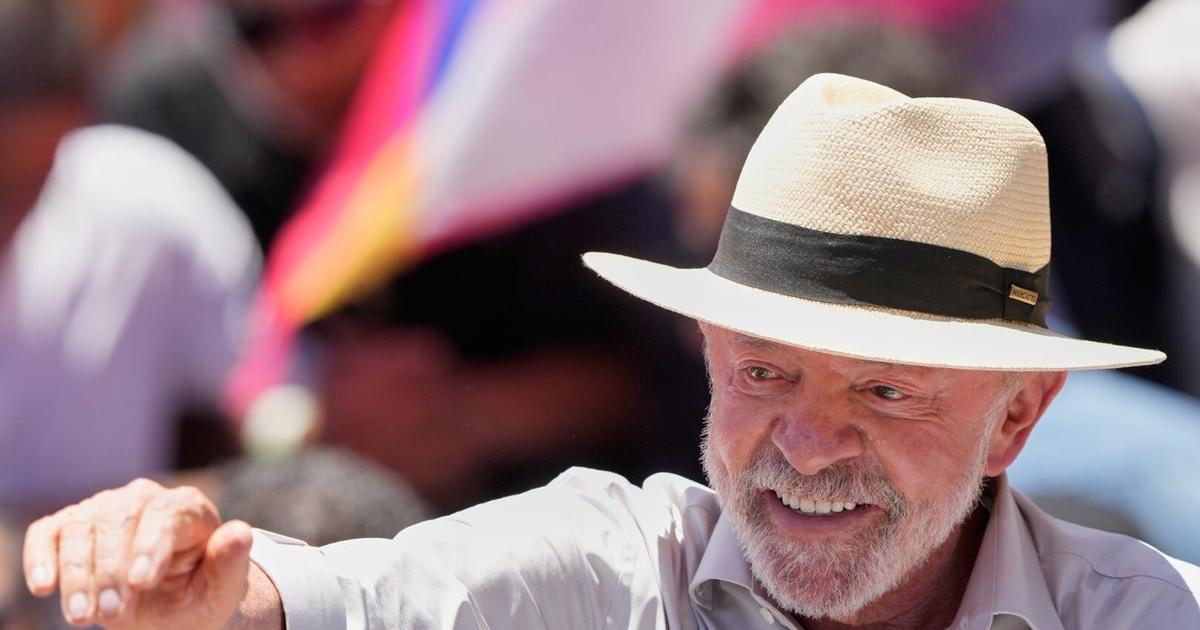
Brazilian President Luiz Inácio Lula da Silva's government on Friday (October 9, 2026) announced new fuel tax cuts and extended existing subsidies aimed at lowering fuel prices, just over two weeks before a closely contested presidential runoff.
asserted
government → announce → runoff
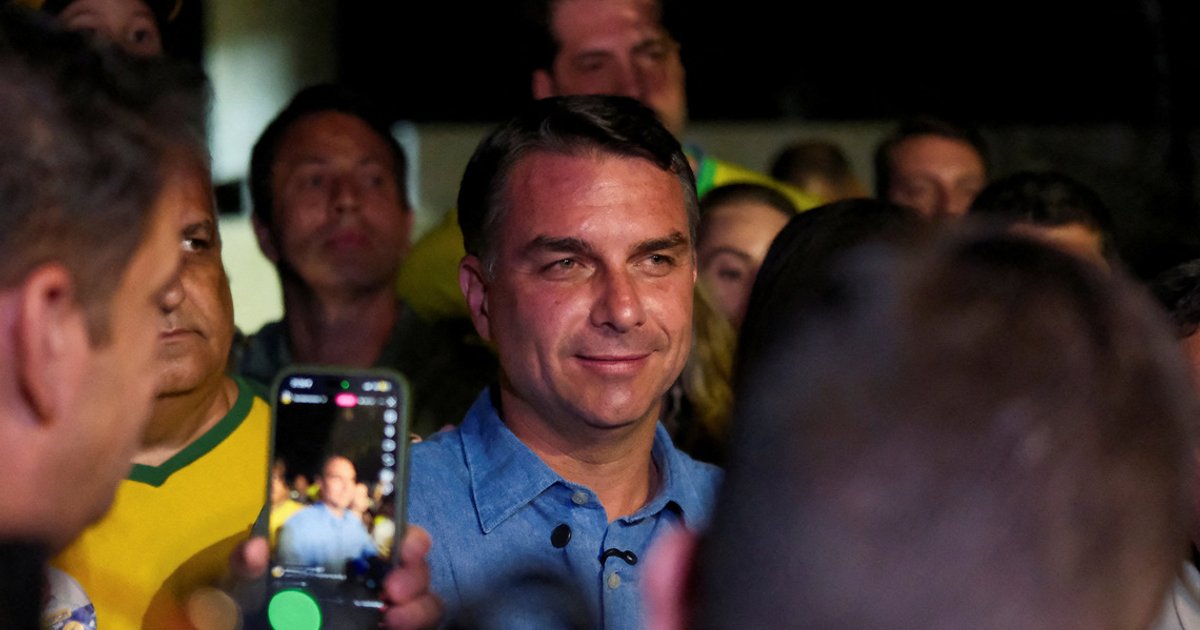
Fuel prices are a particularly sensitive issue for voters, who will decide on October 25 whether to elect Sen. Flavio Bolsonaro, the son of former President Jair Bolsonaro, or grant Mr. Lula a fourth, nonconsecutive term.
asserted
who → decide → term
Mr. Bolsonaro received about 2 million more votes than Mr. Lula in Sunday's (October 4, 2026) first round.
asserted
Bolsonaro → receive → round
A new decree eliminates federal taxes on the import and sale of gasoline for 30 days, with the possibility of an extension.
asserted
decree → eliminate → extension
The measure is effective from Friday (October 9, 2026), the same day previous measures that lowered taxes expired.
asserted
that → lower → taxes
It extends a tax exemption and increases a subsidy for ethanol.
asserted
It → extend → ethanol
The government also said it would provide an additional subsidy to importers of diesel, who will receive 1.40 reais ($0.28) per liter for a period of 30 days.
asserted
who → say → days
“The aim is to ensure that imports remain economically viable at a critical time for fuel supply,” the government's secretariat for social communication said, adding that the measures were in line with the strategy adopted by the government since the start of the Iran war.
asserted
measures → ensure → war
The fiscal impact of the measures will be offset by the revenues from the federal government's oil assets, it added.
asserted
it → offset → assets
Crude oil prices shot up shortly after Israel and the U.S. began their war with Iran in late February, largely because the fighting halted most shipping through the Strait of Hormuz, a narrow waterway where roughly a fifth of the world's oil supply passed before the conflict.
“The international situation has deteriorated since the measures announced in September,” the government said, adding that international diesel and gasoline refining margins had risen to more than double their pre-war levels.
asserted
margins → shoot → levels
Brazil is a major producer and exporter of crude oil, and its revenues from the sector have surged this year due to the hike in international prices.
asserted
revenues → surge → prices
But the country still relies on imports to meet domestic demand for refined fuels.
asserted
country → rely → fuels
Stabilizing diesel prices is also critical to prevent truck driver strikes and keep food inflation in check.
asserted
Stabilizing → stabilize → check
In 2018, a truckers' strike caused food prices to spike, left grocery market shelves and gas stations depleted, and caused billions in losses, underscoring the power of organized truckers.
asserted
prices → cause → truckers
 The Aporia