Oil importers less vulnerable to supply shocks than expected

Semafor · collected 2026-09-08 · by Tim McDonnell
Read the original at Semafor ↗

Summary

Barclays analysts claim that oil-importing countries are less vulnerable to supply disruptions than previously thought, with diversification being a key factor in securing them against supply shocks. A new report by E3G highlights the risk of declining state revenue for major oil exporters due to contracting global demand. The E3G paper argues that this shift could lead to "geo-economic bullying" as producers compete for access to shrinking markets. Key figures and institutions involved include Barclays analysts, the research group E3G, and unspecified major oil exporters.
Written by the local model on 2026-09-08, using this article's own text rather than the other coverage of the same event (that is the story summary below).

Signals How these are calculated →

Claims extracted
4
claim-shaped sentences
Uncertain
75%
3 of 4 hedged
Leaning
withheld
no quote in the article backed the model's score
Publisher trust
96.0
red-flag proxy, not a credibility rating
Outlets on this story
1
World
Narrative spread
1
articles carrying this framing
Analyzed 2026-09-08 · how these are computed

AI analysis (generated at analysis time, not now)

Story summary

Barclays analysts have found that most oil-importing countries are less vulnerable to supply disruptions than previously thought, with diversification being a key factor in mitigating the risks of geo-economic bullying. This comes as global demand for oil begins to contract, which could lead to declining state revenue for major oil exporters. According to a report by E3G, this decline in revenue brings significant security risks that countries are not yet acknowledging or preparing for. The shift in focus is from maritime shipping lanes being the main chokepoint, to other areas such as access to markets, trade routes, and sanctions regimes becoming more important. In fact, the most recent evidence suggests that oil-importing countries have become less economically vulnerable since the war began, with diversification being a key factor in securing them against disruptions.


Written for “Global Energy Market Resilience” on 2026-09-08, grounded in this article and the 0 other(s) covering the same event.
Why this leaning score
The model judged this article politically coded and scored it +0.35, but every quote it verified points left, so the score is not published.
Written under an earlier scoring contract, which gave a paragraph rather than checkable quotes. Re-analysing this article replaces it.
Leaning score withheld for article 6980: score contradicts its own evidence · logged 2026-09-08

Story

📰 Global Energy Market Resilience
World · 1 article(s) covering the same event. This is the one the site leads with.

How this is being covered How these are calculated →

Article leaning vs. publisher reliability
Source leaning vs. consistency

Compared with similar articles

This article reads unscored and hedges 75% of its claims. Each row says how that neighbour differs.
OPEC’s new threat comes from within different event · 90%
Semafor
⚖️ Leans right 🔴 9% hedged 4 of 44 📰 publisher trust 96
“Article A discusses OPEC's internal divisions and market share concerns, while Article B focuses on the vulnerability of oil-importing countries to supply disruptions”
South China Morning Post
⚖️ Leans left 🔴 20% hedged 2 of 10 📰 publisher trust 94
“Article A discusses fuel and petrochemical prices outpacing crude, while Article B focuses on oil importers' vulnerability to supply shocks, without mentioning the same specific topic or incident”
Semafor
⚖️ Leans strongly left 🔴 0% hedged 0 of 19 📰 publisher trust 96
“Article A discusses a research paper by E3G on oil importers being less vulnerable to supply shocks, while Article B mentions an interview with TotalEnergies CEO Patrick Pouyanné about navigating political risk in the oil business, but does not mention the same specific event or occurrence”
Al Jazeera
⚖️ leaning not scored 🔴 13% hedged 7 of 55 📰 publisher trust 96
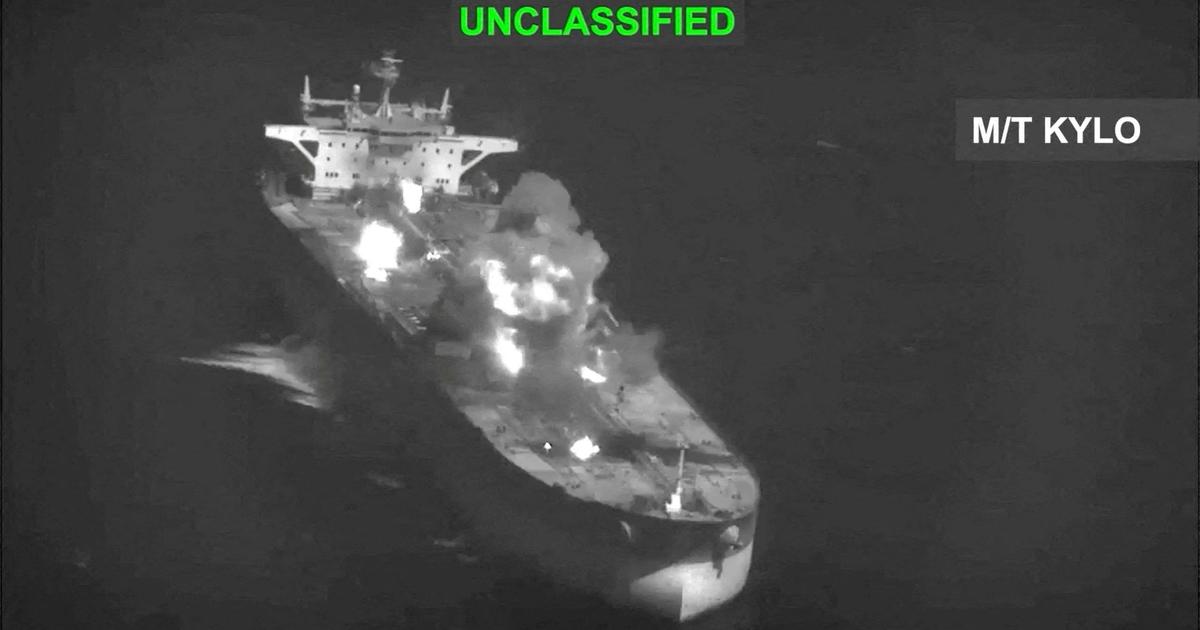
“Article B discusses the broader implications and economic impact of the tanker war, while Article A describes a recent escalation in tit-for-tat attacks between the US and Iran”
Semafor
⚖️ Leans right 🔴 0% hedged 0 of 4 📰 publisher trust 96
“Article A describes an incident where the US and Iran trade attacks on oil tankers, while Article B discusses a broader topic of global oil market vulnerability to supply disruptions, mentioning the recent incidents but not focusing on the same specific event”
Semafor
⚖️ Leans left 🔴 20% hedged 6 of 30 📰 publisher trust 96
“Article A discusses global oil market vulnerability, while Article B is about Venezuela's relationship with OPEC and its historical context”

Publisher

Semafor · 134 article(s) · 0 correction(s) detected
No corrections detected for this publisher. That may mean careful reporting, or simply that nothing has been checked.

Who wrote this

Tim McDonnell
3 article(s) here · 1 carrying a prediction
🔮 But he still won’t put its money anywhere that lacks “an economic framework and ecosystem where we feel comfortable” — a description he’s willing to apply to Iraq, for example, but not yet to Venezuela.
2026-09-08 · assertive framing · Oil executives are anxious about Venezuela
🔮 Maritime shipping lanes may not be the most important chokepoint facing the global oil market.
🔮 “Having a firm that can be nimble from leadership down is what will make you successful or not.”
2026-09-06 · assertive framing · Big Law sees a gold mine in data centers
More on this subject from Tim McDonnell
Oil executives are anxious about Venezuela
2026-09-08 · Semafor · 62% similar
All 3 articles by Tim McDonnell →

Topics

Barclays

Subjects

Barclays ORG · 1×

Narrative

“In the oil endgame, security architecture will increasingly determine which producers can access shrinking markets, which trade routes remain insurable, which sanctions regimes hold, and how producer fragility is contained.”
framing: speculative · carried by 1 article(s) · first seen 2026-09-08
🔮 Maritime shipping lanes may not be the most important chokepoint facing the global oil market.
2026-09-08 · Semafor
Oil importers less vulnerable to supply shocks than expected · speculative framing

Claims (4 extracted, 3 hedged)

Maritime shipping lanes may not be the most important chokepoint facing the global oil market. uncertain
lanes → face → market
The evidence of the past few months suggests that most oil-importing countries are less economically vulnerable to supply disruptions than previously assumed, Barclays analysts wrote on Tuesday, with the most important lesson of the war being that “diversification can go a long way in securing them against geo-economic bullying.” uncertain
diversification → suggest → bullying
A bigger risk to global security could stem from the other end of the oil trade, the research group E3G argued in a new paper: Declining state revenue for major oil exporters, as global demand begins to contract, “brings risks that countries worldwide are not yet acknowledging or preparing for,” the report concludes. uncertain
report → stem → that
“In the oil endgame, security architecture will increasingly determine which producers can access shrinking markets, which trade routes remain insurable, which sanctions regimes hold, and how producer fragility is contained.” asserted
fragility → determine → markets
💬 Give feedback
🕘 History 🎫 Support