Claims extracted
16
sentences that state something as happening or true
Uncertain
6%
1 of 16 hedged
("reportedly", "may", "according to")
Leaning
withheld
no quote in the article backed the model's score
Publisher signals
59/100
The Independent's corrections and
hedging, across everything collected from it. Not a measure of accuracy.
Outlets on this story
4
Politics
Same framing elsewhere
1
articles that frame the event the way this one does
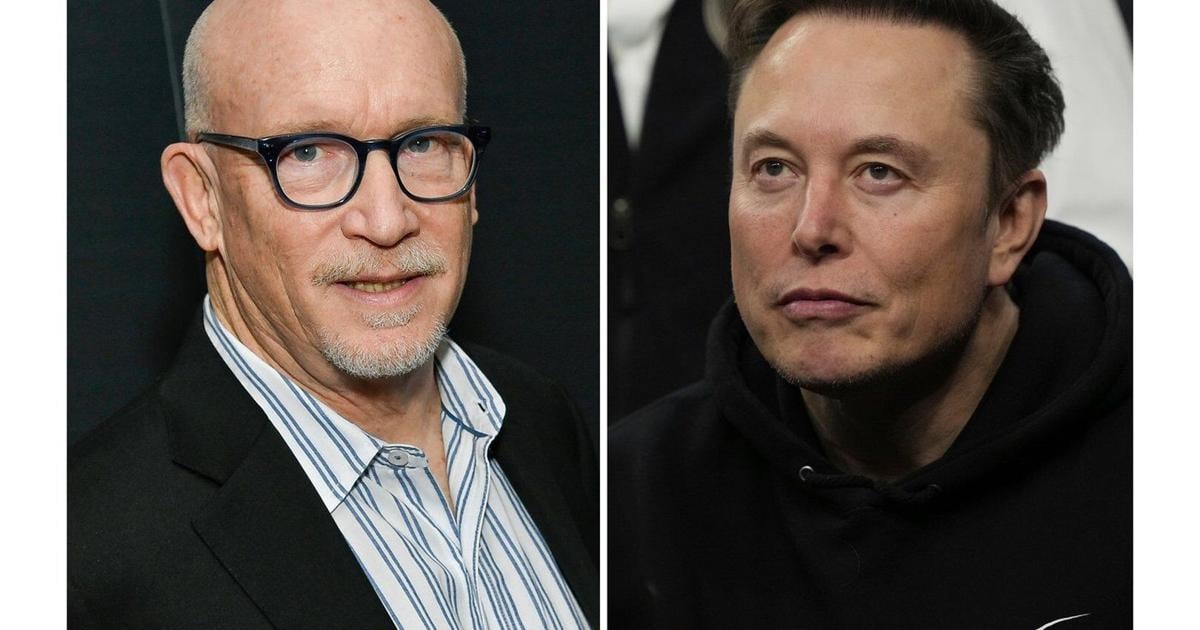
A new documentary about Elon Musk uses an Artificial Intelligence avatar to simulate an interview with the SpaceX and Tesla CEO using things he’s really said in interviews.
asserted
he → use → interviews
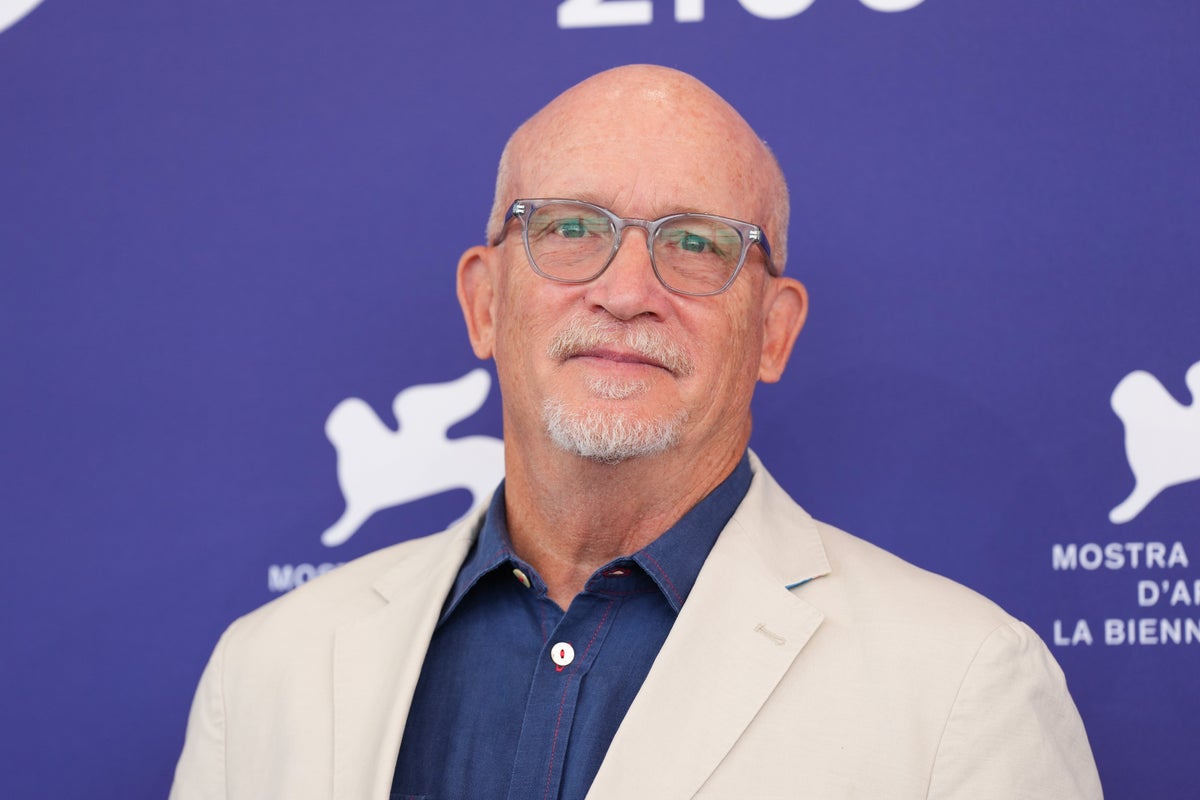
The choice, filmmaker Alex Gibney said Tuesday in Venice before the film's world premiere, was intentionally ironic.
asserted
Gibney → say → premiere
It both references Musk’s proposition that we’re all living in a simulation and pokes at his somewhat paradoxical and shifting views of the technology.
asserted
we → reference → technology
Gibney said it is to convey the “reality of what he’s done and unreality of his narrative.”
asserted
he → say → narrative
The filmmakers consulted lawyers before going too far down the road and got the sign-off to use the Musk avatar.
asserted
filmmakers → consult → avatar
The Oscar-winning filmmaker was joined at the Venice Film Festival by Ashley St. Clair, once a conservative influencer, who shares a child with Musk and who appears in the film.
asserted
who → win → film
She talks about their relationship, his character and the nondisclosure agreement she was asked, and refused, to sign to guarantee paternity support.
asserted
she → talk → support
“I was offered the opportunity not to speak for $40 million,” she said.
asserted
she → offer → million
St. Clair earlier this year also sued Musk's AI company, saying its Grok chatbot allowed users to generate sexually exploitive deepfake images of her that have caused her humiliation and emotional distress.
asserted
that → sue → humiliation
The film goes into Musk's takeover of X and what Gibney says is the manipulation of the algorithm.
asserted
Gibney → go → algorithm
“One thing that I didn't properly understand when I started the film was how Musk tweaked algorithms at Twitter to, in fact, prioritize vitriol and hate over, you know, the town square,” Gibney said.
asserted
Gibney → understand → square
“Wired” reporter Zoë Schiffer, who also appears in the film, added that “he has tweaked the algorithm, both to suppress mainstream journalism and then to augment some of the more inflammatory comments and voices on that platform.”
asserted
he → appear → platform
St. Clair said she believes he’s stoking fires and “causing deliberate division that could be catastrophic if it’s not regulated or contained.”
With a runtime of nearly four hours, “Musk” delves into his traumatic childhood, including an interview with his father, Errol Musk, and traces his early days in Silicon Valley through his DOGE work with the second Donald Trump administration and involvement in right-wing politics internationally.
uncertain
Musk → say → politics
It was, Gibney said, going to be a much shorter film before Musk wrapped himself in Trump's campaign.
asserted
Musk → say → campaign
Those interviewed include Tesla co-founder Martin Eberhard, his first wife Justine Musk, neurologist Sam Harris, tech reporter Kara Swisher and former USAID Administrator Samantha Power.
Gibney said he thinks Musk is “extremely” dangerous to democracy.
asserted
Musk → interview → democracy
The film, which will be released in theaters in October, raises alarms about the information the “DOGE boys” gathered on U.S. citizens with their unfettered access to so many government agencies.
asserted
boys → release → agencies
 The Aporia