The Aporia
The Aporia
The Aporia

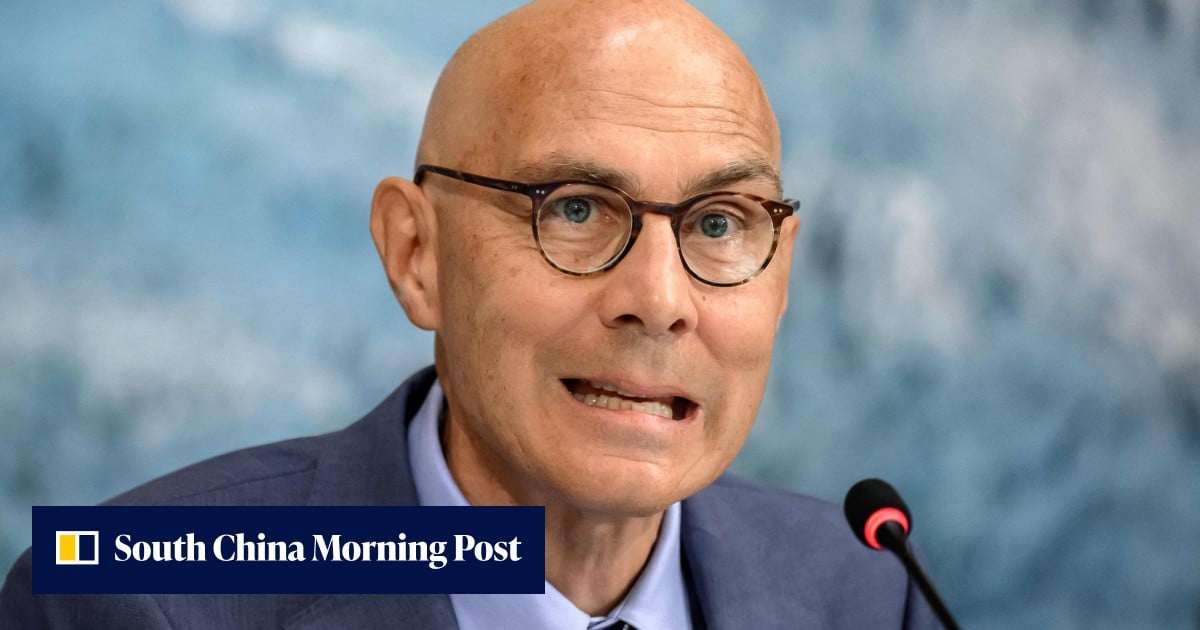
The Straits Times. (2026, September 7). AI could pose 'existential' risk to humanity, UN rights chief warns. The Straits Times. https://www.straitstimes.com/world/europe/ai-could-pose-existential-risk-to-humanity-un-rights-chief-warns
The Straits Times. “AI could pose 'existential' risk to humanity, UN rights chief warns.” The Straits Times, 7 Sept. 2026, https://www.straitstimes.com/world/europe/ai-could-pose-existential-risk-to-humanity-un-rights-chief-warns.
The Straits Times. “AI could pose 'existential' risk to humanity, UN rights chief warns.” The Straits Times, September 7, 2026. https://www.straitstimes.com/world/europe/ai-could-pose-existential-risk-to-humanity-un-rights-chief-warns.
Dated when The Aporia collected the article, usually within hours of publication. Check the original for its exact date and byline.
On September 8, Jacob Coxon, a 27-year-old researcher who previously worked at both OpenAI and Anthropic, resigned from Anthropic, warning that the companies are racing towards developing self-improving superintelligence and potentially putting human lives at risk. Coxon's resignation drew significant attention online and in media outlets like CNN and BBC News, with experts such as Geoffrey Hinton estimating a 10% chance of AI causing human extinction within this decade. Notably, several current Anthropic employees echoed Coxon’s concerns on social media platforms, emphasizing the urgency of addressing AI safety issues before it is too late. Despite these warnings, some in Silicon Valley and industry leaders remain skeptical about the immediate threat posed by AI advancements.