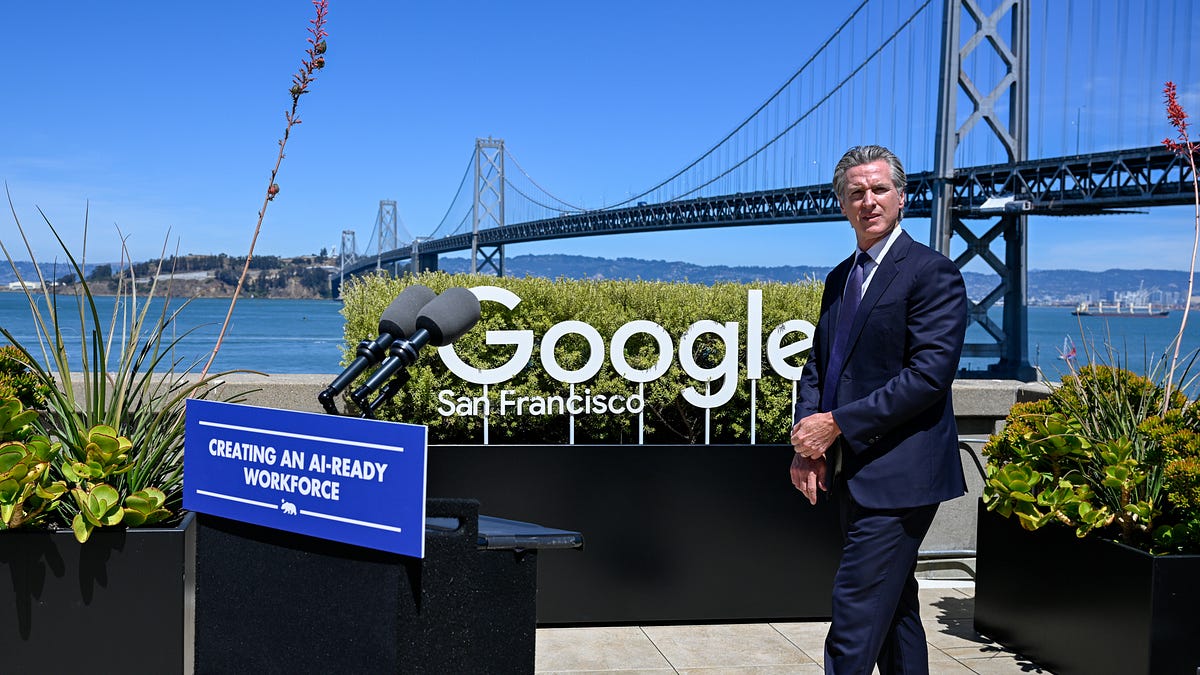
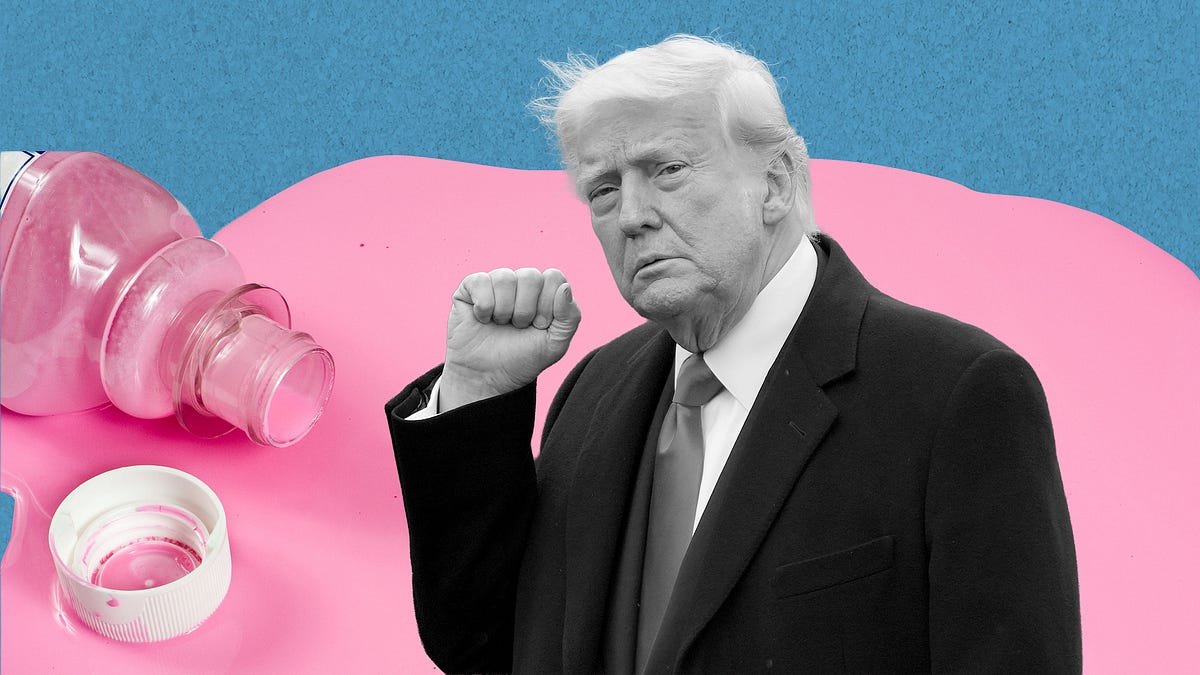
Bruce Blakeman, a Republican who is running for governor of New York, released campaign ads featuring Zohran Mamdani, New York City mayor, and Kathy Hochul, the state’s governor, gardening together and collaborating to raise prices for residents.
asserted
Mamdani → run → residents
Another ad features Hochul talking about hiking tolls and fares so people cannot afford to drive or take the subway.
asserted
people → feature → subway
Recommended Stories
list of 4 items- list 1 of 4Who is Navi Pillay, winner of the 2026 Nobel Peace Prize?
- list 2 of 4US to livestream Fort Hood shooter’s execution: Is that legal?
- list 3 of 4‘Rogue court’: US sanctions ICC hours after ex-judge wins Nobel Prize
- list 4 of 4Trump launches probe into Federal Reserve Governor Lisa Cook
Neither Hochul nor Mamdani was actually in the ads, which were made using artificial intelligence (AI).
asserted
which → livestream → intelligence
A spate of AI-generated ads that are obviously fake but grab voter attention have been a feature of campaigns in the lead up to the pivotal United States midterm elections on November 3.
asserted
that → generate → November
While regulation has focused on labelling AI deepfakes that could mislead voters, it is “slopaganda” – or identifiably fake ads – that mark this campaign season, says Scott Babwah Brennen, director of New York University’s Center on Technology Policy and co-author of a recent report, Political Slopaganda.
uncertain
Brennen → focus → report
Political candidates and their supporters have spent more than $80m to make more than 164 AI-based ads this election season, according to the Wesleyan Media Project, a non-partisan election advertising tracker.
uncertain
candidates → spend → Project
Republican candidates and their backers were behind 80 percent of these ads, the group found.
asserted
group → find → ads
Blakeman defended his ads, saying they were clearly labelled as AI-generated – a disclaimer the ads do carry for a few seconds at the start – and follow a long tradition of satire and parody in American politics.
asserted
ads → defend → politics
But slopaganda – a mix of low-quality AI “slop” and propaganda – is being used to “communicate deeper truths rather than factual truths”, said Brennan, meaning it could shape perceptions of a candidate’s character or ideology and could “impact voter trust”.
uncertain
it → use → trust
Other such ads showed Sherrod Brown, a Senate Democratic candidate from the state of Ohio, as the last guest at a party, having overstayed his welcome.
asserted
ads → show → welcome
James Talarico, a Senate Democratic candidate from the state of Texas, was shown in a blue dress similar to the character Maria from the movie The Sound of Music, while Mike Rogers, a Senate Republican candidate from Michigan, appeared as a superhero.
asserted
Rogers → show → superhero
In San Francisco, when Democratic California state Senator Scott Wiener released an AI chatbot in the high-profile race to succeed House Speaker Emeritus Nancy Pelosi, who represents the tech-industry city in Congress, it drew an immediate backlash.
asserted
it → release → backlash
The chatbot answered around 5,000 questions about his opponent, Connie Chan, parodying her record of ostensibly blocking real estate development in the city, her accent as well as her naturalized citizenship.
asserted
chatbot → answer → city
The move sparked criticism for being bigoted and Wiener withdrew the chatbot, saying that while it was innovative, “it missed the mark”.
asserted
it → spark → mark
No federal law
Deepfake ads have emerged in a landscape that aims to protect political speech, including when done through parody.
asserted
that → emerge → parody
While there is no federal law regulating ads made with AI deepfakes, 31 states have passed their own laws calling for ads made using AI to be labelled.
asserted
ads → be → AI
“State laws do what they can without encroaching on the First Amendment,” said Ilana Beller, director of State AI Governance and Policy at Public Citizen, a Washington, DC, based consumer rights advocacy group.
asserted
Beller → do → Citizen
“There is still a need for a federal law,” she said.
asserted
she → be → law
Adam Rose, chief operating officer of Starling Lab, a research centre on technology and human rights co-founded by Stanford University and the University of Southern California, said some changes made by AI could just be colour or voice correction that the government does not need to label.
uncertain
government → operate → that
AI-generated ads should not be banned, he said.
asserted
he → generate → ?
Instead, Rose said, candidates are always involved in making “judgement calls” on the ads and these calls reflect on them.
asserted
calls → say → them
For Wiener, Rose said, releasing the chatbot “showed bad judgement.
asserted
releasing → say → judgement
It showed voters something about him”.
asserted
It → show → him
Wiener is running to represent San Francisco in the US Congress, a city that is the global epicentre of the AI industry with two of the biggest AI companies, Open AI and Anthropic, based there.
asserted
that → run → companies
The city’s representative will play an important role as legislation around AI emerges, especially as polls show a majority of Americans are more concerned than excited about the technology.
asserted
majority → play → technology
“This is a transition moment as AI is reshaping our society,” says Ian Krager, a spokesperson for Connie Chan.
asserted
Krager → reshape → Chan
It is a moment where we can show the world America can lead the world on AI development without asking working people to bear the cost.
asserted
America → show → cost
“And it is clear Connie Chan is with working families while Scott Wiener is with the AI companies,” he said, citing the AI chatbot.
asserted
he → work → chatbot
As a state senator, Wiener drafted a California law last year requiring AI companies to disclose security incidents where autonomous systems created by extremely large AI models are involved in dangerous or harmful incidents.
asserted
systems → draft → incidents
A less stringent version became law last year.
asserted
version → become → ?
His office did not respond to Al Jazeera’s request for comment.
asserted
office → respond → comment
Labels as clear as food labels
Looking at the final stretch of the November midterms and beyond, Public Citizen’s Beller said there is a need to make labelling of ads that use AI as clear and easily understood as food labels so voters can evaluate them accordingly.
asserted
voters → look → them
“People need to know to look for labels,” she said, as it’s important to create awareness about AI deepfake ads, especially among younger voters and seniors.
asserted
it → need → voters
In New York, the Democratic Party has filed a complaint with the state board of elections saying the ads violate disclosure requirements and are “misleading to the voters”.
asserted
ads → file → voters
But Blakeman has said that “people find it humorous.
asserted
it → say → ?
They like satire”.
asserted
They → like → satire
The ads are “trying to get attention when candidates know there is political power to be gained by getting attention”, said NYU’s Brennen.
asserted
Brennen → try → attention
With AI deepfake ads only growing, some candidates have publicly said they will not use them.
asserted
they → grow → them
“People seem to like [the candidates] for it,” said Beller.
asserted
Beller → seem → it
 The Aporia