Toronto Star
· collected 2026-10-09 · by Bill Barrow The Associated Press
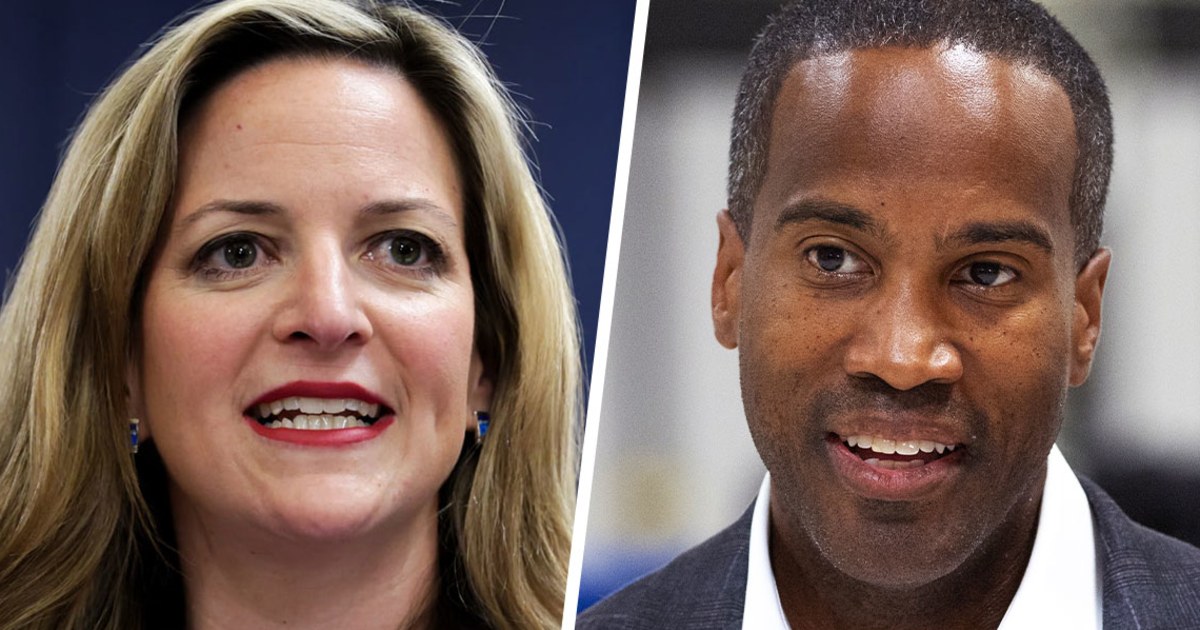
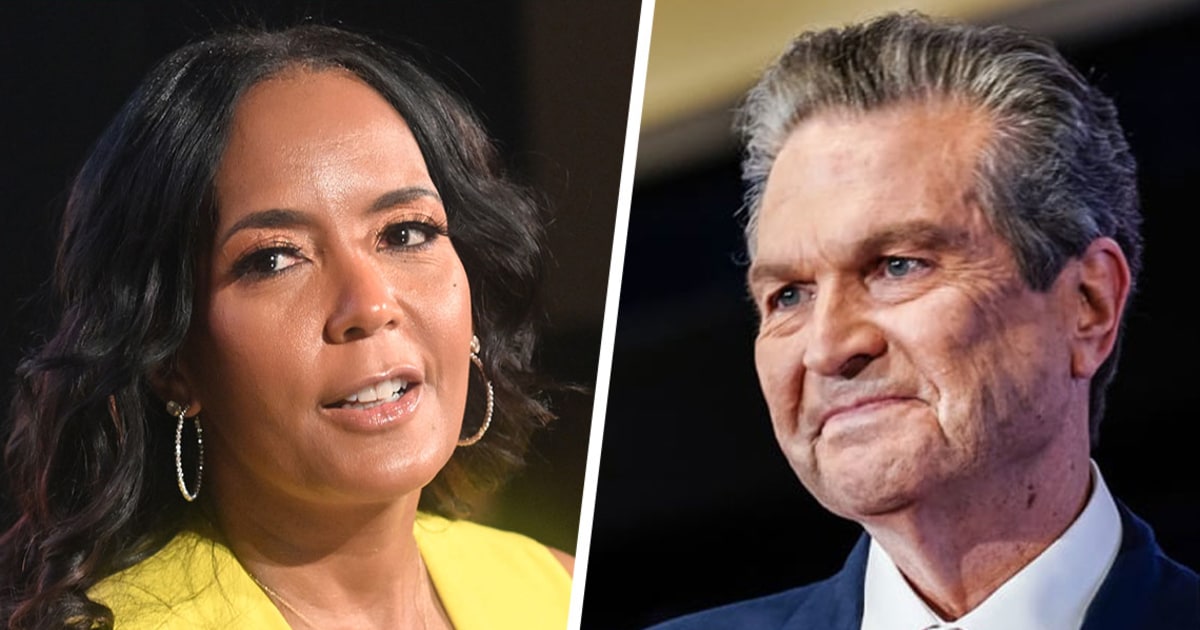
Not long ago, Georgia gubernatorial nominee Rick Jackson eagerly compared himself to his fellow billionaire in the Oval Office.
asserted
Jackson → compare → Office
He promised to be Donald Trump “with a Southern tone.”
asserted
He → promise → tone
And sharing a summer rally stage, Jackson pointed at the president and declared, “I’m going to be this man’s favorite governor.”
asserted
I → share → president
On the debate stage this week with his Democratic opponent, however, Jackson discussed Trump only when Keisha Lance Bottoms brought him up.
asserted
Bottoms → discuss → him
And he assured his audience that he’d “stand up to anybody.”
asserted
he → assure → anybody
Jackson is not alone in his recalibration: Republican nominees for Senate, the U.S. House and governor’s offices across the country are sidestepping Trump or openly distancing themselves as they debate before Election Day.
Those tactics, not unlike Republicans scrubbing Trump from their campaign websites, are the latest signs of how much Trump’s standing has fallen because of voters’ frustration with inflation, the Iran war and other matters.
asserted
standing → sidestep → inflation
And the dynamics highlight the perilous options many Republicans face as they try to stitch together winning coalitions that go beyond Trump’s core supporters.
asserted
that → highlight → supporters
“Republicans right now are facing a voter turnout problem” in their own party, said GOP pollster Paul Shumaker,
asserted
Shumaker → face → party
must win “unaffiliated voters” who care most about the economy.
asserted
who → win → economy
“You have to have something significant to change this narrative,” Shumaker said.
asserted
Shumaker → have → narrative
But, he explained, that means “a significant victory in Iran” and seismic economic improvements — not something any Republican midterm candidate can force from behind a debate podium.
asserted
candidate → explain → podium
There’s a Trump tightrope on Iran, tariffs and rhetoric
Some Republicans are taking specific positions at odds with the president.
asserted
Republicans → ’ → president
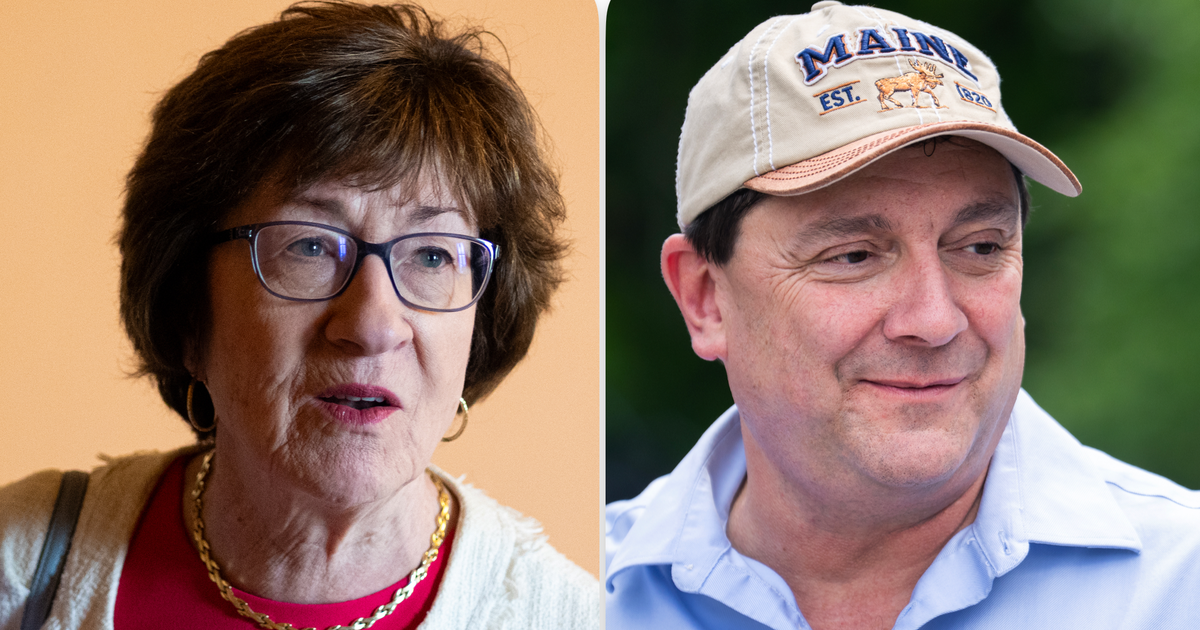
Michigan Senate candidate Mike Rogers said in his debate Thursday with Democrat Abdul El-Sayed that he’d urged the White House privately to reach a trade deal with Canada and end the president’s tariffs.
asserted
he → say → tariffs
Canada is Michigan’s largest trading partner, as it is for many Great Lakes and Midwestern states.
asserted
it → trade → states
Days before, Rogers unveiled a new ad in which he said, “We know that Canada is not our enemy.
asserted
Canada → unveil → which
We need to end the tariff war — now.”
asserted
We → need → war
That’s a noticeable departure from Rogers’ earlier, less specific statements praising Trump’s “America First” economic agenda while saying tariffs are not a “one-size-fits-all” solution.
asserted
size → ’ → all
Another Michigan Republican, Rep. Tom Barrett, already had bucked the president by voting for a war powers resolution intended to assert congressional authority over military actions in Iran.
asserted
Republican → buck → Iran
But debating Democrat Will Lawrence in their central Michigan district, Barrett added a criticism of Trump’s rhetoric Monday in Nebraska, where he floated the possibility of Iran attacking San Diego and Los Angeles.
asserted
Iran → debate → Diego
The president mentioned those cities as part of his argument that higher gas prices because of his Iran war are a “small price to pay” to keep the country safe.
asserted
prices → mention → country
But Democrats seized on the remarks, some insisting that Trump was calling for Iran to attack U.S. cities.
asserted
Iran → seize → cities
Barrett was asked whether Trump’s words were acceptable.
asserted
words → ask → ?
Given the opportunity to echo the White House explanation that Trump was offhandedly mentioning a worst-case scenario he was trying to prevent, Barrett offered no defense.
asserted
Barrett → give → defense
“Nope,” he said flatly.
asserted
he → say → ?
Many Republicans prefer a more generalized stiff arm
Reflecting the complex electoral balance, most Republicans have attempted to separate themselves without naming any firm difference with the president.
asserted
Republicans → prefer → president
Running for a promotion to the Senate, Iowa U.S. Rep. Ashley Hinson tried in her debate Wednesday against Democrat Josh Turek to reconcile her earlier promises to be a Trump ally in Congress’s upper chamber.
asserted
Hinson → run → chamber
She said it would be “really easy” to keep her word and still be bipartisan — a buzz word she’s already been featuring in her campaign.
asserted
she → say → campaign
“I’ll be President Donald Trump’s ally when it is important for Iowa, but I will push back on him — he knows this, because I talk to him regularly — on things that are wrong for our state,” she said.
asserted
she → push → state
“That’s true no matter who’s in the White House.
asserted
who → ’ → House
That’s true no matter who is governing and who has the gavel.”
asserted
who → ’ → gavel
That’s the same path Jackson took in Georgia, as he pivoted away from Trump by embracing outgoing Georgia Gov. Brian Kemp, a Republican who has clashed with the president, starting with Trump’s false claims that he won Georgia in the 2020 presidential election.
uncertain
he → ’ → election
“I will stand up to anybody, just like Brian Kemp has done,” Jackson said.
asserted
Jackson → stand → anybody
Another Republican House member, Mike Lawler of New York, made a point of name-checking a Democratic colleague, New Jersey’s Josh Gottheimer, and discussing bills they’d work on together.
asserted
they → make → bills
It was part of his argument that he’s able to challenge Trump and the party line.
asserted
he → ’ → Trump
“When I agree with the president I say it.
asserted
I → agree → it
When I disagree with the president, I say it,” he said in his closing remarks.
asserted
he → disagree → remarks
Hinson, meanwhile, referenced bills she’s worked on in the House that have been signed into law by both President Joe Biden and Trump.
asserted
that → reference → Biden
But she also avoided criticizing Trump when asked about the president sending Affordable Care Act rebate checks to some Americans and promising a $5,000 bonus after the midterm elections if Republicans retain control of the House and Senate.
asserted
Republicans → avoid → House
She said she “cares very deeply” about making sure Congress maintains the power of the purse and thinks it’s important to “live better within our means.”
asserted
it → say → means
Democrats pounce on either approach
asserted
Democrats → pounce → approach
…and 11 more, not listed.
 The Aporia