That is 0 articles you have read today.
The Aporia is free and carries no advertising, so readers are the only
thing paying for it. If you are getting this much out of it, a small
donation is what keeps it independent.
Daily limit reached
You have read 0 articles today.
That is more than the 15 a day The Aporia gives away,
and well past what it can carry on nothing. Your allowance resets at
midnight.
There is no advertising here and nothing about you is sold, so readers
are the only thing paying for it. If the site is worth this much of
your day, it is worth a few dollars.
Everything else stays open: the
maps, the
directory and
search do
not count against this, and neither does re-opening something you have
already read today.
Senator Ron Wyden is requesting more information from the White House’s Office of National Drug Control Policy about a federal license plate reader program following an investigation by 404 Media. The investigation revealed that the High Intensity Drug Trafficking Area (HIDTA) program collects data on Americans through companies like Flock and Axon. Wyden is demanding the release of a privacy review conducted by MITRE in 2024, which has not been made public, as well as an analysis of automated license plate reader systems.
Written locally by qwen2.5:14b on 2026-10-09,
using this article's own text rather than the other coverage of the
same event (that is the story summary below).
Story summary
In response to a recent investigation by 404 Media, Senator Ron Wyden has requested that the Office of National Drug Control Policy (ONDCP) disclose more information about its license plate surveillance program, known as HIDTA. The report in question was commissioned by the ONDCP and investigates privacy practices related to several federal surveillance programs, including the use of Automatic License Plate Reader (ALPR) technology. According to 404 Media's findings, the HIDTA program collects license plate data from companies like Flock and Axon, through agreements with various cities and towns nationwide, mirroring city-level ALPR databases onto federal ones. Wyden’s letter emphasizes the need for transparency regarding how this location data on Americans is being utilized by government agencies.
Written for “License Plate Surveillance Controversy” on 2026-10-09,
grounded in this article and the 0 other(s) covering the same event.
Why this leaning score
The model judged this article politically coded and scored it -0.35, but all 2 of its quote(s) are attributed speech - words the article quotes from someone, not the article's own narration, so the score is not published.
Written under an earlier scoring contract, which gave a paragraph
rather than checkable quotes. Re-analysing this article replaces it.
Leaning score withheld for article 68723: attributed speech only · logged 2026-10-09
In response to a 404 Media investigation, Sen. Ron Wyden is demanding more information about how a federal license plate reader camera program works.
asserted
program → demand → information
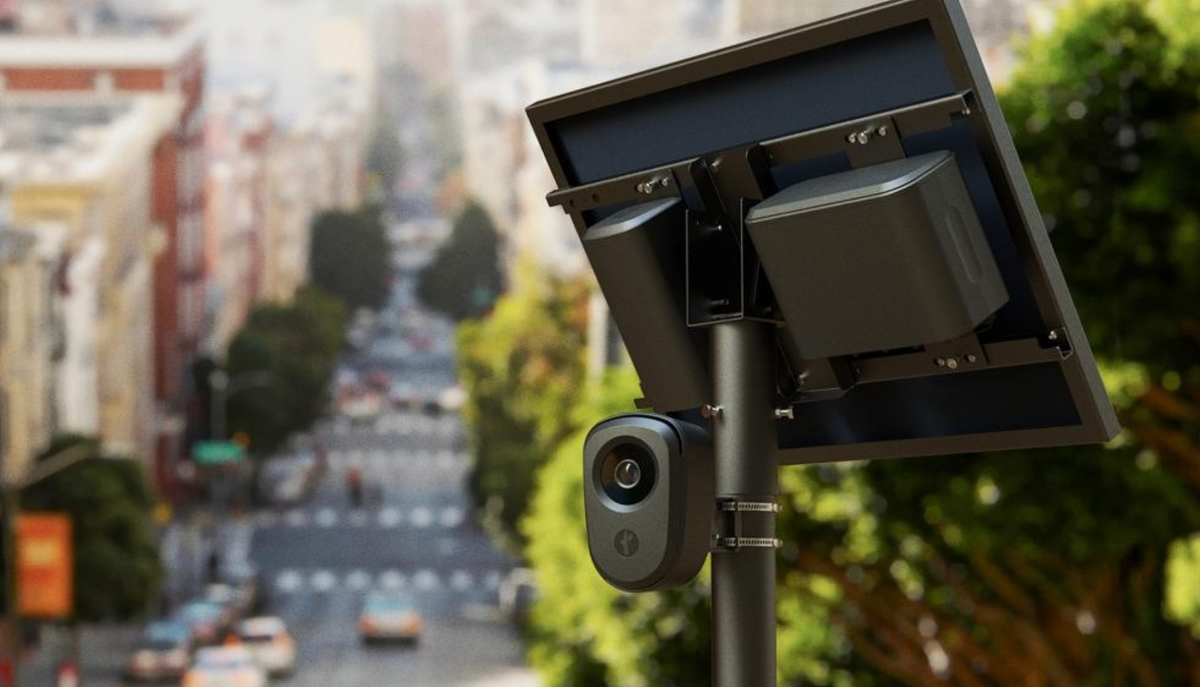
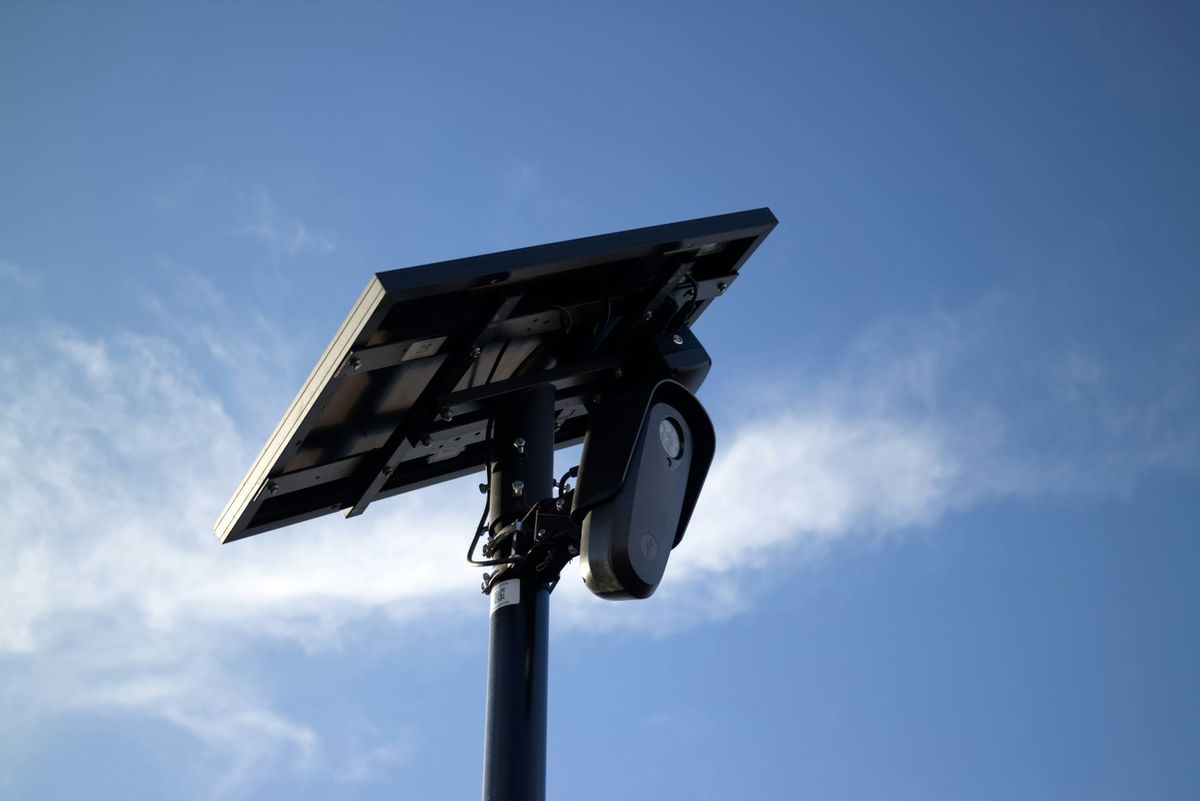
Last month, we reported on the High Intensity Drug Trafficking Area program’s license plate reader database, which mirrors data from city license plate reader programs onto federal databases.
asserted
which → report → databases
The HIDTA program falls under the White House’s Office of National Drug Control Policy, which infamously ran a secretive cell phone data surveillance project called Hemisphere.
asserted
which → fall → project
We reported that HIDTA has now created a complex system for the federal government to obtain license plate data from companies like Flock, Axon, and Motorola via a series of agreements with cities and towns across the country.
asserted
government → report → country
In a letter to Sara Carter, director of the Office of National Drug Control Policy, Wyden said that the office needs to publish a report it commissioned into the privacy practices of several of its surveillance programs, including the license plate reader database.
asserted
it → say → database
“404 Media has reported that the HIDTA program is being used to aggregate location data on Americans derived from Flock, Axon, and other vendors’ ALPRs,” Wyden wrote.
asserted
Wyden → report → Flock
“There is currently limited transparency into these HIDTA-funded surveillance programs, but ONDCP has commissioned an assessment into the privacy practices of these programs that should be released to the public.”
asserted
that → be → public
Wyden said that the nonprofit contractor MITRE conducted a privacy review of HIDTA’s surveillance programs, including its cell phone data collection project and its ALPR program, in 2024.
asserted
contractor → say → 2024
That report has never been made public.
asserted
report → make → ?
Wyden demanded the release of that study, as well as a separate “analysis of automated license plate reader systems and practices.”
asserted
Wyden → demand → systems
“There is currently limited transparency into these HIDTA-funded surveillance programs, but ONDCP has commissioned an assessment into the privacy practices of these programs that should be released to the public,” he wrote.
asserted
he → be → public
“This review was conducted by MITRE and completed in 2024, but ONDCP refused to provide it to my office and has subsequently not made that report public.
asserted
report → conduct → office
I urge you to make this review public.”
asserted
review → urge → you
 The Aporia