Washington is focused on Iran’s missiles, nuclear program, and the terms of a possible ceasefire.
asserted
Washington → focus → ceasefire
But another question may prove more important: what happens inside Iran when pressure on the regime becomes political rather than merely military?
uncertain
pressure → prove → regime
Iran has no shortage of public anger.
asserted
Iran → have → anger
The deeper question is what happens when that anger becomes organized and boils over?
asserted
anger → happen → ?
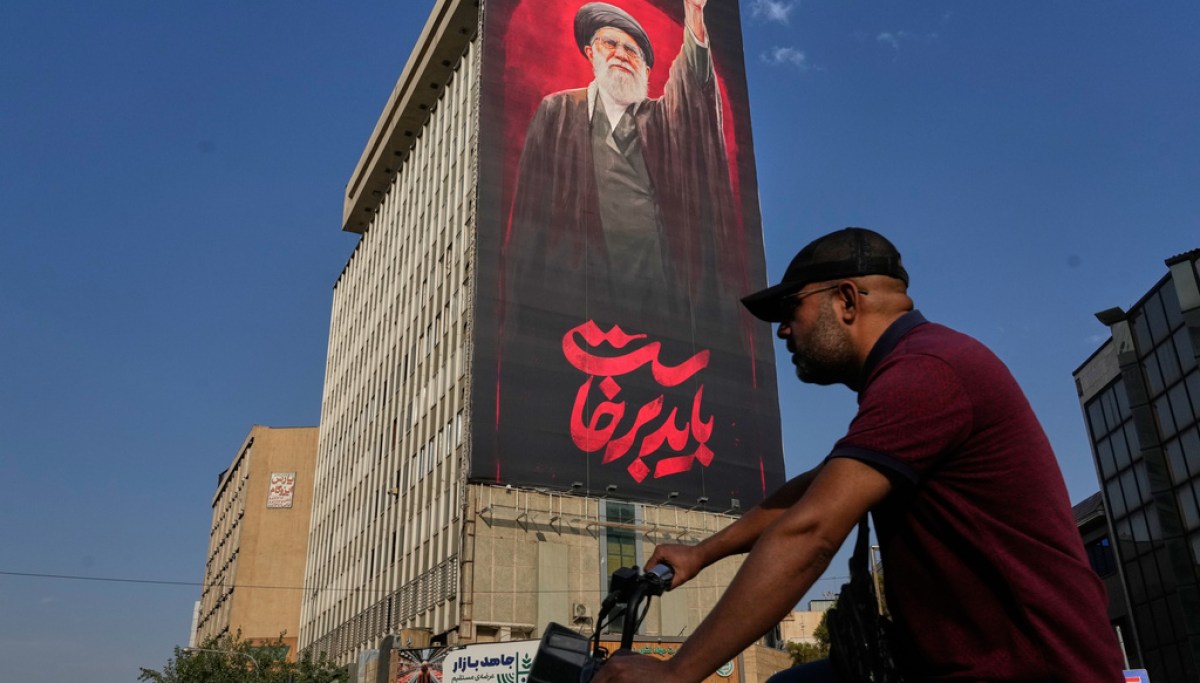
For years, the Islamic Republic has survived economic hardship, political discontent, and enormous demonstrations through one overriding method: repression.
asserted
Republic → survive → method
Mass arrests, lethal force, intimidation, censorship, and communications shutdowns, and subsequent execution of arrested dissidents, have been the means with which the regime has prevented these uprisings from gaining the scope and power sufficient to overthrow it.
asserted
regime → arrest → it
The latest nationwide uprising again demonstrated the problem.
asserted
uprising → demonstrate → problem
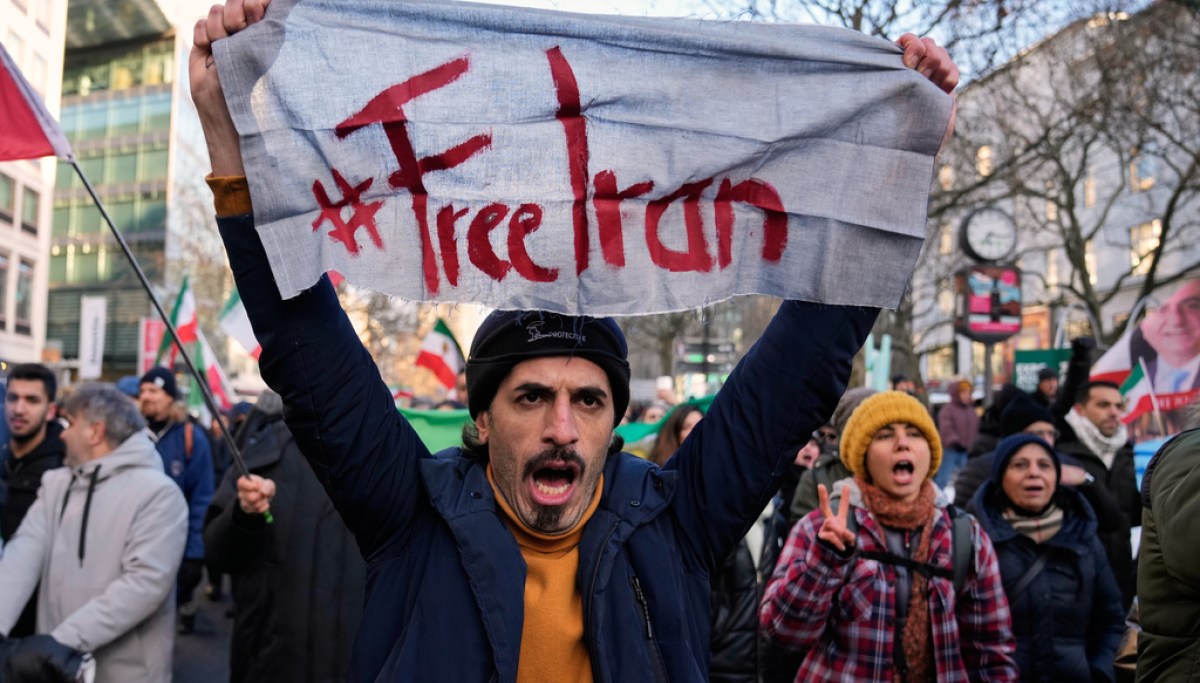
Protests spread across Iran, but the authorities responded with lethal force, arrests, and severe restrictions on communications.
asserted
authorities → spread → communications
Amnesty International reported that security forces unlawfully killed thousands of protesters and bystanders on Jan. 8 and 9, 2026, as the protests spread nationwide.
asserted
protests → report → Jan.
The lesson was not that Iranians lack the will to resist.
asserted
Iranians → lack → will
It was that spontaneous mobilization faces an enormous disadvantage when confronting a state prepared to identify organizers, disrupt communications, and suppress demonstrations before they can consolidate.
asserted
they → face → demonstrations
Tehran’s own language offers another window into what its security establishment considers dangerous.
asserted
establishment → offer → window
Recent statements by Iranian officials and regime-affiliated media have repeatedly focused on networks, recruitment, neighborhoods, and universities when discussing the threat of renewed unrest.
asserted
statements → affiliate → unrest
Their concern goes beyond public dissatisfaction: It is the possibility that organized actors could connect local grievances and street protests into a broader political challenge.
uncertain
actors → go → challenge
A recent report by the National Council of Resistance of Iran (NCRI) highlighted several such statements, including comments by Ali Aghamohammadi, a member of Iran’s Expediency Council, about opposition networks allegedly operating inside the country.
uncertain
report → highlight → country
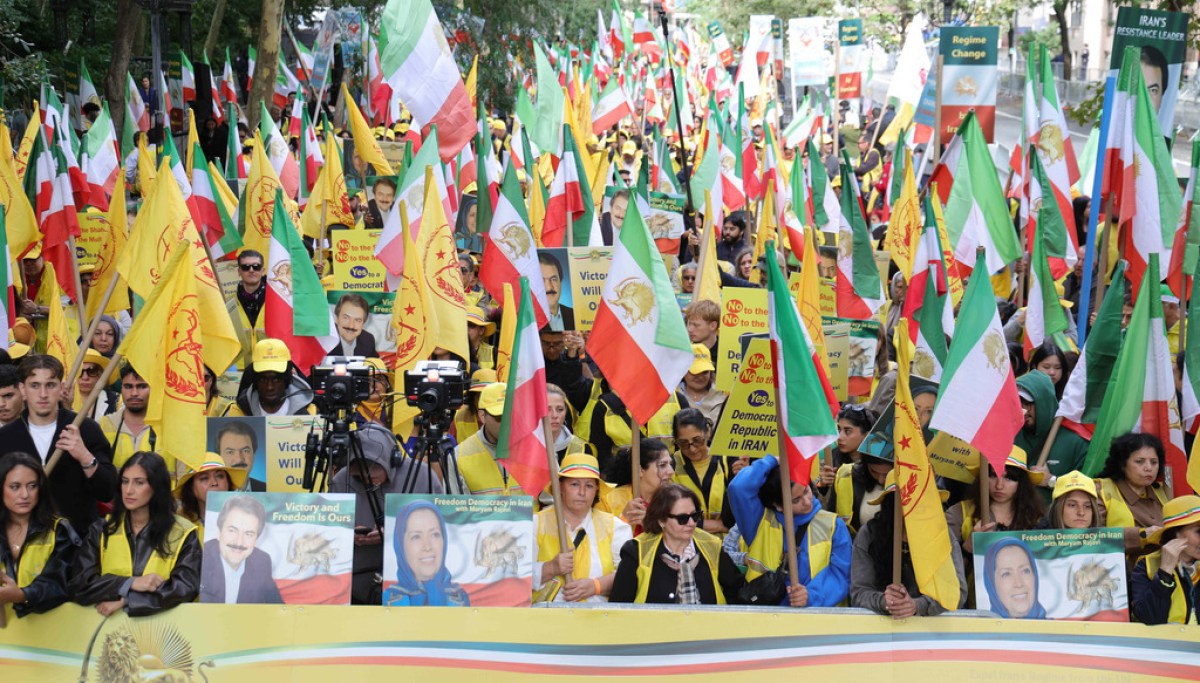
The report also cited Tasnim, an IRGC-affiliated news agency, attacking a message from Maryam Rajavi calling for an “organized uprising” and describing the Mujahedin-e Khalq (PMOI/MEK) as establishing a networked presence capable of influencing domestic movements.
asserted
report → cite → movements
The significance of these statements is not that they prove every claim made by the Iranian opposition but that they reveal how the regime itself views organization: something qualitatively more dangerous than public anger alone.
uncertain
regime → prove → anger
An angry population can be suppressed one city at a time.
asserted
population → suppress → time
A network that can communicate across cities, survive arrests, and connect one protest wave to the next, and have the ability to confront the repressive apparatus, presents a different security problem.
asserted
that → communicate → problem
That is why organization matters more than crowd size alone.
asserted
organization → matter → size
The distinction should also inform how Washington evaluates Iran’s competing opposition figures and movements.
asserted
Washington → inform → figures
Reza Pahlavi has a PR machine outside Iran.
asserted
Pahlavi → have → Iran
Pahlavi has said he communicates with leaders of more than 1,000 groups inside Iran.
asserted
he → say → Iran
Aside from the fact that 1,000 groups do not exist in Iran, Reuters has found no independent confirmation of that claim.
uncertain
Reuters → exist → claim
The distinction matters in a country where political organization can lead to imprisonment or worse.
asserted
organization → matter → imprisonment
The relevant question is not simply who can attract audiences abroad or generate attention on social media.
asserted
who → attract → media
It is who possesses networks capable of functioning when the internet is shut down, organizers are arrested, and security forces move into the streets.
asserted
forces → possess → streets
Among the established opposition forces, the PMI has maintained an operational structure inside Iran for decades.
asserted
PMI → establish → decades
The PMOI-affiliated Resistance Units operate inside Iran and reported activities in Tehran and 27 other cities in September.
asserted
Units → affiliate → September
It is important to recognize a political distinction often obscured by the focus on personalities: organization under repression is a different form of operational capacity from visibility abroad.
asserted
organization → recognize → visibility
That distinction has direct implications for Washington.
asserted
distinction → have → Washington
The United States does not need to choose Iran’s future leadership.
asserted
States → need → leadership
Nor can Washington manufacture a democratic transition from outside.
asserted
Washington → manufacture → transition
But American policymakers should distinguish between an opposition movement’s international profile and its capacity to operate inside Iran under the conditions that will matter most during a political crisis.
asserted
that → distinguish → crisis
That means asking concrete questions: Can a network function during an internet blackout?
asserted
network → mean → blackout
it survive arrests?
asserted
it → survive → arrests
Can it connect local protests across cities?
asserted
it → connect → cities
Can it maintain political activity when security forces use lethal force?
asserted
forces → maintain → force
And can it contribute to an orderly transition of power rather than simply exploit the collapse of the existing system?
asserted
it → contribute → system
A weakened Islamic Republic will not collapse under the weight of its failures.
asserted
Republic → weaken → failures
…and 8 more, not listed.
 The Aporia