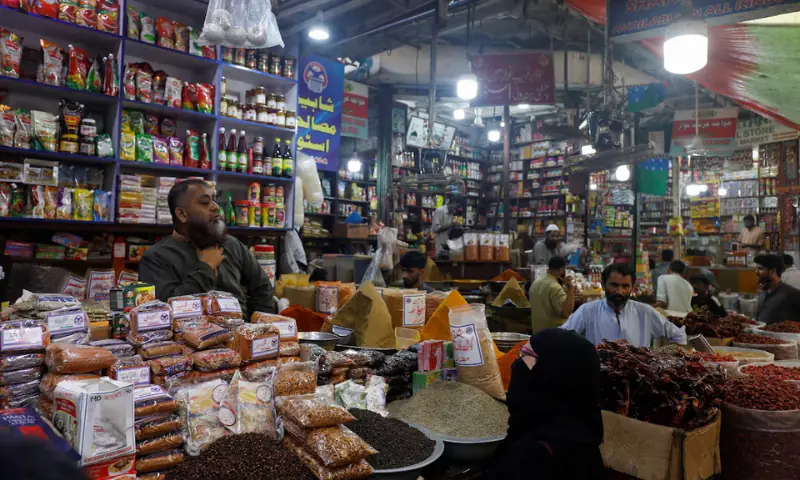
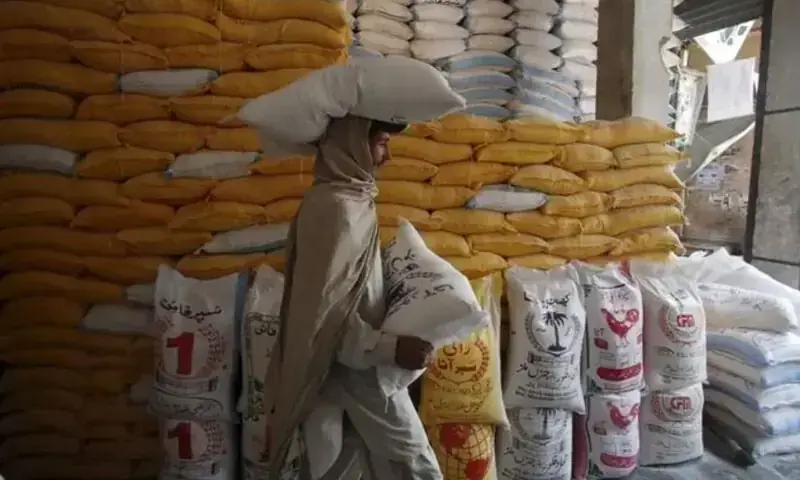
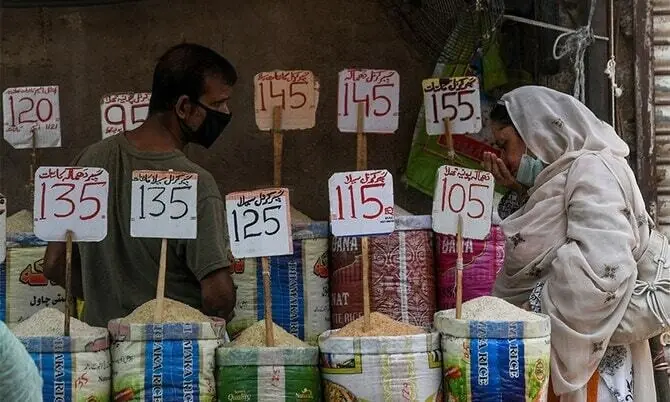
In Pakistan, short-term inflation rose to 11.97% year-over-year for the week ending October 8, according to data released by the Pakistan Bureau of Statistics (PBS). The Sensitive Price Index increased by 0.57% week-on-week, with higher food prices—especially wheat flour—and persistent increases in petroleum prices being key drivers. Of the 51 essential items tracked, prices for 20 commodities rose while six declined and 25 remained unchanged from the previous week.
Written locally by qwen2.5:14b on 2026-10-09,
using this article's own text rather than the other coverage of the
same event (that is the story summary below).
Story summary
Planning Minister Ahsan Iqbal expressed concern over rising prices of essential commodities during a National Price Monitoring Committee (NPMC) meeting on Thursday. The committee noted that short-term inflation had risen to 11.97% year-on-year in the week ending Oct 8, driven primarily by higher food prices, especially wheat flour. According to data released by the Pakistan Bureau of Statistics (PBS), the Sensitive Price Index (SPI) increased 0.57% week-on-week. Of the 51 essential items monitored, prices of 20 commodities (39.22%) rose while those of six items (11.76%) declined; the remaining 25 items saw no change.
The minister directed provincial and district administrations to enhance monitoring of supplies, market arrivals, hoarding, profiteering, and unjustified price increases. Persistent petroleum price hikes have kept inflation in double digits for several weeks, despite the government's reluctance to ease the petroleum levy. This ongoing increase has not only fueled inflation but also indirectly boosted sales tax collections through higher prices across goods and services.
Written for “Inflation Rise In Pakistan” on 2026-10-09,
grounded in this article and the 0 other(s) covering the same event.
Short-term inflation rose to 11.97 per cent year-on-year in the week ending Oct 8, driven largely by higher food prices, particularly wheat flour, according to official data released by the Pakistan Bureau of Statistics (PBS) on Friday.
uncertain
inflation → rise → Friday
The Sensitive Price Index (SPI), which tracks short-term inflation, rose 0.57pc week-on-week, reflecting price fluctuations in both food and non-food items.
asserted
which → track → items
Of the 51 essential items monitored during the week, prices of 20 commodities (39.22pc) increased, while those of six items (11.76pc) declined.
asserted
those → monitor → items
Prices of 25 items (49.02pc) remained unchanged from the previous week.
asserted
Prices → remain → week
Short-term inflation has remained in double digits for several consecutive weeks, largely on the back of persistent increases in petroleum prices.
Unwilling to ease the petroleum levy, the government has continued to raise petrol and diesel prices on a daily basis.
asserted
government → remain → basis
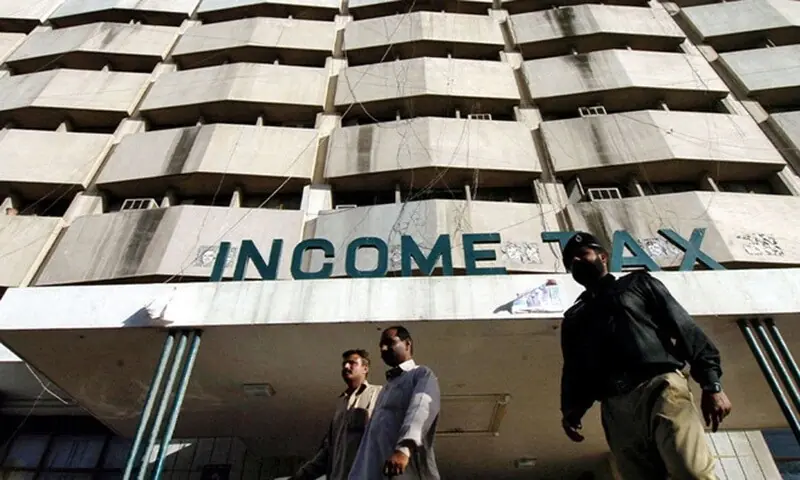
The surge in energy costs is not only fuelling inflationary pressures but also indirectly boosting sales tax collections through higher prices of goods and services.
asserted
surge → fuel → goods
According to tax analysts, higher inflation benefits the government in terms of increased sales tax collection.
uncertain
inflation → accord → collection
Meanwhile, an unprecedented increase in transportation costs has also been reflected in the prices of essential food items, including onions, tomatoes and other vegetables.
asserted
increase → reflect → onions
Chairing the National Price Monitoring Committee (NPMC) meeting on Thursday, Planning Minister Ahsan Iqbal expressed concern over rising prices of essential commodities, particularly wheat flour, and directed provincial and district administrations to strengthen monitoring of supplies, market arrivals, hoarding, profiteering and unjustified price increases.
asserted
Iqbal → chair → supplies
This is cost-push inflation, in which rising energy costs are followed by increases in food prices.
asserted
costs → rise → prices
The items whose prices increased the most over the previous week included wheat flour (5.69pc), chicken (4.93pc), pulse gram (3.99pc), petrol and tomatoes (2.40pc each), pulse masoor (1.29pc), prepared tea (1.08pc), cooked daal (0.98pc), pulse mash (0.91pc) and LPG (0.57pc).
asserted
prices → increase → flour
The items whose prices declined week-on-week included bananas (2.81pc), diesel (1.37pc), potatoes (0.89pc), sugar (0.37pc), gur (0.19pc) and pulse moong (0.03pc).
asserted
prices → decline → bananas
On an annual basis, the items that recorded the highest price increases included onions (100.24pc), LPG (68.55pc), electricity for Q1 (58.59pc), petrol (47.52pc), diesel (42.52pc), wheat flour (32.60pc), chilli powder (15.55pc), mutton (15.02pc), beef (12.60pc), chicken (9.44pc), plain bread (8.99pc) and curd (8.08pc).
asserted
that → record → Q1
In contrast, potato prices fell by 39.51pc, followed by tomatoes (37.07pc), sugar (22.44pc), eggs (18.88pc), powdered salt (14.81pc), pulse masoor (9.79pc), gur (8.59pc) and pulse moong (8.37pc).
asserted
prices → fall → tomatoes
The index, which comprises 51 items whose prices are collected from 50 markets in 17 cities, is calculated weekly to track changes in the prices of essential commodities and services.
asserted
prices → comprise → commodities
The data shows that the prices of 20 items increased, six decreased and 25 remained unchanged from the previous week.
asserted
25 → show → week
 The Aporia