That is 0 articles you have read today.
The Aporia is free and carries no advertising, so readers are the only
thing paying for it. If you are getting this much out of it, a small
donation is what keeps it independent.
Daily limit reached
You have read 0 articles today.
That is more than the 15 a day The Aporia gives away,
and well past what it can carry on nothing. Your allowance resets at
midnight.
There is no advertising here and nothing about you is sold, so readers
are the only thing paying for it. If the site is worth this much of
your day, it is worth a few dollars.
Everything else stays open: the
maps, the
directory and
search do
not count against this, and neither does re-opening something you have
already read today.
Ukraine is reinforcing petrol stations with sand-filled barriers and concrete shelters as Russia targets fuel infrastructure in major cities like Kyiv, Dnipro, and Kharkiv. In the past six months, more than 300 filling stations have been destroyed by Russian strikes. Despite this, Ukrnafta, Ukraine's largest oil company, assures that it will protect its facilities and prevent shortages during winter despite expected fuel demand increases of 10-15%. The company is installing blast barriers in Kyiv and plans to expand this mitigation strategy to other cities.
Written locally by qwen2.5:14b on 2026-10-09,
using this article's own text rather than the other coverage of the
same event (that is the story summary below).
Story summary
Ukraine is bolstering its fuel infrastructure against Russian attacks by installing sand-filled blast barriers and concrete shelters at petrol stations. Since the beginning of 2022, Russia has targeted fuel facilities in frontline areas; recently, this campaign expanded to major cities like Kyiv, Dnipro, and Kharkiv. A senior executive from Ukrnafta, Ukraine's biggest oil company, confirmed that they are taking protective measures despite an anticipated 10-15% rise in demand during winter months. Lesya Zharska, director of Ukrnafta’s station network, stated that the company is prepared to restore operations quickly after attacks and will ensure fuel supply shortages do not occur this winter. For instance, at least six Ukrnafta stations were recently hit but operational recovery happened within days in some cases.
Written for “Ukraine Defends Infrastructure” on 2026-10-09,
grounded in this article and the 0 other(s) covering the same event.
Why this leaning score
This article does not take a side on a contested political
question, so it has no leaning score. That is an
answer rather than a gap: a match report or a rescue can be warmly
or critically written without being left or right, and scoring it
anyway is how approval of a subject gets recorded as a political
position.
No political leaning scored for article 67669 · logged 2026-10-09
Ukraine fortifies its filling stations against Russian attacks
asserted
Ukraine → fortify → attacks
KYIV, Oct 9 - Sand-filled blast barriers and concrete shelters are multiplying at filling stations in Ukraine in a push by retailers to fortify their networks as Russia attacks fuel infrastructure in major cities.
asserted
Russia → fill → cities
Russia has struck petrol stations in frontline areas since the beginning of the full-scale war in 2022, but in recent months it has broadened its air campaign to target fuel retailers in Kyiv, Dnipro and Kharkiv.
asserted
it → strike → Kyiv
A senior executive at state-owned Ukrnafta, Ukraine's largest oil company, said it was taking steps to protect its facilities and the strikes would not cause shortages this winter despite an expected increase in demand of 10-15%.
asserted
strikes → own → %
Even when petrol stations are hit, operations are sometimes restored within days, said Lesya Zharska, director of Ukrnafta's station network.
asserted
Zharska → hit → network
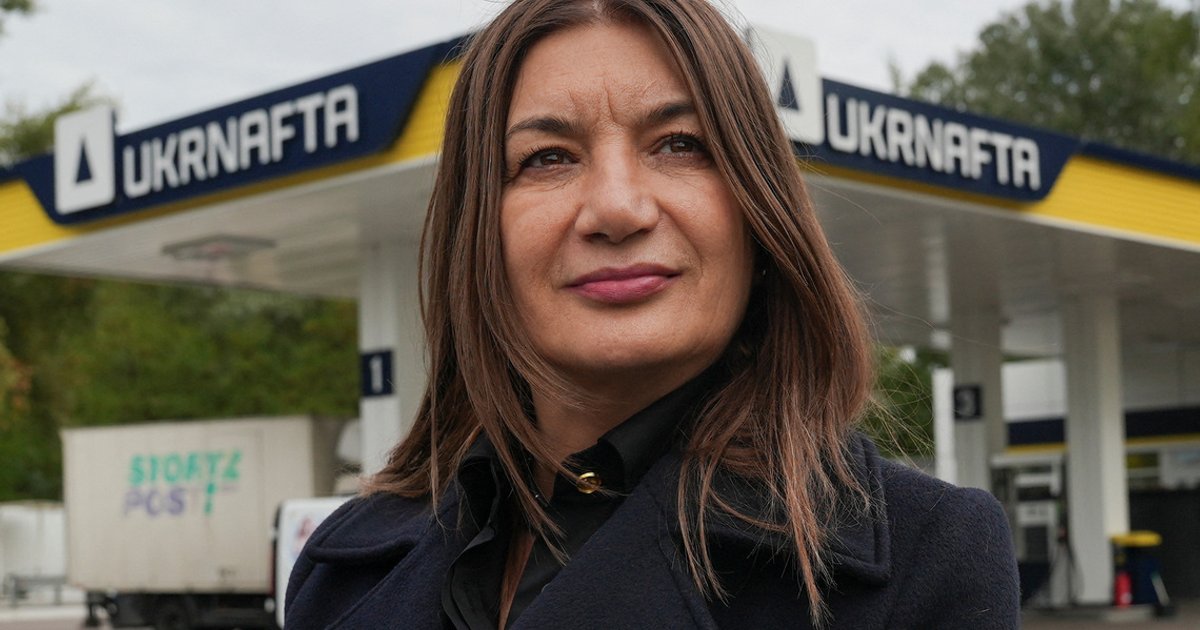
"We will protect the facilities.
asserted
We → protect → facilities
We will restore the facilities.
asserted
We → restore → facilities
We are ready for the winter," she said in an interview at an Ukrnafta station on the outskirts of Kyiv.
asserted
she → say → Kyiv
on the other side of the road, workers were rebuilding a station destroyed in a recent attack.
asserted
workers → rebuild → attack
In recent weeks, at least six Ukrnafta filling stations have been hit in Kyiv.
asserted
stations → hit → Kyiv
In total, Russia has destroyed more than 300 stations in the last six months, Energy Minister Denys Shmyhal said.
asserted
Shmyhal → destroy → months
Moscow says it does not deliberately target Ukraine's civilian infrastructure but it has stepped up attacks on populated areas as its forces struggle to advance on the ground.
asserted
forces → say → ground
Meanwhile, Ukrainian attacks on oil refineries have caused fuel shortages in Russia, which has introduced an export ban.
asserted
which → cause → ban
MITIGATING RISKS
To mitigate the risks in population centres such as Kyiv, where it has three dozen of its 660 stations, Ukrnafta has put up blast barriers made of wire-mesh cubes - or gabions - filled with sand.
asserted
Ukrnafta → mitigate → sand
The aim is to instal them in other cities soon.
asserted
aim → instal → cities
"When there is a yellow or red air alarm, we stop operations and ask customers to leave, and staff head to shelters," Zharska said.
asserted
Zharska → be → shelters
Russia is widely expected to intensify strikes on Ukraine's energy infrastructure once again as temperatures drop in winter.
asserted
temperatures → expect → winter
Ukrnafta has already equipped stations across its network with back-up diesel generators and contracted sufficient fuel imports to prevent supply gaps, Zharska said, adding:
"We will carry out our work."
asserted
We → equip → work
 The Aporia