Paul Burns, a Texas doctor and rancher, spent 40 years restoring his family's degraded land in Brown County, Texas. In 2023, he sold nearly $10 million worth of 2,178 acres to the Texas Parks and Wildlife Department for conservation, donating a quarter of its value. Starting in the mid-1970s with parcels acquired as they came on the market, Burns worked extensively to restore native prairie grasses, protect springs, and manage grazing practices after realizing the initial restoration efforts were misguided. His work included attending over 100 conferences and seminars and making significant ecological changes that transformed the land back into a thriving wildlife habitat.
Written locally by qwen2.5:14b on 2026-10-08,
using this article's own text rather than the other coverage of the
same event (that is the story summary below).
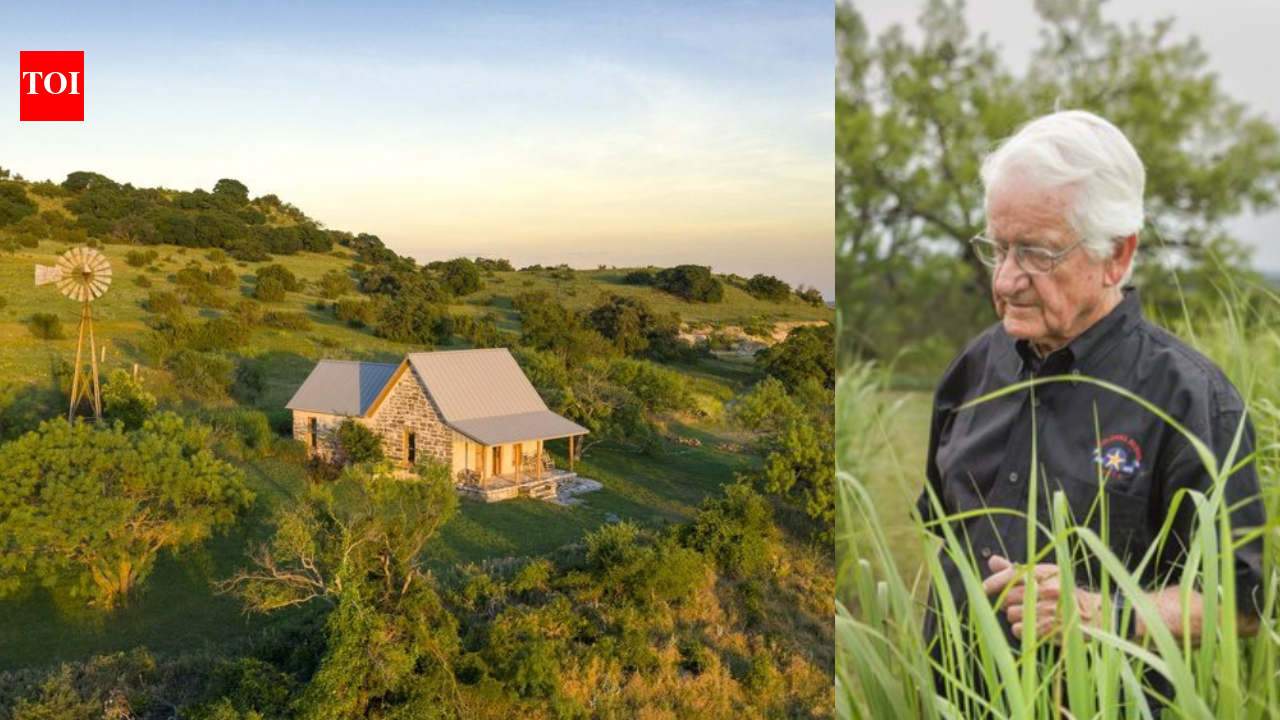
For four decades, Texas rancher and physician Paul Burns worked to restore land that had been part of his family's history since the 19th century.
asserted
that → work → century
What began as a severely degraded ranch in Brown County, Texas, gradually recovered through brush removal, native-grass reseeding, protection of springs and changes in grazing practices.
asserted
began → begin → practices
In 2023, 2,178 acres of the historic Colonel Burns Ranch were acquired by Texas Parks and Wildlife Department (TPWD) and became the Paul and Toni Fox Burns Wildlife Management Area.
asserted
acres → acquire → Department
The property had been appraised at close to $10 million, and Burns agreed to a bargain sale while donating 25% of the appraised value to help provide the required conservation funding match.
asserted
Burns → appraise → match
A Texas family ranch dating back to 1873
The story of the property began with Burns' great-grandfather, Simon Pierce Burns, who purchased the original tract in 1873.
asserted
who → date → 1873
The family eventually built a large cattle operation, but the Great Depression forced them to lose much of their ranch holdings.
asserted
Depression → build → holdings
In the mid-1970s, Paul Burns and his siblings began buying pieces of the former family property as parcels came back onto the market.
asserted
parcels → begin → market
Over time, they assembled about 6,000 acres, which became known as the Colonel Burns Ranch.
asserted
which → assemble → Ranch
Burns, born in Brownwood in 1938, had meanwhile pursued a medical career, studying at the University of Texas and Baylor College of Medicine before serving in the US Army during the Vietnam War and establishing an ear, nose and throat practice in Austin.
asserted
Burns → bear → Austin
Decades of work to bring back native habitat
When Burns and his family reacquired the land, it was in poor ecological condition after decades of intensive use.
asserted
it → bring → use
TPWD says the property had been overgrazed, native tall prairie had largely disappeared, severe soil erosion had occurred and historic wildlife populations had been heavily depleted.
asserted
populations → say → ?
Only one of the property's many historic springs was still flowing.
asserted
one → flow → springs
Burns initially thought restoring the ranch would be straightforward, but after about a decade he decided he needed to understand the landscape before trying to change it.
asserted
he → think → it
He attended more than 100 conferences and seminars, took courses at Texas A&M, visited successfully managed ranches and consulted TPWD, the Natural Resources Conservation Service and Texas AgriLife.
asserted
He → attend → TPWD
He also studied historical records to understand the landscape before settlement.
asserted
He → study → settlement
The restoration eventually involved removing hundreds of acres of brush, particularly invasive or excessive mesquite and cedar, while bringing back native prairie grasses.
asserted
restoration → involve → grasses
Burns personally followed bulldozers as they cleared selected areas and hand-seeded native grasses behind them.
asserted
they → follow → them
Sensitive springs were fenced to keep cattle away, while the family continued managing the property to prevent brush from returning.
asserted
family → fence → brush
A major change came after a 1995 Texas law allowed wildlife management to qualify for agricultural tax valuation.
asserted
management → come → valuation
The family subsequently removed cattle and focused on restoring the broader ecosystem.
asserted
family → remove → ecosystem
Burns retired from his medical practice in 1996 and devoted himself full-time to the ranch.
asserted
Burns → retire → ranch
Deer, turkeys and black-capped vireos returned
asserted
Deer → return → ?
The restoration gradually produced a landscape very different from the one Burns had inherited.
asserted
Burns → produce → one
TPWD now describes the Burns WMA as 2,178 acres of rolling grassland and limestone uplift dominated by mixed oak communities, with diverse ecological sites supporting a wide range of woody and herbaceous vegetation.
asserted
sites → describe → vegetation
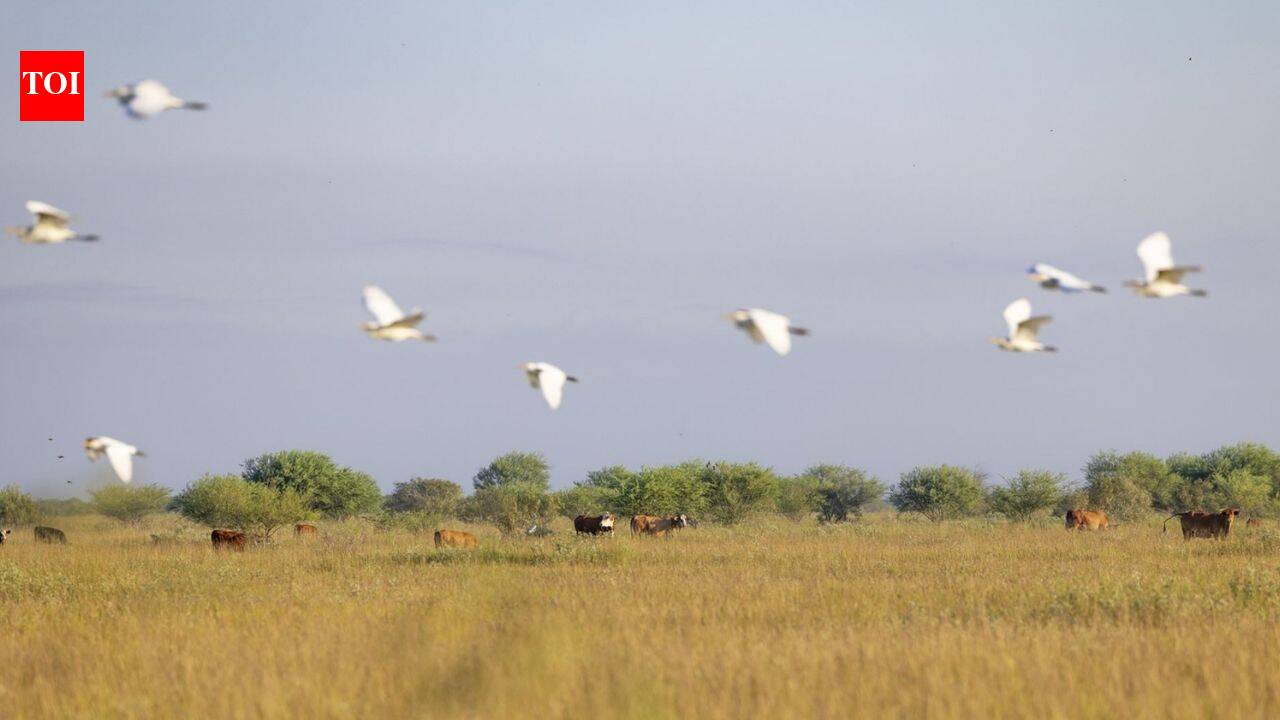
The agency says the property supports abundant white-tailed deer, Rio Grande wild turkeys and black-capped vireos, along with a diversity of pollinators and many other species.
asserted
property → say → pollinators
Its springs also contribute to the ecological diversity of the property.
asserted
springs → contribute → property
The conservation work had been recognised before the land entered state ownership.
asserted
land → recognise → ownership
In 2012, Paul and Toni Burns received TPWD's Lone Star Land Steward Award for their efforts.
asserted
Burns → receive → efforts
Burns also developed a close relationship with TPWD wildlife biologist Devin Erxleben, whom he met in 2009.
asserted
he → develop → 2009
The two shared an interest in habitat management, and Burns attended landowner workshops organised by Erxleben while opening his ranch for field days where other landowners could learn about restoration techniques.
uncertain
landowners → share → techniques
The Burns family also financially supported habitat work, research and outreach at the nearby Muse Wildlife Management Area.
asserted
family → support → Area
A nearly $10M property moved into public conservation
By 2022, the Burns family was considering what would happen to the ranch in the future and how its restoration could continue after they were no longer able to manage it themselves.
uncertain
they → move → it
TPWD was simultaneously looking for land that could become a wildlife management area in the region.
uncertain
that → look → region
The two interests eventually came together.
asserted
interests → come → ?
The ranch was appraised at close to $10 million, and Burns agreed to sell the 2,178-acre tract to TPWD at a bargain price.
asserted
Burns → appraise → price
Under the federal Pittman-Robertson Wildlife Restoration Act, wildlife habitat acquisitions can receive federal funding when a 25% match is provided.
asserted
match → receive → funding
Burns donated 25% of the property's appraised value to provide that match.
asserted
Burns → donate → match
The transaction closed in late 2023, exactly 150 years after the family's original acquisition of the ranch.
asserted
transaction → close → ranch
The transaction did not mean the entire historic ranch disappeared from family hands.
asserted
ranch → mean → hands
The Burns family retained approximately 100 acres, including their family home and an original 1898 homestead that Burns restored.
asserted
Burns → retain → that
…and 7 more, not listed.
 The Aporia