That is 0 articles you have read today.
The Aporia is free and carries no advertising, so readers are the only
thing paying for it. If you are getting this much out of it, a small
donation is what keeps it independent.
Daily limit reached
You have read 0 articles today.
That is more than the 15 a day The Aporia gives away,
and well past what it can carry on nothing. Your allowance resets at
midnight.
There is no advertising here and nothing about you is sold, so readers
are the only thing paying for it. If the site is worth this much of
your day, it is worth a few dollars.
Everything else stays open: the
maps, the
directory and
search do
not count against this, and neither does re-opening something you have
already read today.
UK government borrowing costs reached a 19-year high recently as global bond markets experienced significant volatility due to concerns over rising inflation. Specifically, the yield on 10-year UK government bonds rose to 5.515%, surpassing levels seen during the onset of the 2007 financial crisis. This development increases pressure on Chancellor John Healey ahead of his budget announcement in October, as he faces potential tax hikes and economic challenges to manage the country's finances amid higher borrowing costs and a weaker growth outlook.
Written locally by qwen2.5:14b on 2026-10-08,
using this article's own text rather than the other coverage of the
same event (that is the story summary below).
Story summary
On Thursday, medium-term borrowing costs for the UK government reached a 19-year high due to global investors selling off bonds amid inflation fears. The yield on 10-year UK government bonds surged to 5.515%, the highest since July 2007 when the financial crisis began. Similarly, yields on 20- and 30-year gilts also hit record highs not seen since 1998. This trend is likely to affect Chancellor John Healey's upcoming budget announcement on October 28th, as it could erase about half of the previously established £24bn buffer against fiscal rules set by his predecessor Rachel Reeves. Economists predict that Healey will need to raise taxes to stabilize finances and fund new policies.
Written for “UK Government Borrowing Costs High” on 2026-10-08,
grounded in this article and the 0 other(s) covering the same event.
Why this leaning score
This article does not take a side on a contested political
question, so it has no leaning score. That is an
answer rather than a gap: a match report or a rescue can be warmly
or critically written without being left or right, and scoring it
anyway is how approval of a subject gets recorded as a political
position.
No political leaning scored for article 65701 · logged 2026-10-08
Medium-term borrowing costs for the UK government hit a fresh 19-year high on Thursday, as investors continued to offload global bonds amid fears of rising inflation.
asserted
investors → hit → inflation
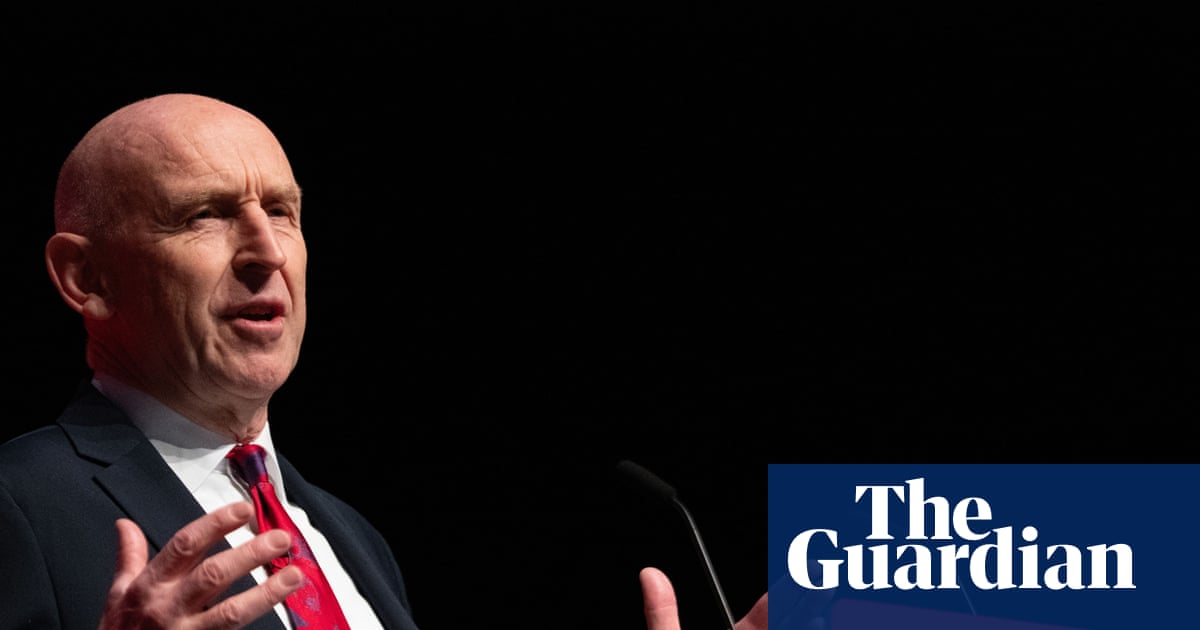
Recent dramatic moves in government bond markets have been driven by international factors, but will increase the pressure on John Healey ahead of his first budget as chancellor on 28 October.
asserted
moves → drive → October
The yield, or interest rate, on 10-year UK government bonds had jumped 0.06 percentage points by lunchtime in London, to 5.515%.
asserted
yield → jump → %
That was the highest level since July 2007, when the global financial crisis was starting to unfold.
asserted
crisis → start → July
Yields on 20- and 30-year UK government bonds, which are known as gilts, had also risen significantly, to their highest level since as long ago as 1998.
asserted
which → know → 1998
Yields go up when bond prices go down.
asserted
prices → go → ?
Economists believe rising borrowing costs and a weaker growth outlook are likely to have wiped out around half of the £24bn buffer against Labour’s fiscal rules that Healey’s predecessor, Rachel Reeves, built up at the time of her spring statement in March – perhaps significantly more.
asserted
predecessor → believe → March
Healey is expected to raise taxes at the budget to partly rebuild that cushion, as well as paying for policy interventions including the six-month VAT cut on electricity bills and a modest energy support package for the poorest households.
asserted
Healey → expect → households
Some economists are warning the chancellor not to go too far in rebuilding the Treasury’s headroom, however.
asserted
economists → warn → headroom
Andrew Wishart, of Berenberg Bank, said: “Raising taxes to keep the surplus close to the size it was in the March forecast (ie to ‘maintain the headroom’) would do unnecessary damage to economic incentives.”
asserted
it → say → incentives
He argues that gilt yields are likely to come back down over the next year, with the Bank of England likely to make fewer rate rises than the four that investors currently expect.
asserted
investors → argue → that
The Bank is widely expected to raise interest rates at its November meeting to tackle surging inflation, echoing moves already made by the European Central Bank, Federal Reserve and Bank of Japan.
asserted
Bank → expect → Japan
The bond selloff has intensified across big economies in recent days, as oil prices have soared, with no resolution of the Middle East conflict in sight.
asserted
prices → intensify → sight
Investors appear to be anxious about higher inflation and runaway government spending.
asserted
Investors → appear → inflation
France has been hardest hit, as Paris battles to pass a budget, but the selloff has been widespread.
asserted
selloff → hit → budget
Kristalina Georgieva, managing director of the International Monetary Fund (IMF), has urged governments to tighten their belts in response to rising bond yields.
“My message to the world’s economic policymakers will be this: we cannot keep delaying necessary policy action – you have the tools, now have the wisdom to use them,” she said, ahead of next week’s IMF annual meeting in Bangkok.
asserted
she → urge → Bangkok
Higher yields not only push up costs for indebted governments, but have knock on effects for borrowers across the economy, including homeowners and businesses.
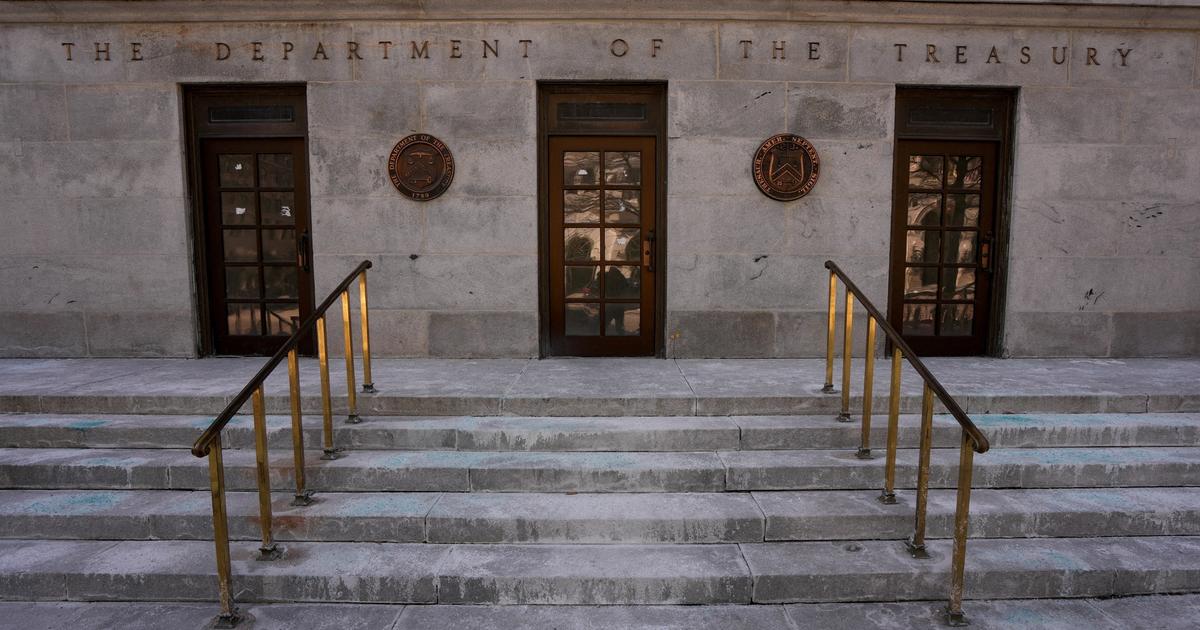
The US Treasury secretary, Scott Bessent, has tried to rein in yields on the US’s long-term debt by increasing buybacks of its government bonds, known as treasuries, but the policy appears to have had little impact.
Yields on the 30-year treasuries targeted by Bessent’s policy were about 5.235% when he announced the doubling of buybacks in August, but have since surged above 5.7%.
asserted
he → push → %
 The Aporia