Story summary
El Niño, a natural climate pattern causing changes in winds and rainfall globally, is intensifying rapidly. According to NOAA, sea surface temperatures in the tropical Pacific have reached record highs this fall, with temperatures 6.1 degrees Fahrenheit higher than normal. The agency predicts a 90% chance of a very strong event this winter, potentially surpassing any El Niño since 1950.
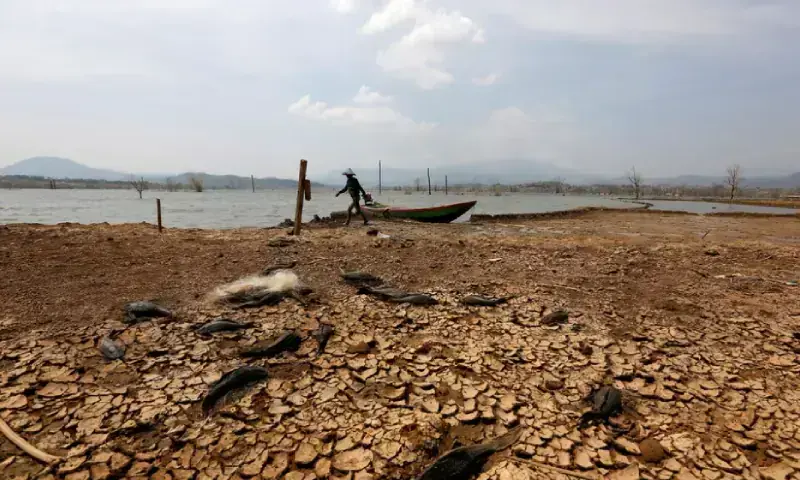
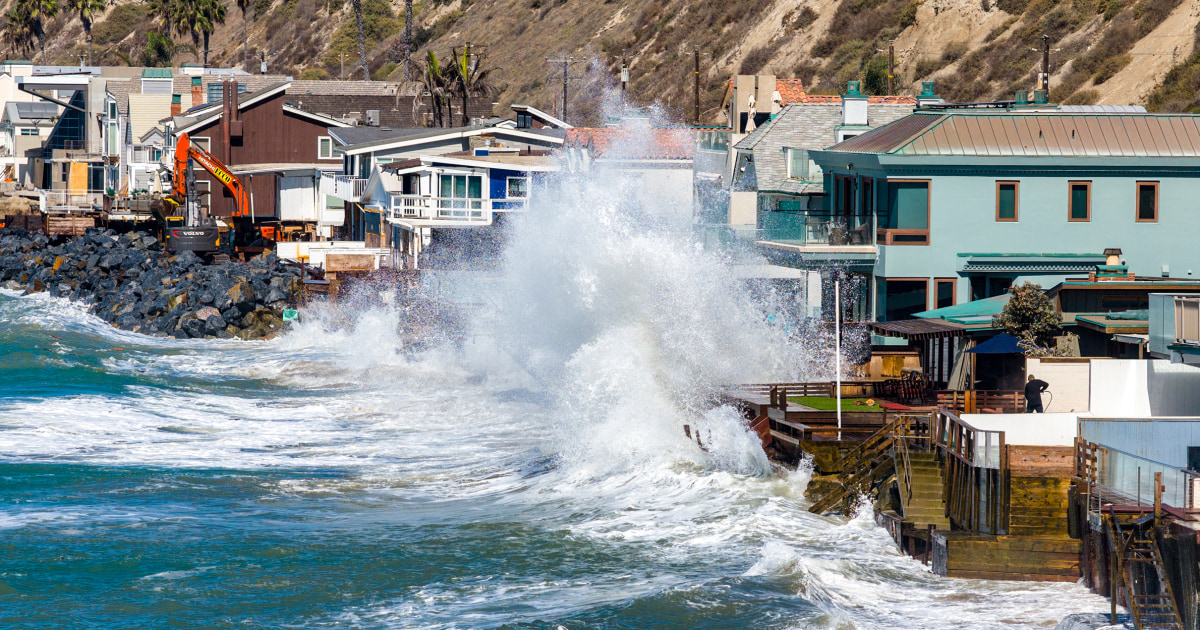
The World Meteorological Organization (WMO) confirms that El Niño will peak in December and bring above-average temperatures worldwide, increasing the risk of droughts and floods. UNICEF warns hundreds of millions of children could face dangerous conditions due to extreme weather events linked to El Niño. The phenomenon is expected to persist into spring 2024, significantly impacting global weather patterns and exacerbating man-made climate change effects.
Scientists like Zeke Hausfather note that current anomalies are at 3.4°C above normal in the Niño 3.4 region, higher than any previous El Niño event on record. This suggests the planet is entering uncharted territory with significant impacts across various regions.
Written for “El Nino Intensifies” on 2026-10-08,
grounded in this article and the 2 other(s) covering the same event.
Super El Niño is continuing to intensify, scientists have warned, with new forecasts suggesting the climate phenomenon could maintain its grip on global weather well into next year.
uncertain
phenomenon → continue → year
Experts say the event is now pushing into unprecedented territory, with vast swathes of the planet forecast to experience unusually warm conditions as the Pacific Ocean releases enormous amounts of stored heat.
asserted
Ocean → say → heat
The latest update from the World Meteorological Organization (WMO) predicts that El Niño will continue strengthening ahead of a forecasted peak in December.
asserted
Niño → predict → December
Scientists say the powerful climate pattern is likely to influence temperatures and rainfall across much of the world in the coming months.
asserted
pattern → say → months
Britons have already been warned to expect large storms this autumn and winter, with the Department for Environment, Food and Rural Affairs urging people last month: 'If you've got a store of a bit of food that can keep you going for a while before the emergency services can get to you, you're going to be a lot better off than if you haven't.'
asserted
you → warn → you
The latest warning comes as meteorologists share striking maps showing large areas of the globe shaded red, indicating a heightened likelihood of above-average temperatures.
asserted
areas → come → temperatures
This map suggest Earth's climate engine is running hot, with unusually warm conditions forecast across much of the globe during the coming months as the powerful El Niño gathers strength.
asserted
Niño → suggest → strength
Pictured: The probability of above-average temperatures in November
Forecasters expect Super El Niño to peak in December and remain strong into the spring of next year
According to the WMO, there is a near-100 per cent chance that El Niño will persist through February next year.
uncertain
Niño → picture → February
US meteorologist Ryan Maue described the outlook in a post on X, writing: ‘New maps show Earth almost entirely in the red.
‘El Niño continues at 'maximum power' into the winter with planetary heating dialled up everywhere except the United States.’
The agency says the event could rank among the strongest observed since at least 1950.
uncertain
event → describe → 1950
WMO Secretary-General Celeste Saulo said: ‘El Niño is firmly established and strengthening rapidly.’
asserted
Niño → say → ?
She explained that El Niño does not create new heat but instead releases heat that has accumulated beneath the ocean surface.
asserted
that → explain → surface
‘The ocean it's drawing from is the warmest we've ever measured it,’ Professor Saulo said.
asserted
Saulo → draw → it
The widely used Niño 3.4 index rose from 1.6°C above normal in June to 2.5°C above normal in August, highlighting the rapid strengthening of the event.
asserted
index → use → event
WMO forecasts suggest the October-to-December average anomaly could reach about 3.7°C, with conditions peaking around December.
uncertain
conditions → suggest → December
Experts say the event is now pushing into unprecedented territory, with vast swathes of the planet forecast to experience unusually warm conditions
Scientists have warned that this year's 'Super El Niño' has already smashed historical temperature records, months before reaching its peak
Climate scientist Zeke Hausfather said: ‘This year's El Niño continues its climb into uncharted waters.
‘Niño 3.4 region anomalies are now at 3.4°C above normal, higher than any prior El Niño event on record.'
Climate and energy researcher Leon Simons joked that forecasters are witnessing a ‘super-duper El Niño’, adding: ‘We're going to need a bigger y-axis.’
The update also points to an overwhelming likelihood of above-average sea surface temperatures across large parts of the globe during the final months of 2026.
asserted
update → say → 2026
Scientists warn that the combination of a powerful El Niño and exceptionally warm oceans could increase the risk of heat extremes, floods and droughts in different regions of the world for months to come.
uncertain
combination → warn → months
Figures show that while sea surface temperatures are expected to start to slowly decrease in early 2027, El Niño will persist well into March.
asserted
Niño → show → March
El Niño is part of a naturally occurring weather cycle called the El Niño Southern Oscillation that changes between a hot and cool phase once every two to seven years.
asserted
that → occur → phase
During the hot, El Niño part of the cycle, the trade winds that normally blow warm water from the Pacific towards Australia slow or even reverse.
asserted
that → blow → Australia
This allows warm water to collect near the surface of the equatorial Pacific Ocean off the west coast of South America, driving up global average temperatures.
asserted
water → allow → temperatures
Scientists have warned that this year's 'Super El Niño' has already smashed historical temperature records, months before reaching its peak.
asserted
Niño → warn → peak
Britons have been told to prepare for a stormy autumn thanks to the weather phenomenon.
asserted
Britons → tell → phenomenon
According to scientists, Britons should prepare for 'heavy rainfall and flooding' from as early as October.
uncertain
Britons → accord → October
'A strong El Niño is likely to increase the chances of wetter, stormier conditions for the UK from October to December,' said Dr Amulya Chevuturi, senior hydroclimate scientist, UK Centre for Ecology & Hydrology.
asserted
Chevuturi → increase → Ecology
'The North West is expected to be worse affected than the South East.'
asserted
West → expect → East
A bit of rain might sound quite appealing following the months of relentless heat.
uncertain
bit → sound → heat
However, Professor Bill McGuire, Professor Emeritus of Geophysical Hazards, warns that the stormy autumn will likely be followed by a bitterly cold winter.
'Powerful El Niños typically bring mild, stormy Autumns and early Winters to the UK, followed by bitter cold, although this isn't set in stone,' he said.
asserted
he → warn → stone
 The Aporia