That is 0 articles you have read today.
The Aporia is free and carries no advertising, so readers are the only
thing paying for it. If you are getting this much out of it, a small
donation is what keeps it independent.
Daily limit reached
You have read 0 articles today.
That is more than the 15 a day The Aporia gives away,
and well past what it can carry on nothing. Your allowance resets at
midnight.
There is no advertising here and nothing about you is sold, so readers
are the only thing paying for it. If the site is worth this much of
your day, it is worth a few dollars.
Everything else stays open: the
maps, the
directory and
search do
not count against this, and neither does re-opening something you have
already read today.
Italy's lower house of parliament approved a new electoral law on October 8, designed primarily by Prime Minister Giorgia Meloni to ensure more stable government through a purely proportional voting system. The reform includes a majority bonus: coalitions that win over 42% of the vote will receive extra seats in both houses of parliament, capped at 220 for the Chamber of Deputies and 113 for the Senate. Critics argue that this change could unfairly benefit Meloni's ruling coalition while making it harder for smaller parties to gain representation due to increased signature requirements.
Written locally by qwen2.5:14b on 2026-10-08,
using this article's own text rather than the other coverage of the
same event (that is the story summary below).
Story summary
On October 8, 2026, the Italian Parliament approved a new electoral law designed to ensure greater stability in governance and potentially favor Prime Minister Giorgia Meloni's ruling coalition ahead of the next general election. The reform introduces a fully proportional system that guarantees a parliamentary majority to any alliance winning more than 42% of the vote, with additional seat bonuses for coalitions surpassing this threshold. Critics argue the law is tailored to boost Meloni’s chances of re-election in 2027, while supporters claim it aims to ensure stable governance similar to the current longest-serving government since World War II. However, some analysts suggest the reform could backfire if opposition parties manage to unite under a single candidate.
Written for “Italian Electoral Law Reform” on 2026-10-08,
grounded in this article and the 3 other(s) covering the same event.
Why this leaning score
The model judged this article politically coded and scored it +0.15, but all 2 of its quote(s) are attributed speech - words the article quotes from someone, not the article's own narration, so the score is not published.
Written under an earlier scoring contract, which gave a paragraph
rather than checkable quotes. Re-analysing this article replaces it.
Leaning score withheld for article 65425: attributed speech only · logged 2026-10-08
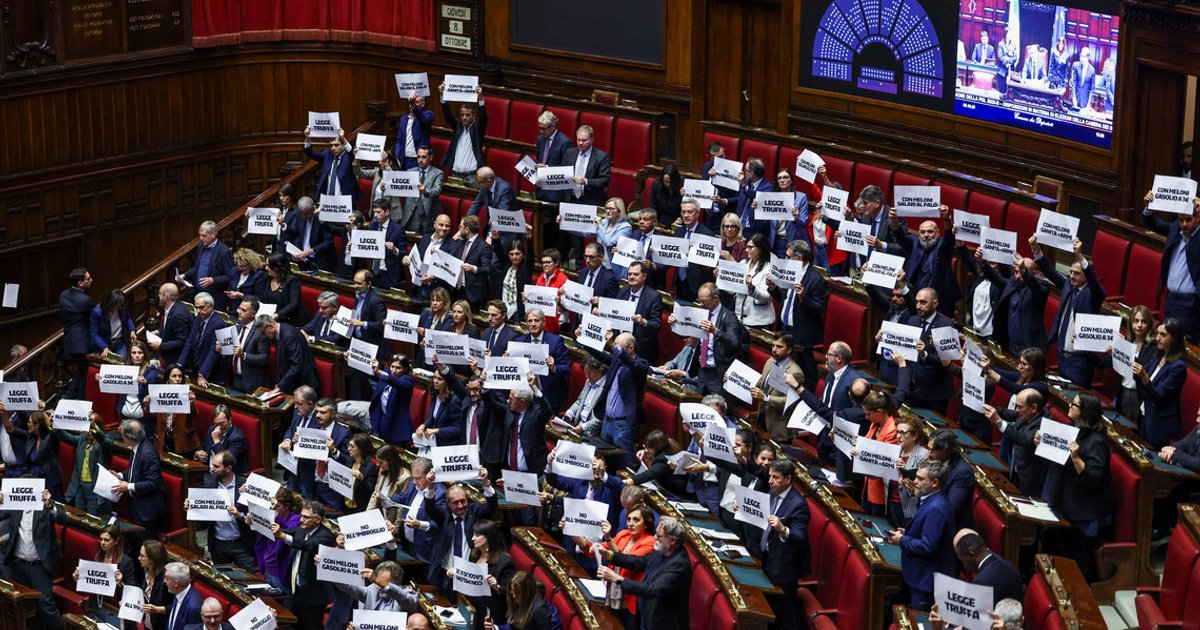
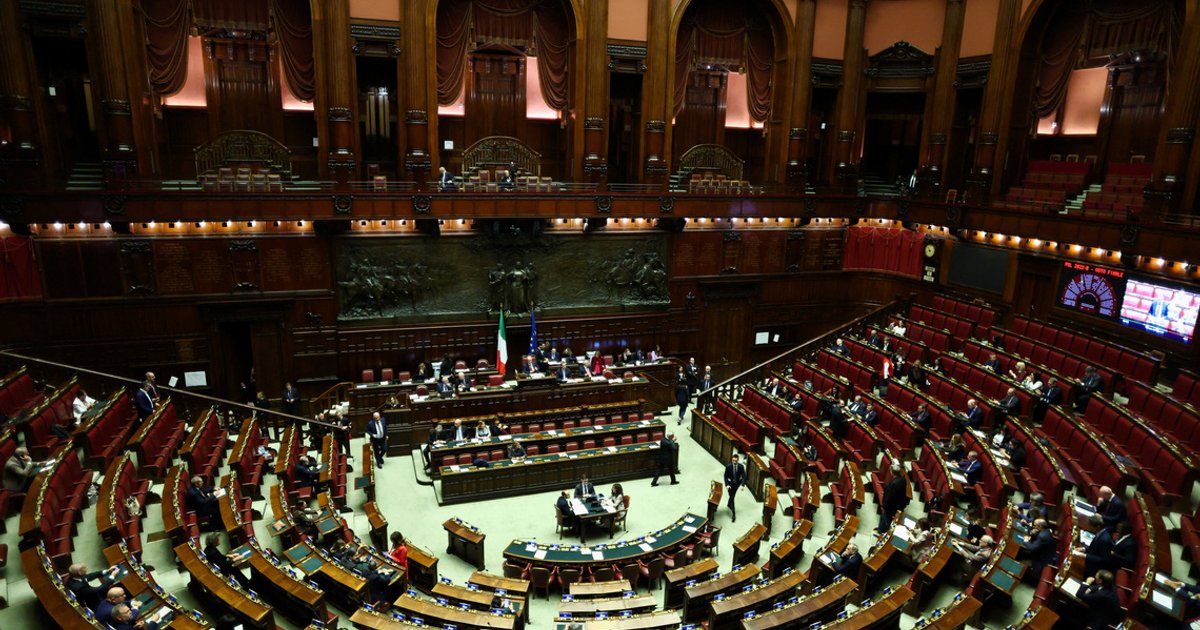
Italy's lower house of parliament on Thursday gave final approval to new voting rules ahead of a general election due next year, completing a reform championed by Prime Minister Giorgia Meloni.
asserted
house → give → Meloni
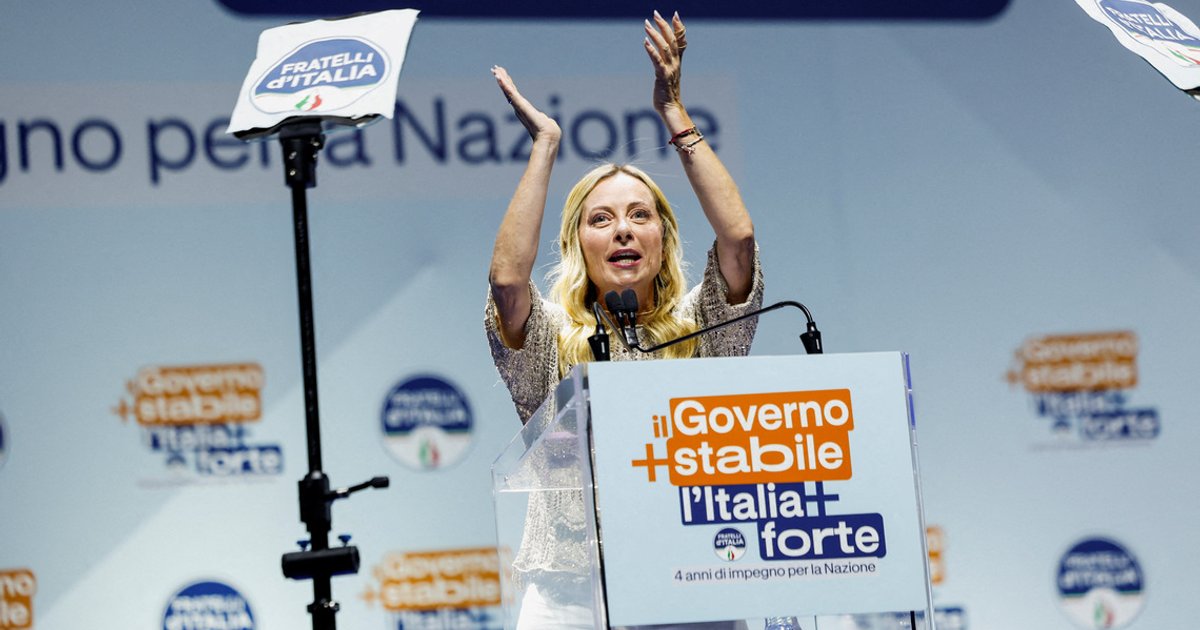
Meloni, whose government last month became the longest-serving since World War Two, says the new rules are intended to increase the prospect of stable government.
asserted
rules → become → government
The opposition says the goal is to favour her ruling coalition at the election.
asserted
goal → say → election
The reform introduces a purely proportional system (PR), replacing the previous hybrid one by which around two thirds of seats were elected by PR and one third in first-past-the-post races.
asserted
thirds → introduce → races
To boost stability, a working majority will be guaranteed to any coalition that wins more than 42% of the vote.
asserted
that → boost → vote
Italy's two main camps are Meloni's conservative alliance and the centre-left bloc, which includes the Democratic Party and the 5-Star Movement.
asserted
which → include → Party
SEAT BONUS
A coalition surpassing the 42% threshold will receive a "majority bonus" of 70 seats in the 400-member Chamber of Deputies and 35 seats in the 200-member Senate.
asserted
coalition → surpass → Senate
However, to avoid excessively large majorities, the bonus is capped to prevent the winner getting more than 220 seats in the Chamber and 113 in the Senate.
asserted
winner → avoid → Senate
If more than one coalition passes the 42% threshold, the one with most votes will get the bonus.
asserted
one → pass → bonus
PRIME MINISTER CANDIDATE
Each coalition or party running outside a coalition must indicate their candidate for prime minister.
asserted
coalition → run → minister
However, under Italy's constitution the president formally chooses the prime minister, meaning the party designation will not be legally binding.
asserted
designation → choose → minister
MINIMUM THRESHOLDS AND SIGNATURES
Coalitions must secure at least 10% of the vote to enter parliament, while individual parties, both inside and outside coalitions, must obtain at least 3%.
asserted
parties → secure → %
The reform raises to 6,000 from 1,500 the number of signatures parties currently outside parliament must gather in each constituency to field candidates.
asserted
parties → raise → candidates
Critics say this makes it harder for small or new parties to compete in the elections.
asserted
parties → say → elections
 The Aporia