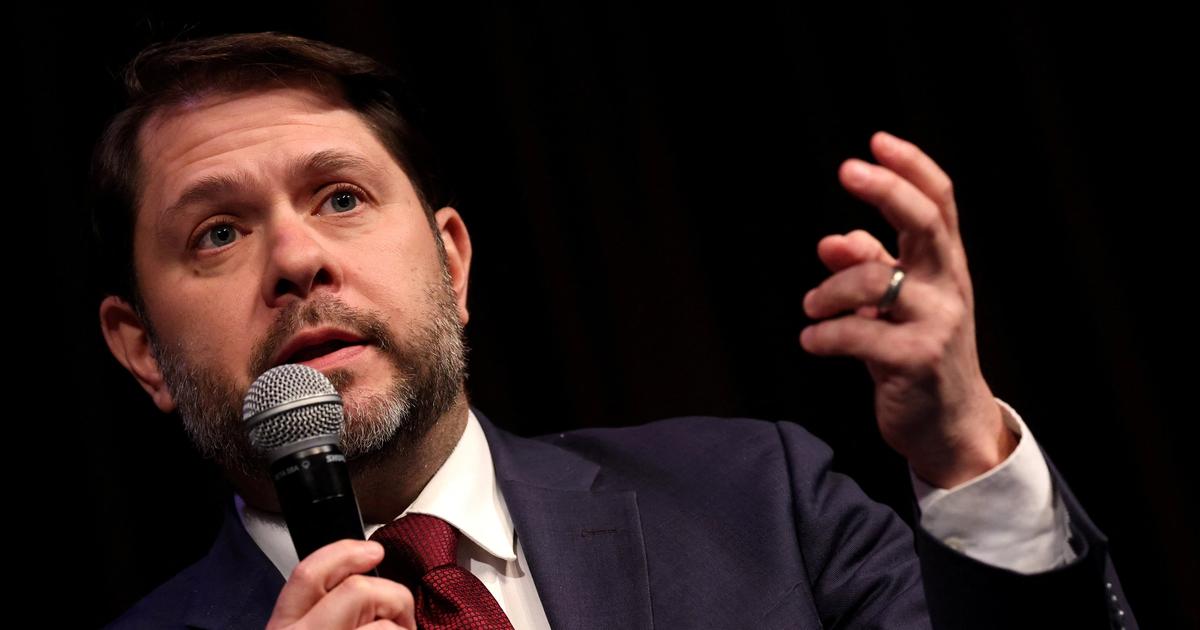
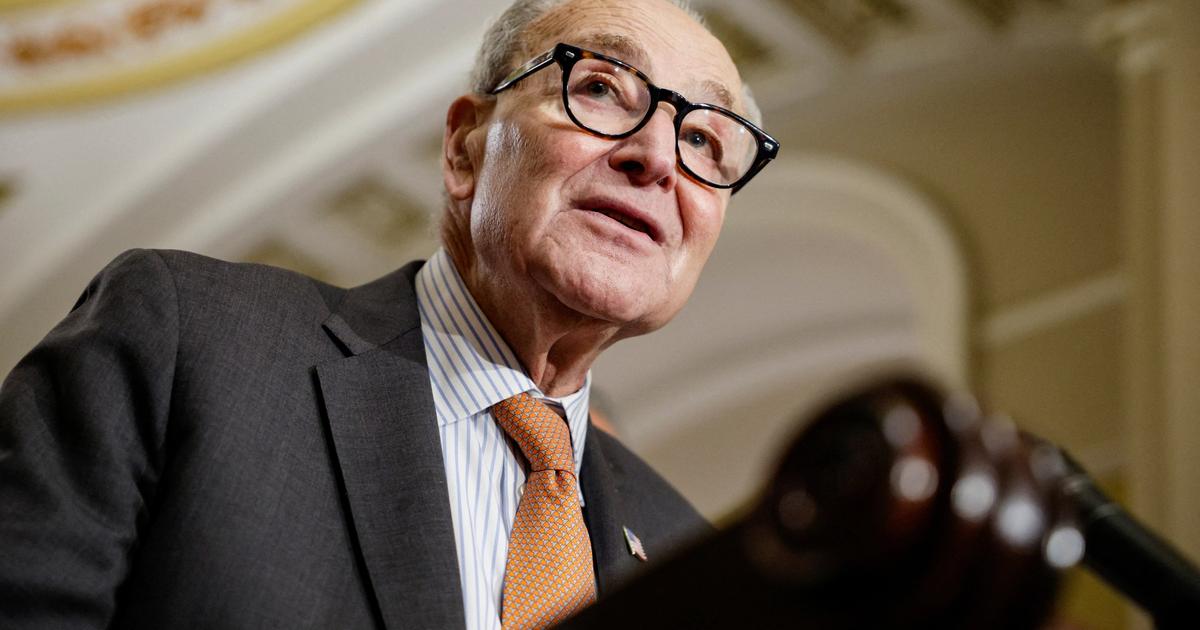
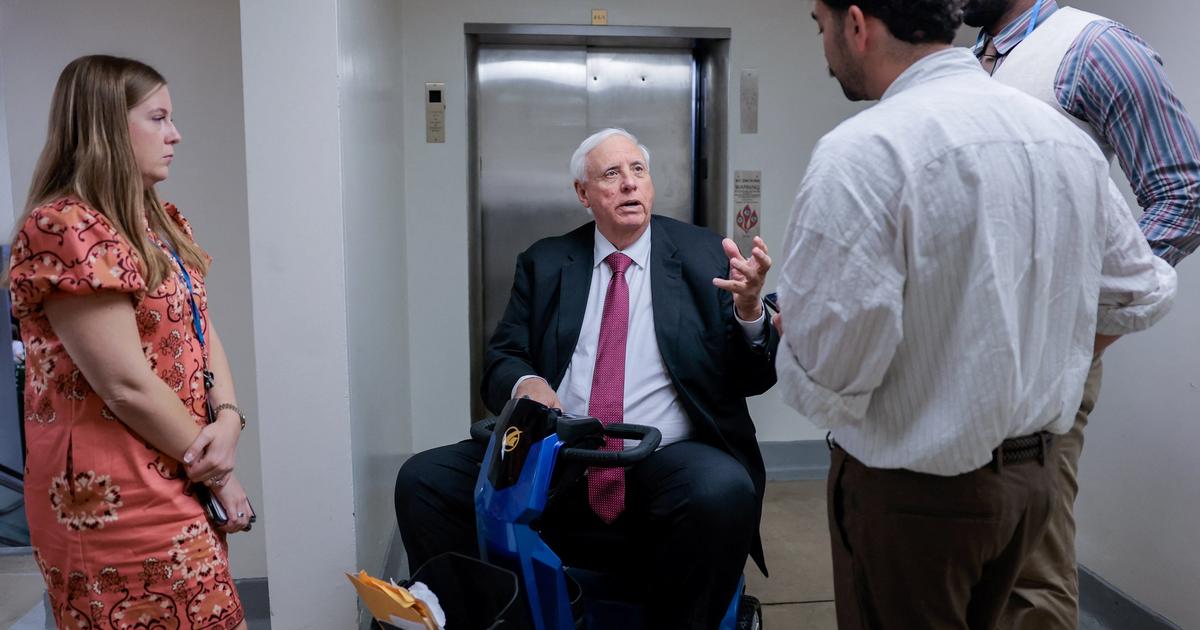
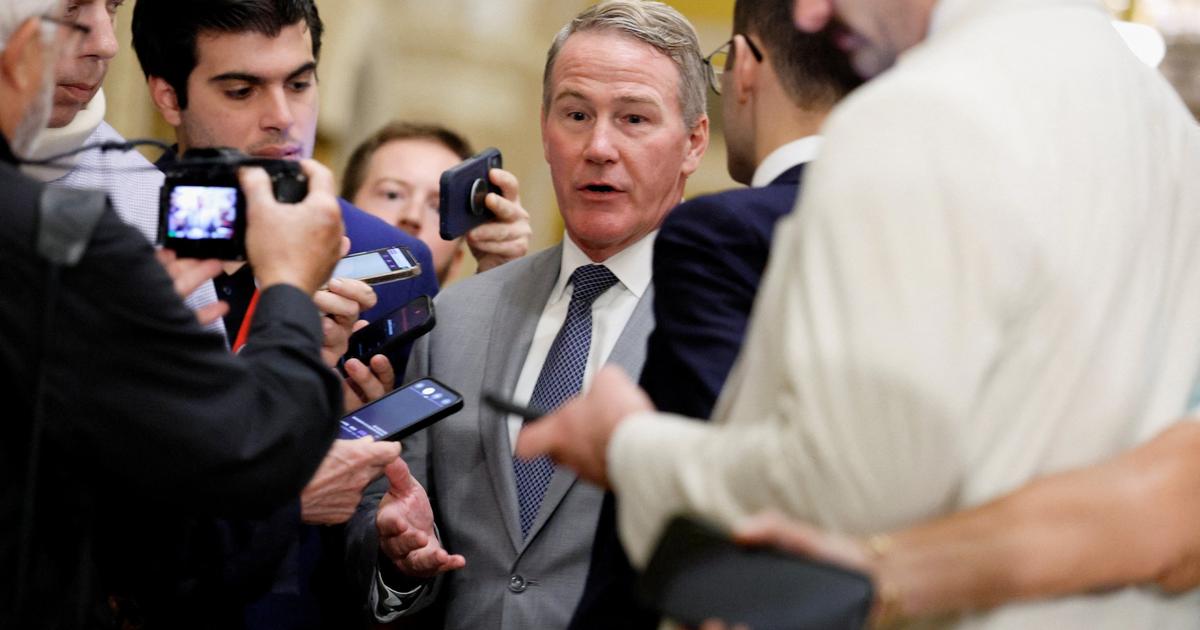
Senators Jeff Merkley, D-Ore., and Steve Daines, R-Mont., propose bipartisan changes to the Senate rules aimed at increasing legislative productivity before a new Congress begins. The proposal includes eliminating procedural votes for certain bills and nominees while maintaining filibuster protections, shortening debate periods, and creating a fast-track process for passing popular legislation with a two-thirds majority. Their goal is to reduce gridlock and waste of time caused by current Senate practices, addressing concerns from fellow senators about the chamber's dysfunction.
Written locally by qwen2.5:14b on 2026-10-08,
using this article's own text rather than the other coverage of the
same event (that is the story summary below).
A bipartisan pair of senators wants to do something bold before a new Congress takes over: Fix the Senate’s frequently maligned rules.
asserted
Congress → want → rules
No, Sens. Jeff Merkley, D-Ore., and Steve Daines, R-Mont., don’t want to end the filibuster.
asserted
Merkley → want → filibuster
But they have a proposal that would allow more bipartisan bills to get votes, end time-wasting procedures, and actually allow popular bills to come to the Senate floor and pass, according to details reviewed by Semafor.
uncertain
bills → have → Semafor
“More bills passed, more votes taken, less time wasted.
asserted
votes → pass → ?
That sums up,” Daines told Semafor in a joint interview with Merkley.
asserted
Daines → sum → Merkley
It’s a big undertaking for the odd couple, but the effort has more momentum behind it than one would expect.
asserted
one → ’ → it
Merkley is the Senate’s resident rules expert and has literally written the book on Senate gridlock.
asserted
Merkley → write → gridlock
Daines, who is retiring, is close to two of the people they’ll need on board to pass the proposal: President Donald Trump and Senate Majority Leader John Thune.
asserted
they → retire → proposal
When Daines started exploring how to fix the Senate, all roads led to Merkley, who wrote Democrats’ last rules change proposal and spearheaded the push to end the 60-vote threshold for nominees.
asserted
who → start → nominees
The senators told Semafor they hear plenty of complaints from their colleagues about the Senate’s sluggish progress as an institution.
asserted
they → tell → institution
One senator can force a week of debate on a popular bill, the government often runs on zombie continuing resolutions, and securing an amendment vote often requires consent from all 100 senators.
asserted
securing → force → senators
What’s more, plenty of time is wasted for antiquated time rules like the “intervening day” on legislation or “post-cloture time” — things Senate hopefuls aren’t exactly briefed on when they launch their campaigns.
asserted
they → ’ → campaigns
“‘We had productive professional lives in functional institutions, and what the hell happened to the Senate?’” Merkley said, summing up complaints he’s heard from colleagues.
asserted
he → have → colleagues
“The American people are saying the same thing.”
asserted
people → say → thing
“One thing you see here is people thinking about going home and being a governor.
asserted
people → see → ?
Because states are not paralyzed the way the US Senate and House are,” the Oregon Democrat added.
asserted
Democrat → paralyze → ?
Daines agreed: “We have morale challenges now in the United States Senate.”
asserted
We → agree → Senate
The two senators have four major asks:
asserted
senators → have → asks
They want to get rid of procedural (known as cloture) votes to begin debate on nominees, bills, and amendments while retaining the ability for the lawmakers in the minority to oppose efforts to close debate on controversial bills via the filibuster.
asserted
lawmakers → want → filibuster
Under their proposal, the intervening day before a vote to break a filibuster would be eliminated and debate time condensed, removing dead time from the Senate floor.
asserted
time → intervene → floor
They also want to establish a fast-track suspension calendar, not unlike the House, that would allow the Senate to more quickly take up bills at a supermajority requirement of two-thirds of the Senate.
asserted
Senate → want → Senate
Debate time for those bills would be limited and require coordination from committee leaders in both parties to get on the fast-track.
asserted
time → limit → track
Daines and Merkley also want committee leaders to have a one-day fast-track for considering popular bills with strong committee support from both parties that would allow those bills to pass the Senate with a simple majority.
asserted
bills → want → majority
Finally, their proposal would give Appropriations Committee leaders a quick route to the Senate floor for popular spending bills with plentiful spending amendment opportunities.
asserted
proposal → give → opportunities
It’s a tradeoff that would still allow the Senate minority to stop party-line bills or those without broad support and require real work by committee chairs and ranking members to get their products on the Senate floor.
asserted
minority → ’ → floor
But it would ensure that, like the House, a bill with two-thirds support can come to the floor quickly.
asserted
bill → ensure → floor
It would minimize the ability of a single senator to block bills with huge support, like last week when Sen. Rand Paul, R-Ky., blocked the popular Kids Online Safety Act.
asserted
Paul → minimize → Act
“The goal here is to not make this a political fight.
asserted
this → make → ?
I think what we have proposed here is durable, regardless of which party is in power.
asserted
party → think → power
We realize the benefits, no matter if Ds or Rs have a gavel,” Daines said.
asserted
Daines → realize → gavel
“Across the last four Congresses, there have been 665 bipartisan bills passing through committees that go to the elephant graveyard.”
asserted
that → pass → graveyard
The pair is already talking to their respective party leaders about modernizing the Senate rules and they’re optimistic about getting it passed at the required 67-vote threshold for a rules change.
asserted
it → talk → change
Daines is keeping Thune apprised.
asserted
Daines → keep → Thune
Thune spokesman Ryan Wrasse said “Thune is always open to discussing ways to make the Senate function in a more effective and efficient way, and he applauds Sen. Daines for thinking outside the box.
asserted
he → say → box
Since no rules change can be implemented unilaterally, building a bipartisan consensus will be key to any modification of the existing process.”
asserted
building → implement → process
Merkley said he talked to Senate Minority Leader Chuck Schumer and the Democratic leader “didn’t say, ‘stop the discussion.’”
asserted
leader → say → discussion
Schumer and Thune “recognize that there is frustration and dysfunction that merits a conversation,” Merkley said.
asserted
Merkley → recognize → conversation
Trump, of course, wants to just kill the filibuster entirely.
asserted
Trump → want → filibuster
But Daines said the president’s team is engaged in their talks too.
asserted
team → say → talks
“We also ran the traps with key players in the White House.
asserted
We → run → House
…and 17 more, not listed.
 The Aporia