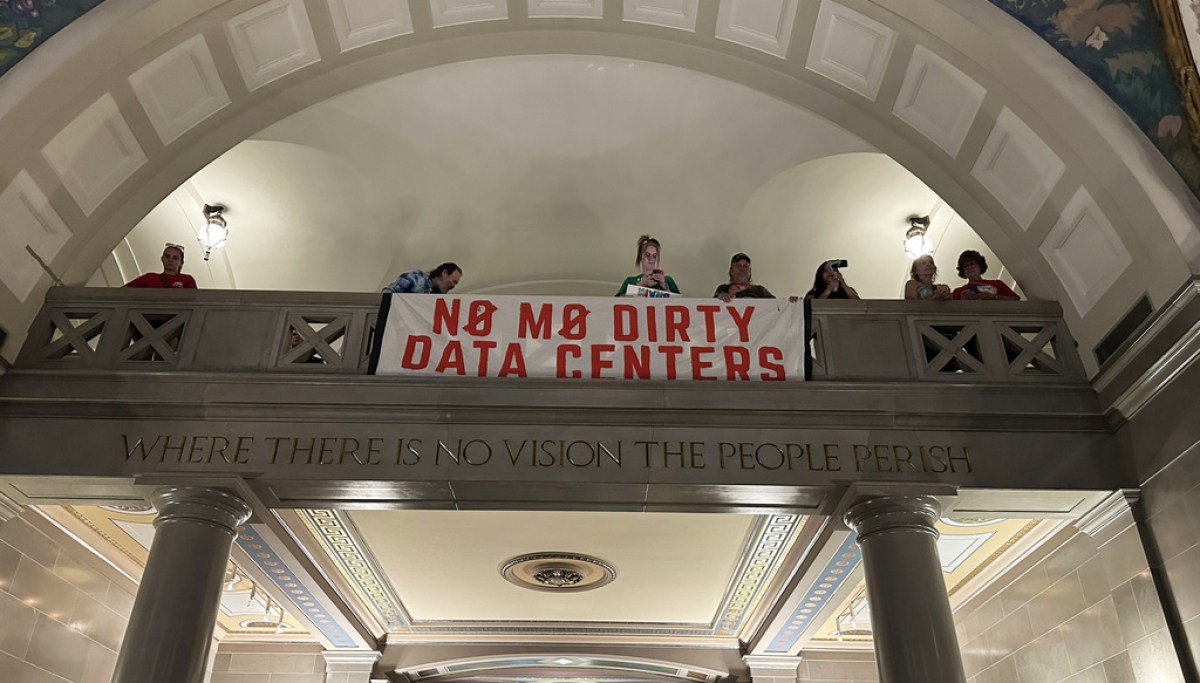
List: Where all the candidates in competitive Senate races stand on data centers

Read the original at Washington Examiner ↗
Washington Examiner · collected 2026-10-08 · by Maydeen Merino

Quick Summary

This article provides an overview of major U.S. Senate candidates' positions on data center expansion and regulation in competitive races across 13 states. For example, Georgia's Jon Ossoff, a Democrat, has not called for a moratorium but advocates that data centers should cover their energy costs, citing the need to address power bill increases due to large-load customers like data centers. Republican candidate Mike Collins opposes federal intervention and supports local decision-making regarding data center projects. In North Carolina, Democratic nominee Roy Cooper suggests that communities should have final say over development, including potential moratoriums, while also emphasizing developers' responsibility for full cost coverage of their power use.
Written locally by qwen2.5:14b on 2026-10-08, using this article's own text rather than the other coverage of the same event (that is the story summary below).

AI analysis runs on qwen2.5:14b, locally

Story summary

In Georgia’s Senate race, Senator Jon Ossoff and his Republican opponent Michael Whatley have differing stances on the rapid expansion of data centers in the state. While Ossoff does not support a moratorium on new data center construction, he advocates that these facilities should cover their energy costs to prevent increased utility bills for other residents. Meanwhile, reports suggest that Whatley has consulted secretly for a data center company while campaigning and personally profited from its stock gains. The Ratepayer Protection Act, passed by the House but blocked in the Senate due to insufficient regulatory requirements, aims to ensure states consider new standards for data centers regarding infrastructure costs. This debate highlights growing voter concern over the economic impacts of data centers on energy usage and local communities.

Written for “Senate Candidates Data Center Stances” on 2026-10-08, grounded in this article and the 0 other(s) covering the same event.
Why this leaning score
The article's own words the score was based on. Each is quoted verbatim and was checked against the article text before being stored, so you can find it in the original.
Reading Leans left (beta estimate) Confidence medium 1 quote(s) discarded as not found in the article
Leaning: leans left for article 65138 (medium confidence, 1 verified quote) · logged 2026-10-08

Signals How these are calculated →

Claims extracted
207
claim-shaped sentences
Uncertain
2%
5 of 207 hedged
Leaning
Leans left
of the writing, not the subject · beta estimate
Correction & hedging signals
72.3
corrections and hedging in what we collected; not a measure of accuracy
Outlets on this story
1
Politics
Narrative spread
1
articles carrying this framing
Analyzed 2026-10-08 · how these are computed

Story

📰 Senate Candidates Data Center Stances
Politics · 1 article(s) covering the same event.

How this is being covered How these are calculated →

Article leaning vs. publisher reliability
Source leaning vs. consistency

Compared with similar articles

This article reads leans left and hedges 2% of its claims. Each row says how that neighbour differs.
The Guardian
⚖️ Leans left 🔴 5% hedged 3 of 56 📰 publisher trust 60
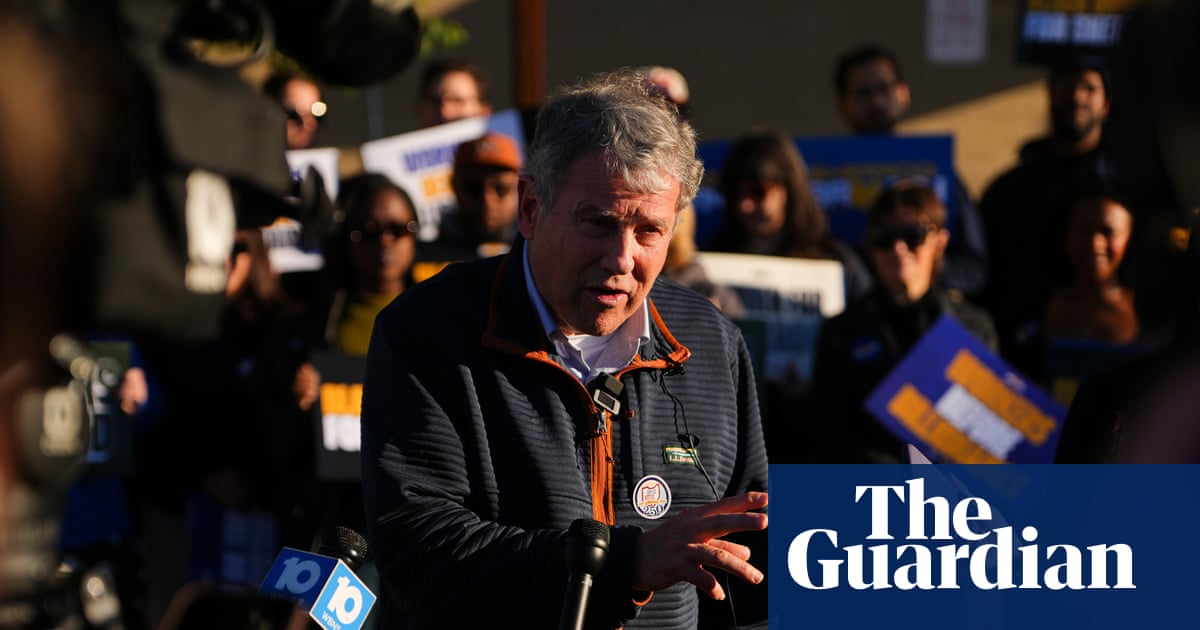
“Article A is about Senate candidates' stances on data centers in general, while Article B focuses on Senator Sherrod Brown's campaign and his specific outreach to voters.”

Publisher

Washington Examiner · 2234 article(s) · 3 correction(s) detected
Running correction rate · 3 correction(s)
2026-10-03
Tennessee’s prison chief resigns after failed Christa Pike execution, Bill Lee says
2026-10-03
Alito says there’s no perfect time to retire while confirming he will reconsider next year
2026-10-01
Christa Pike was set to be the first woman to be executed in Tennessee in 200 years before botched attempts: What to know

Who wrote this

Maydeen Merino
24 article(s) here · 1 carrying a prediction
🔮 In April, the senator sent a letter to the Federal Energy Regulatory Commission announcing that his office would investigate whether data centers increased power bills in the state.
🔮 By the end of the year, many nuclear plants in the United States will be using artificial intelligence.
🔮 The finalists for the 2026 Nikon Comedy Wildfire Awards were announced over the weekend, with the winner set to be revealed on Dec. 8.
🔮 President Donald Trump is set to expand access to tax-exempt dyed diesel in an effort to lower fuel costs ahead of the midterm elections.
🔮 We’re kicking off this week with the Supreme Court starting its fall term with what could be the most consequential climate change-related case in modern history.
🔮 The second annual DC Coffee Festival will also host some of the area’s top coffee roasters.
2026-10-02 · assertive framing · Daily on Energy: Europe lets the diesel flow
🔮 French President Emmanuel Macron, the G7 chairman, said Friday that the release would be coordinated by the International Energy Agency and would take place over the next four months.
🔮 Fat Bear Week might be over, but fall animal fun has just begun.
2026-10-01 · assertive framing · Daily on Energy: A BAAJA Blast for data centers
🔮 After months of anticipation, the Senate has released its draft text for a bill that would streamline the federal permitting system.
🔮 Maydeen, as always, will be cheering for her Los Angeles Dodgers as they set their sights on a three-peat.
Also by Maydeen Merino
Nothing else under this byline is closely related to this article, so these are simply their most recent.
All 24 articles by Maydeen Merino →

Topics

Democrat Democrats Georgia Senate the Ratepayer Protection Act

Subjects

Senate ORG · 6× Collins PERSON · 4× Republican NORP · 4× Cooper PERSON · 3× Democrats NORP · 3× Georgia GPE · 3× Michael Whatley PERSON · 3× NORTH CAROLINA GPE · 3× Ossoff PERSON · 3× Democrat NORP · 2×

Narrative

Cooper’s spokesperson criticized his Republican opponent, Michael Whatley, telling the Washington Examiner that it has been reported that he has “secretly consulted for a data center company while campaigning for Senate and personally profited as its stocks have spiked.” Michael Whatley (Republican) Data center moratorium: Whatley does not support a moratorium.
framing: assertive · carried by 1 article(s) · first seen 2026-10-08
🔮 In April, the senator sent a letter to the Federal Energy Regulatory Commission announcing that his office would investigate whether data centers increased power bills in the state.
2026-10-08 · Washington Examiner
List: Where all the candidates in competitive Senate races stand on data centers · assertive framing

Claims (207 extracted, 5 hedged)

Senate candidates are facing growing pressure from voters to address the rapid expansion of data centers. asserted
candidates → face → centers
Some candidates have responded by backing a moratorium on data center construction, as favored by Sen. Bernie Sanders (I-VT) and other congressional Democrats. asserted
candidates → respond → Sanders
Others have called for restrictions on data centers, such as requiring that their energy consumption does not add to others’ utility bills. asserted
consumption → call → bills
And some have said that decisions about data centers should be left to local officials. asserted
decisions → say → officials
Earlier this year, the House of Representatives passed the Ratepayer Protection Act, requiring states to consider standards for new data centers to cover the costs of new generation, transmission, and infrastructure upgrades. asserted
House → pass → generation
However, Senate Democrats blocked the bill from passing last month, arguing it did not go far enough because compliance is voluntary. asserted
compliance → block → bill
Ossoff has not advocated or proposed a data center moratorium. asserted
Ossoff → advocate → moratorium
Ossoff has said data centers should cover their energy costs. asserted
centers → say → costs
Sen. Jon Ossoff has not advocated or proposed any type of moratorium on data centers. asserted
Ossoff → advocate → centers
In April, the senator sent a letter to the Federal Energy Regulatory Commission announcing that his office would investigate whether data centers increased power bills in the state. asserted
centers → send → state
Ossoff said those in Georgia have been “suffering from sky-high power bills” due to large-load customers like data centers. asserted
those → say → centers
“Since 2019, Georgia has seen over $4.5 billion in AI-related venture capital investments, and this booming growth in computing power creates massive new demand for electricity,” he wrote. asserted
he → see → electricity
The senator was also one of four Democrats who voted in favor of the Ratepayer Protection Act. asserted
who → vote → Act
Collins opposes a federal moratorium. asserted
Collins → oppose → moratorium
Collins supports localities making decisions related to data centers. asserted
Collins → support → centers
Georgia’s Republican Senate candidate, Rep. Mike Collins, has opposed a federal moratorium on data centers. asserted
candidate → oppose → centers
Instead, he has argued that data centers should be addressed on a local level. asserted
centers → argue → level
In August, Collins told reporters that “at the end of the day this should be a local decision.” asserted
this → tell → day
“The people of each locality — they know what they can and can’t handle,” Collins said. asserted
Collins → know → what
“Do we need data centers? asserted
we → need → centers
We sure do. asserted
We → do → ?
We certainly do. asserted
We → do → ?
But if it is going to go in and hurt local infrastructure, then those people don’t deserve to have that happen to them.” asserted
that → go → them
Cooper has said local communities should have the final say on data center development, including with respect to a moratorium. asserted
communities → say → moratorium
Cooper has said developers should pay the full cost of power use. asserted
developers → say → use
Former Gov. Roy Cooper, the Democratic nominee, has said that communities should have the final say on data center projects, including imposing moratoriums. asserted
communities → say → moratoriums
Dozens of communities in North Carolina have implemented data center moratoriums. asserted
Dozens → implement → moratoriums
He released a plan called “Make Stuff Cost Less,” calling for data centers to pay the full cost of all the power they use and for preventing costs from being passed down to consumers. asserted
they → release → consumers
Cooper’s spokesperson criticized his Republican opponent, Michael Whatley, telling the Washington Examiner that it has been reported that he has “secretly consulted for a data center company while campaigning for Senate and personally profited as its stocks have spiked.” Michael Whatley (Republican) Data center moratorium: Whatley does not support a moratorium. asserted
Whatley → criticize → moratorium
Whatley supports data centers covering their own energy costs and opposes subsidies. asserted
Whatley → support → subsidies
Michael Whatley supports the expansion of data centers to win the AI race against China, a stance in alignment with that of the Trump administration. asserted
Whatley → support → administration
Whatley, who has worked for decades as an energy lobbyist, said data center developers need to work with communities to ensure adequate infrastructure is in place to support the projects. asserted
infrastructure → work → projects
However, he has said that there should not be a “blanket no” to data center development. asserted
he → say → development
A campaign spokesman told the Washington Examiner that Cooper has “bankrolled the data center boom, hid it in the fine print, and stuck North Carolina families with a 30 percent rate hike to pay for it.” asserted
Cooper → tell → it
He added that Whatley’s position is that data centers should “pay their own way, families pay nothing, and communities decide. asserted
communities → add → nothing
That means Big Tech builds or buys every megawatt it needs and covers every dime of the grid upgrades to deliver it, with zero costs shifted onto residential ratepayers.” asserted
costs → mean → ratepayers
The spokesperson noted that there should be “no special subsidies and no sweetheart deals cut over the heads of taxpayers. asserted
spokesperson → note → taxpayers
And it means the people of North Carolina’s counties and towns, not bureaucrats in Raleigh or Washington, decide what gets built in their communities. asserted
what → mean → communities
North Carolina should win the AI economy, and it should win it on terms that protect the families who live here.” asserted
who → win → families
Peltola has not advocated or proposed a data center ban. asserted
Peltola → advocate → ban
…and 167 more, not listed.

💬Give feedback
🕘History 🎫Support