That is 0 articles you have read today.
The Aporia is free and carries no advertising, so readers are the only
thing paying for it. If you are getting this much out of it, a small
donation is what keeps it independent.
Daily limit reached
You have read 0 articles today.
That is more than the 15 a day The Aporia gives away,
and well past what it can carry on nothing. Your allowance resets at
midnight.
There is no advertising here and nothing about you is sold, so readers
are the only thing paying for it. If the site is worth this much of
your day, it is worth a few dollars.
Everything else stays open: the
maps, the
directory and
search do
not count against this, and neither does re-opening something you have
already read today.
The Guardian
· collected 2026-10-08 · by Jillian Ambrose Energy correspondent
Starting Thursday, UK motorists can view live petrol and diesel prices directly within Google Maps. The feature uses data from the government’s Fuel Finder platform, which covers 99% of forecourts, to display real-time pricing information. This development aims to increase transparency in fuel costs and encourage competition among retailers, potentially helping drivers save money amid record-high fuel prices.
Written locally by qwen2.5:14b on 2026-10-08,
using this article's own text rather than the other coverage of the
same event (that is the story summary below).
Story summary
Google Maps now displays live fuel prices in the UK, allowing motorists to find cheaper petrol and diesel as costs soar. Starting Thursday, users can search for local forecourts that show both locations and pricing using data from the government’s Fuel Finder scheme, which covers nearly all UK petrol stations. Forecourt prices must be updated within 30 minutes of changes according to legal requirements. This move follows diesel prices reaching £2 per litre in February, a price point RAC policy head Simon Williams called unwelcome. Google Maps is used by 77% of Britain's adult population for navigation, while Apple Maps does not offer this feature. The development aims to increase transparency and competition among fuel retailers amid global supply issues driven by conflicts like those between the US and Iran, as well as Russia and Ukraine.
Written for “Fuel Prices On Google Maps” on 2026-10-08,
grounded in this article and the 1 other(s) covering the same event.
Why this leaning score
The model judged this article politically coded and scored it -0.45, but 2 quote(s) could not be found in the article and the other 1 are attributed speech rather than the article's own narration, so the score is not published.
Written under an earlier scoring contract, which gave a paragraph
rather than checkable quotes. Re-analysing this article replaces it.
Leaning score withheld for article 64795: no verified evidence · logged 2026-10-08
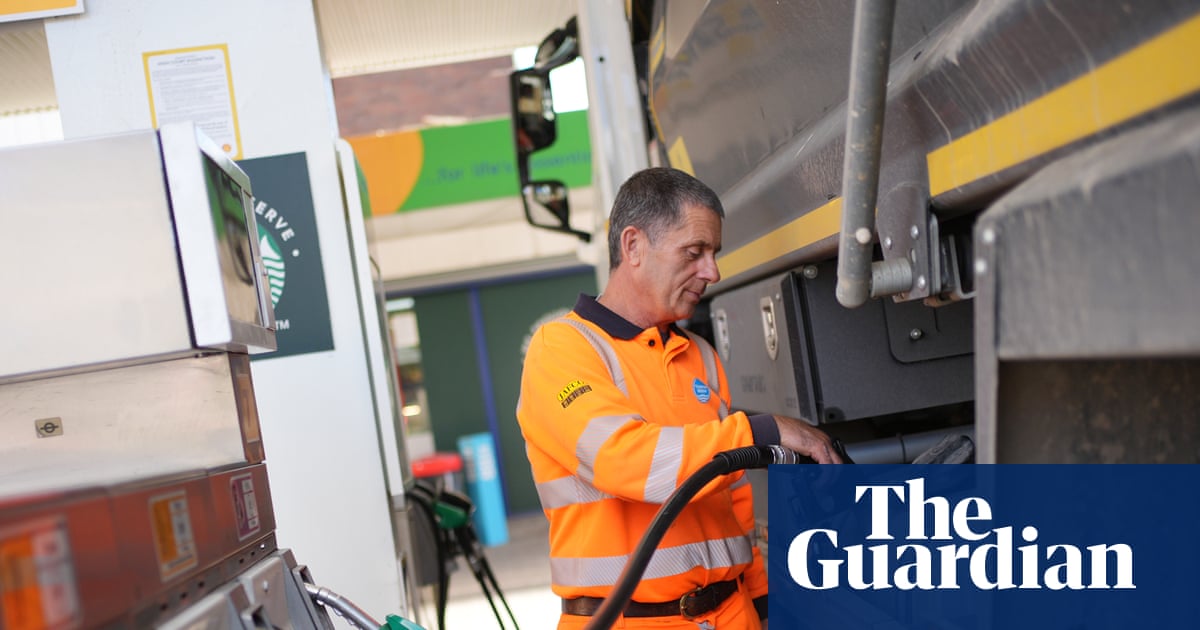
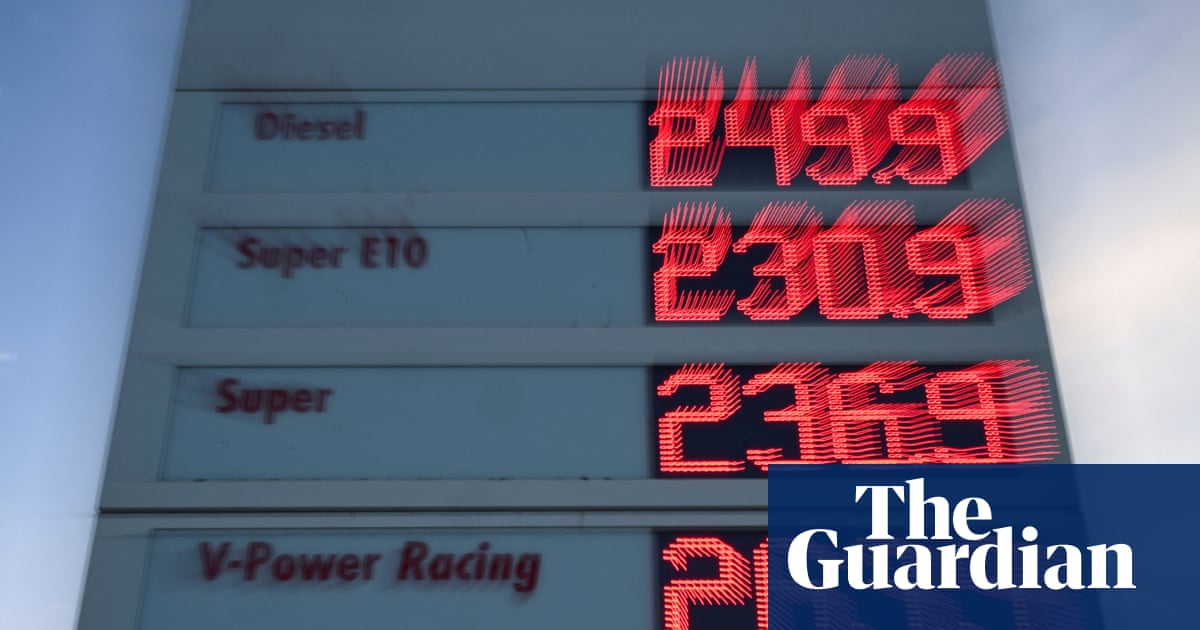
Drivers will be able to see live petrol prices on Google Maps for the first time from Thursday, in a move that will help motorists shop around for the cheapest fuel.
asserted
motorists → see → fuel
Millions of motorists will be able to find the cheapest petrol and diesel prices by searching for a local forecourt in the Google app, in what could prove to be “a major development” in making fuel prices more fair, according to campaigners.
uncertain
prices → find → campaigners
The tech company will use data from the government’s Fuel Finder platform, which displays real-time prices at 99% of forecourts, to show Google Map users the cheapest in their local area.
asserted
which → use → area
It is expected to make forecourt pricing more transparent and encourage competition between fuel retailers, as millions face record-high road fuel costs due to the global squeeze on supplies prompted by the US-Israel war on Iran.
asserted
millions → expect → Iran
The average price of diesel in the UK recently hit a record £2 a litre, having risen by more than 40% since late February.
asserted
price → hit → February
Edmund King, the president of motoring group the AA, said: “Getting transparent fuel prices on to Google Maps is a massive step forward and means most drivers will have easy access to pump prices.
asserted
drivers → say → prices
Hopefully, this high-level pump-price transparency will also encourage more competitive prices from retailers.
asserted
transparency → encourage → retailers
“More transparent prices should reduce the extent of rampant price-matching between fuel stations that is currently seen in many areas.
asserted
that → reduce → areas
Those competitive forecourts that break rank and offer lower fuel prices can be found if drivers look hard enough and will now stand out more.”
The government’s Fuel Finder scheme was launched in February to help drivers get more competitive fuel prices after a recommendation by the Competition and Markets Authority (CMA) in 2023.
asserted
drivers → break → 2023
It is already available via apps including Waze, PetrolPrices, the AA, Confused.com and RAC Fuel Watch.
asserted
It → include → Waze
Luke Bosdet, a spokesperson for the AA, said the Google launch would not necessarily dampen interest in the existing apps, such was “the demand for fuel price information”.
asserted
demand → say → information
However, the development could “signal trouble for the fuel trade by revealing the forecourt pricing tactics which keep local prices artificially high in their full horror, he said.
uncertain
he → signal → horror
The CMA cautioned fuel retailers in August that many were still slow to pass on falls in wholesale diesel prices.
asserted
many → caution → prices
These “passive pricing strategies” may have dented competition in the market and kept household costs higher than they needed to be, the watchdog said.
uncertain
watchdog → dent → costs
Polly Billington, the minister for energy consumers, said: “Accessing the cheapest fuel should be simple, which is why it is a gamechanger for near real-time fuel prices to be shown on Google Maps for the first time in the UK, helping drivers find the best deal and save money at the pump.”
asserted
drivers → say → pump
 The Aporia