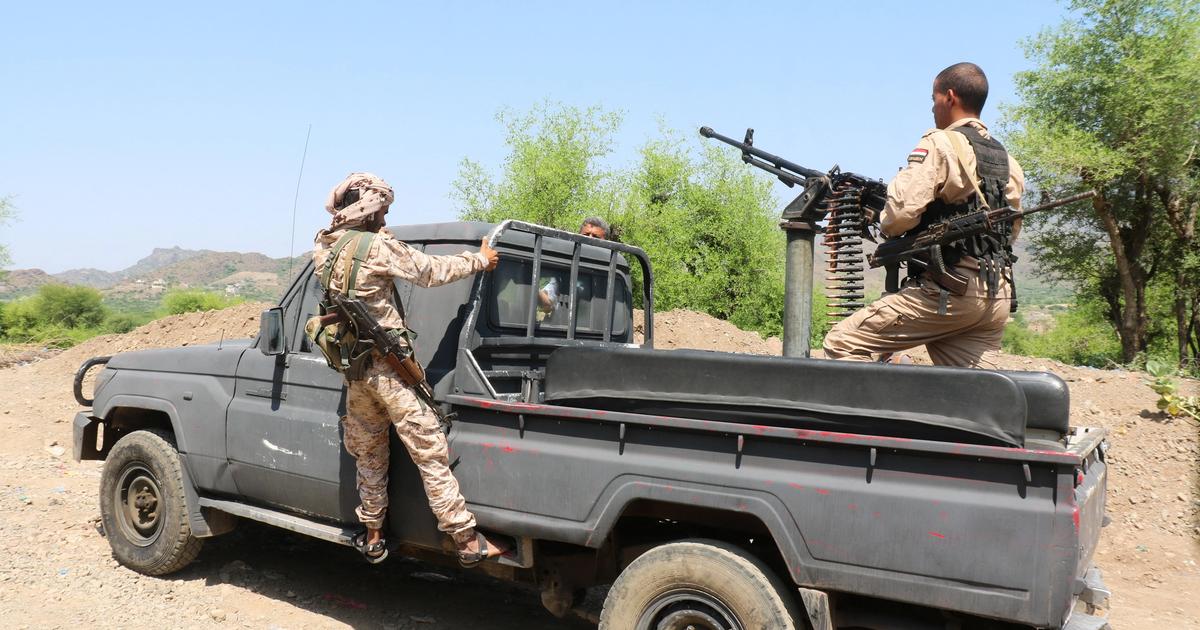
Within the past month, the Iranian-backed Houthis and the Saudi-backed Yemeni forces have reignited a decades-long conflict.
asserted
Houthis → back → conflict
At the heart of renewed fighting is control over the Bab el-Mandeb Strait, a key trading corridor better known as the Gate of Tears.
asserted
control → renew → Tears
The Houthis stormed down Yemen's coast in September, seizing the port city of Mocha in a bid for power over the strait.
asserted
Houthis → storm → strait
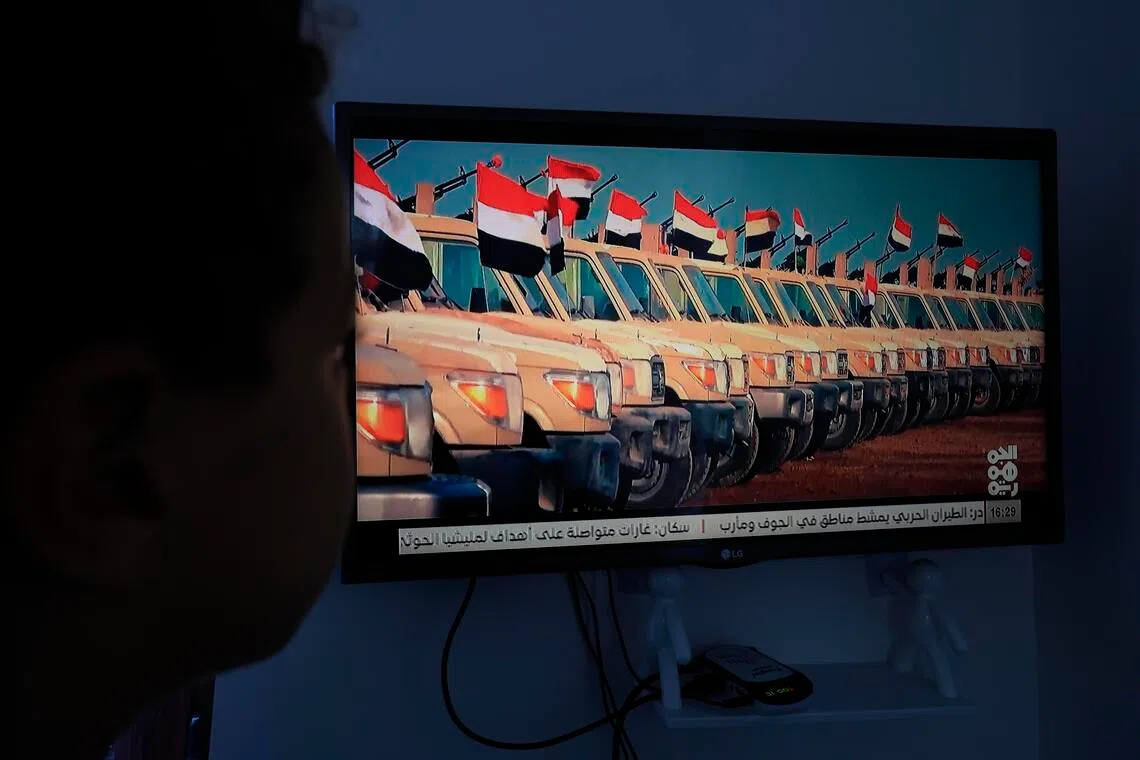
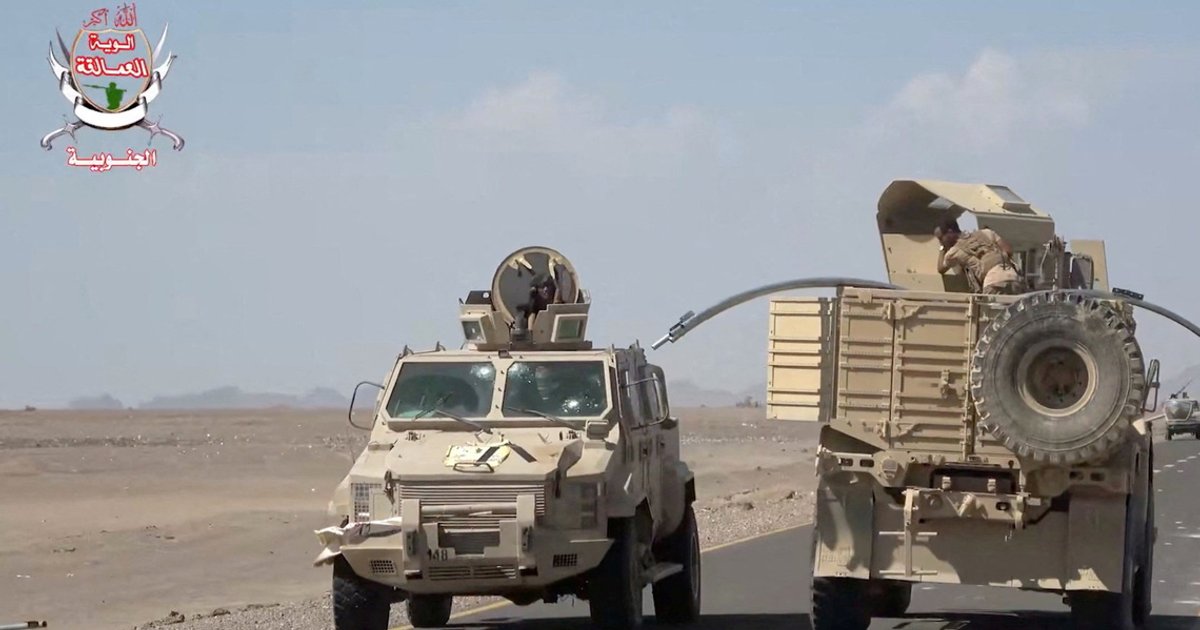
Now, Yemeni forces have recaptured the city in a major counteroffensive and deployed more than 100 fighter jets to guard the waterway.
But it is a fight that seems anywhere but over.
asserted
that → recapture → waterway
And one that could impact Australia's supply of everything, from T-shirts to medicine.
uncertain
that → impact → medicine
Named for its precarious route, it lies on the opposite side of the peninsula to the Strait of Hormuz, the shipping corridor whose traffic has been dramatically affected as the US and Iran wrestle for its control.
asserted
US → name → control
The strait is 29 kilometres wide at its narrowest point, limiting traffic to two channels for inbound and outbound shipments.
asserted
strait → limit → shipments
The Yemeni island of Perim divides the path.
asserted
island → divide → path
To the north lie the port cities of Hodeidah and Mocha.
asserted
cities → lie → Hodeidah
The cities, which the Houthis have seized, give a commanding view over approaching vessels.
asserted
Houthis → seize → vessels
On September 11, the group also seized the strategic Perim, where the United Arab Emirates — a former Saudi ally — had been building an air base.
asserted
Emirates → seize → base
Since then, a Saudi-backed counteroffensive has regained control of Mocha and attacked Houthi members in Hodeidah.
asserted
counteroffensive → back → Hodeidah
The Houthis' desire to control the strait extends beyond the Iran war.
asserted
desire → control → war
The fight over key ports are part of a continuing civil war in Yemen, between the Houthis and a Saudi-backed government.
asserted
fight → continue → Houthis
From 2015 to the 2022 truce, Saudi Arabia was involved in a combined air and limited ground campaign in Yemen, fighting against the Houthis, a group Australia lists as a terrorist organisation.
asserted
Australia → involve → organisation
The fragile truce collapsed this year, after an air strike hit the Sana'a International Airport, preventing an Iranian flight carrying a Houthi delegation to land.
asserted
strike → collapse → land
Houthis blamed the attack on a Saudi-led coalition, and responded with missile and drone strikes on Saudi Arabia, including one that targeted Riyadh.
asserted
that → blame → Riyadh
They also targeted Saudi's oil infrastructure.
asserted
They → target → infrastructure
In July, the Houthis launched a maritime blockade on Saudi shipping tankers and territory in the Bab el-Mandeb Strait.
asserted
Houthis → launch → Strait
The group had conducted a similar attack on commercial ships passing through the strait in 2023—2024, in response to Israel's invasion of the Gaza Strip.
However, this latest blockade exempted non-Saudi vessels.
asserted
blockade → conduct → vessels
Mohammed al-Bukhaiti, a member of the Houthis' political bureau, told the Associated Press it wanted Saudi Arabia to lift a long-running blockade on the territory the group controls.
asserted
group → tell → territory
A Saudi counteroffensive has since seen the strait recaptured and tit-for-tat fighting escalate.
asserted
fighting → see → tat
Both Saudi and Houthi officials have reported missile strikes and targeted attacks on major airports across Yemen and Saudi Arabia.
asserted
officials → report → Yemen
The renewed conflict has also seen more than 200,000 Yemenis flee their homes, according to UN estimates.
uncertain
Yemenis → renew → estimates
The United Nations estimated at least 150,000 people — including fighters and civilians — had been killed in Yemen's civil war, which began in 2015.
asserted
which → estimate → 2015
It had pushed about 5 million people to the "brink of famine".
asserted
It → push → famine
How important is Bab el-Mandeb to trade?
asserted
Mandeb → trade → ?
It serves as the southern gateway to the Suez Canal, meaning ships must pass through it to access the canal from the south.
asserted
ships → serve → south
Before the Iran war in February, about 10-12 per cent of global trade passed through the waterway, Sanjoy Paul, an Associate Professor of Operations and Supply Chain Management at the University of Technology Sydney said.
asserted
Paul → pass → Sydney
"It has always been a critical route for shipping," he added.
asserted
he → add → shipping
Continents are connected through that shipping route.
asserted
Continents → connect → route
In 2023, the strait handled approximately 9 per cent of global oil demand, according to the International Sustainable Development Observatory (ISDO).
uncertain
strait → handle → Observatory
Oil, medicine, fertiliser, textiles, and machinery were all transported through that route, Dr Paul said.
asserted
Paul → transport → route
When it was a choke point, ships had to travel around South Africa's Cape of Good Hope which could take three times as long.
uncertain
which → have → Hope
"This additional time increases shipping time, increases cost of transportation, increases insurance as well," Dr Paul said.
asserted
Paul → increase → insurance
For customers, that meant shortages and price surges.
asserted
that → mean → shortages
Following the Iran war and a battle over the Strait of Hormuz, the Bab el-Mandeb Strait became a "lifeline", Dr Paul said.
asserted
Paul → follow → Hormuz
Saudi Arabia had built an East-West Pipeline to divert crude oil flows through the Red Sea path
As of June, 3.42 million barrels of Saudi oil flowed through the strait, according to Kpler data.
uncertain
barrels → build → data
"This became the alternative route," Dr Paul said.
asserted
Paul → become → ?
What does this mean for Australia?
asserted
this → mean → Australia
…and 11 more, not listed.
 The Aporia