A Saudi-led coalition says it has reclaimed territory overrun by Yemen’s Iran-backed Houthi rebels
-
Click here to listen to this article -
- Yemen’s military spokesman said that more than 1,100 attacks had been launched against Houthi positions.
asserted
attacks → lead → positions
- The Houthis had captured territory overlooking the Bab el-Mandeb Strait, a vital waterway for traffic passing through the Suez Canal.
asserted
Houthis → capture → Canal
The Houthis denied Yemeni government claims that they had been driven out of towns near the strait.
uncertain
they → deny → strait
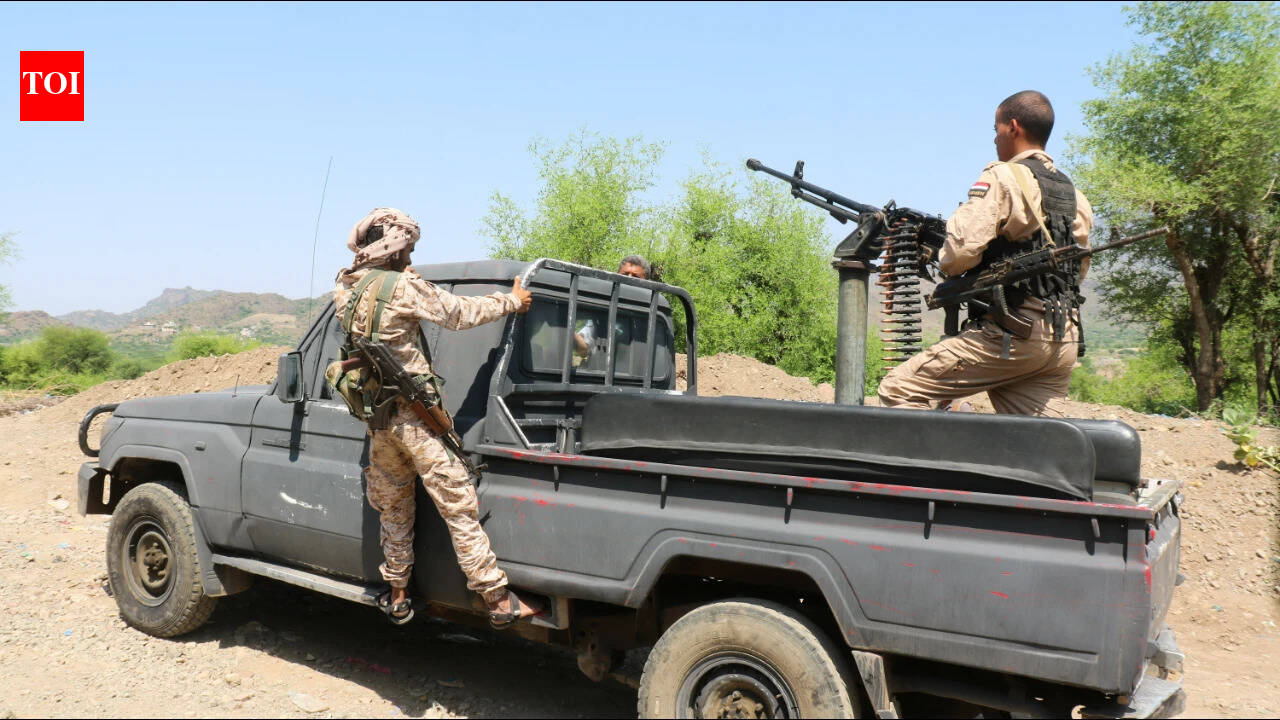
Yemen’s embattled government and a Saudi-led coalition have launched a major campaign aimed at dislodging Iran-backed Houthis who had recently seized vital parts of Yemen’s Red Sea coast.
asserted
who → lead → coast
The offensive, which had already reclaimed territory overlooking a key waterway, marks a sharp escalation in what thus far been an ancillary conflict in the wider U.S.-Israeli war on Iran.
asserted
what → reclaim → Iran
In a televised address on Sunday evening, Rashad al-Alimi, head of the Yemeni government’s Presidential Leadership Council, announced a military operation to “extend the authority of the state and its institutions over the entire national territory.”
asserted
Alimi → televise → territory
The operation would continue, he said, “until the country is liberated from the control of terrorist militias.”
asserted
country → continue → militias
The campaign comes almost a month after a blitzkrieg offensive by the Houthis saw Saudi-backed government forces collapse in disarray and give up wide swaths of territory along the Red Sea coast, including the Bab el-Mandeb Strait, an important maritime chokepoint.
asserted
forces → come → Strait
The Houthis also made important gains inland, all but besieging the strategic city of Taiz, Yemen’s third-largest city, in a move that augured more Houthi advances.
asserted
that → make → advances
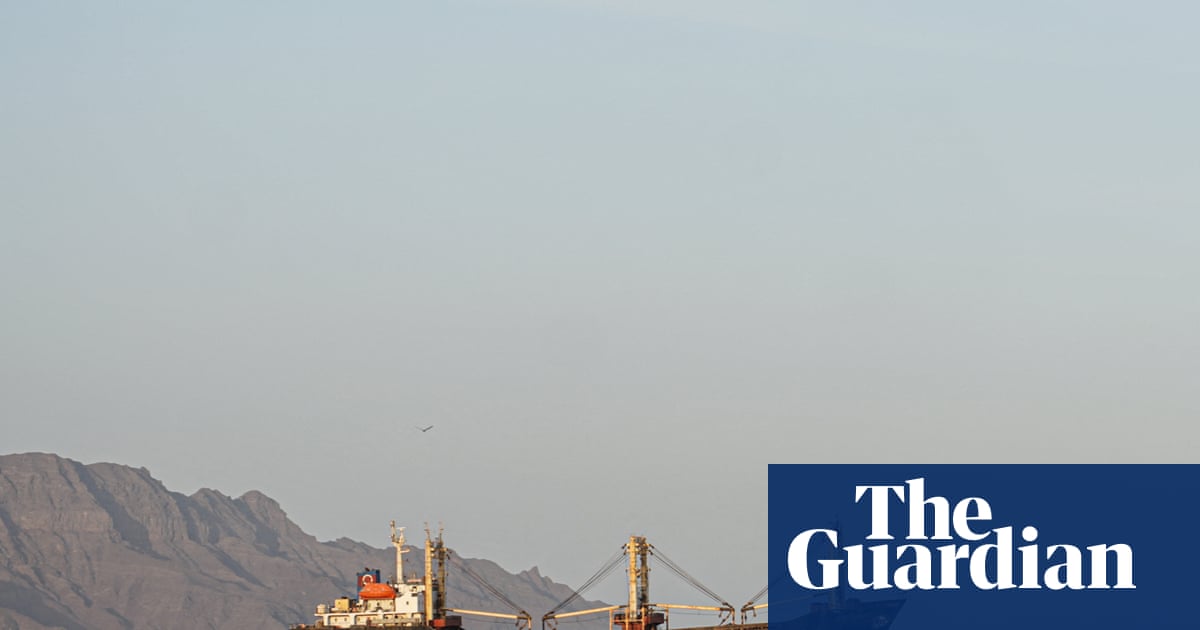
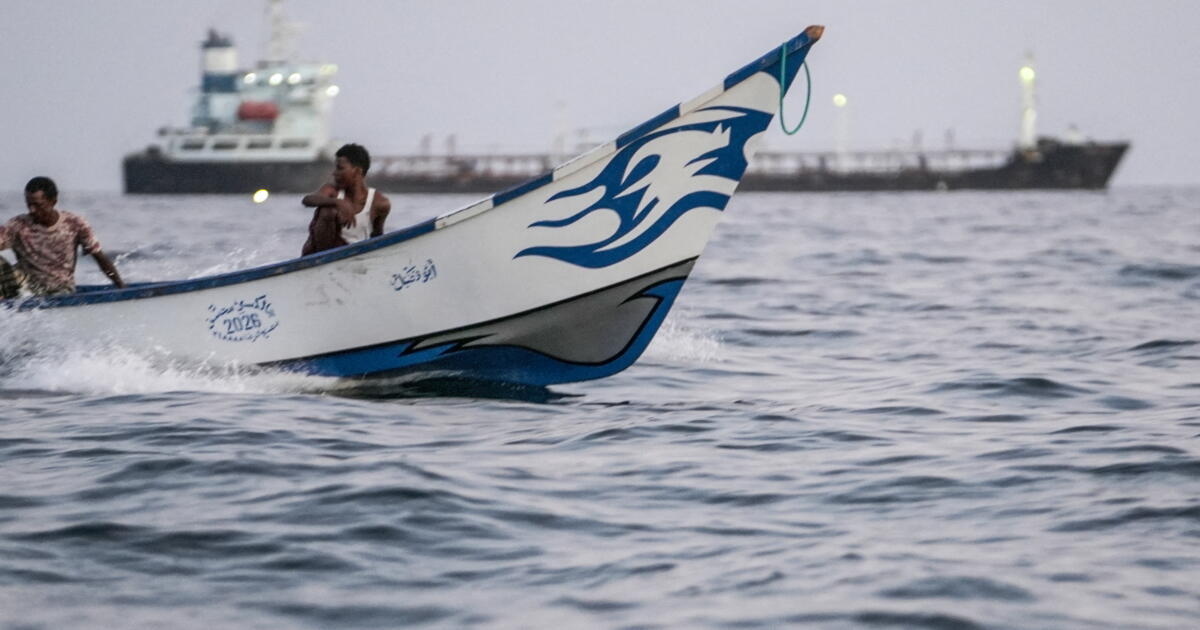
The Bab el-Mandeb Strait, which links the Mediterranean Sea with the Indian Ocean, is a new tinderbox in the Iran war.
asserted
which → link → war
On Sunday, the group said it seized Turbah, a garrison town that lies on the sole supply route linking Taiz to Aden, a key port on the Arabian Sea.
asserted
that → say → Sea
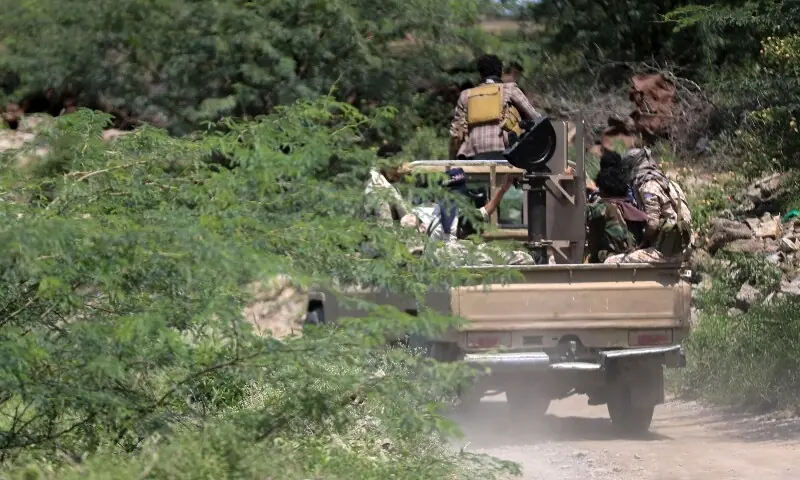
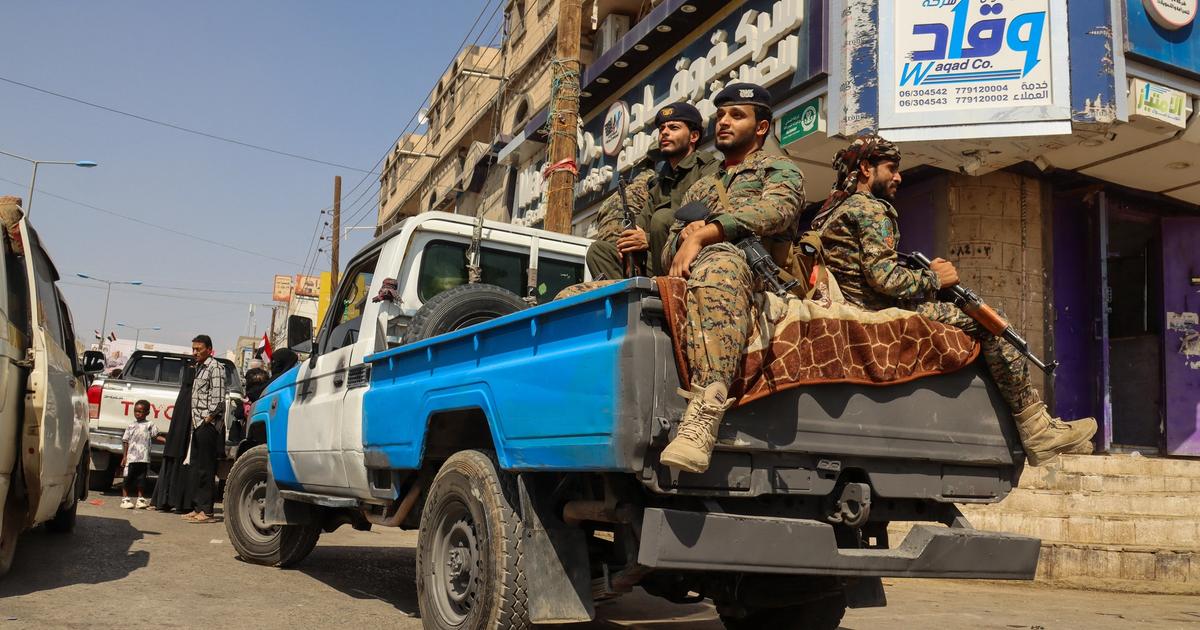
On Monday, Yemen’s military spokesman Majed al-Nuzaily said that “Operation Yemen Dawn” had launched more than 1,100 attacks against Houthi positions.
asserted
Dawn → say → positions
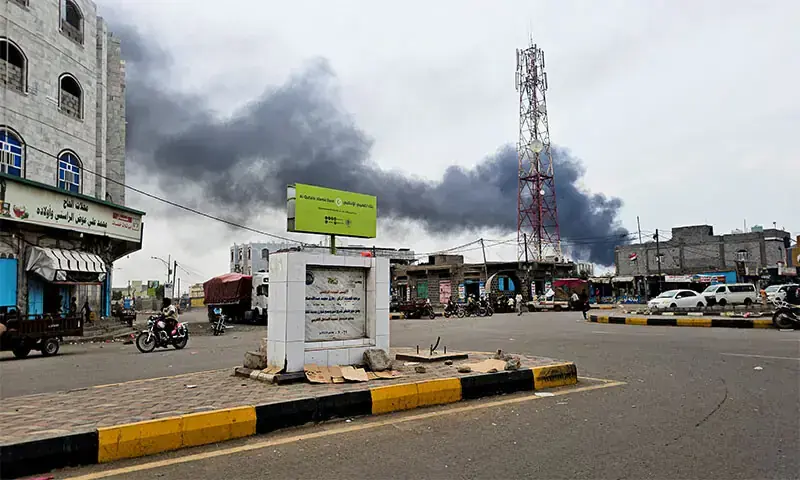
He added that pro-government factions succeeded in clawing back Mokha, the town of Bab el-Mandeb and a nearby airport from the Houthis — claims the group denied.
uncertain
group → add → claims
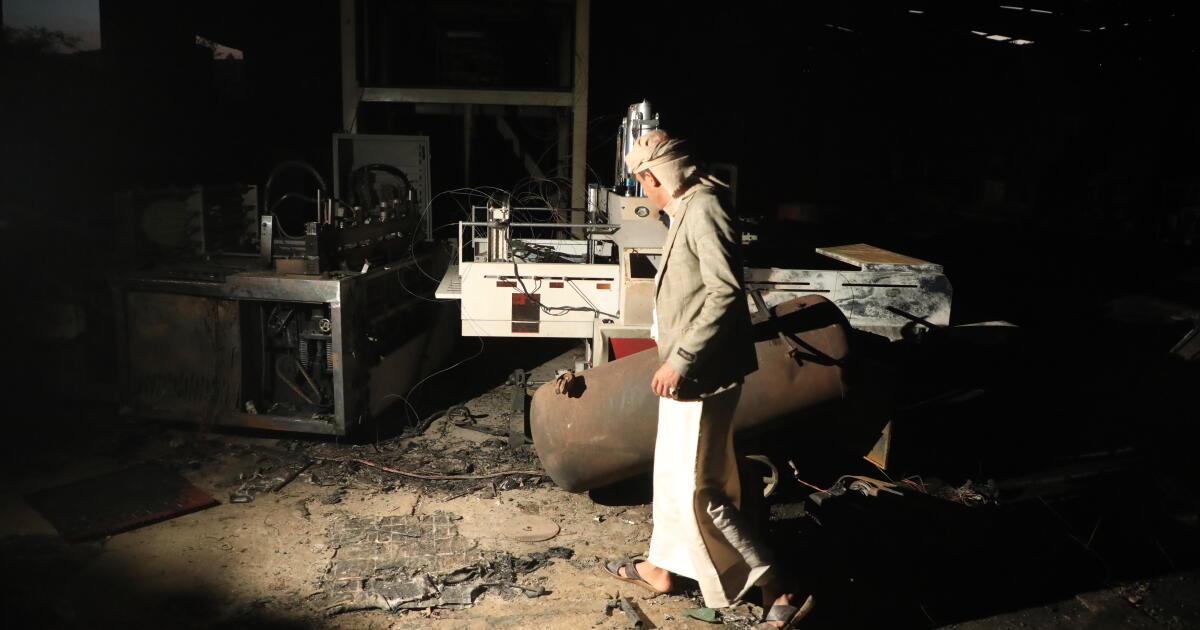
Video posted on social media by activists accompanying pro-government factions depicted what was said to be the aftermath of attacks on Houthi positions along the Red Sea coast.
asserted
what → post → coast
“They ran away into the sea.
asserted
They → run → sea
We captured some of them, and the rest were killed,” said one fighter from the Giants Brigade, a pro-government group.
asserted
fighter → capture → Brigade
Meanwhile, Maj. Gen. Turki al-Maliki, a military spokesperson for the Saudi-led coalition, said in a post on X that 100 warplanes participated in a Monday raid that destroyed 324 “high-value targets.”
asserted
that → lead → targets
Later, he said the warplanes were providing “air protection” over the Bab el-Mandeb Strait as well as “round-the-clock air support for Yemeni armed forces on the ground.”
asserted
warplanes → say → ground
When it was first formed in 2015, the Saudi-led coalition consisted of nine nations, including the United Arab Emirates, Qatar and Bahrain along with Egypt, Jordan, Morocco, Sudan and Senegal.
asserted
coalition → form → Egypt
The fighting represents the sharpest escalation since a 2022 ceasefire between the Houthis, Yemen’s government and Saudi Arabia broke down in July.
asserted
ceasefire → represent → July
Officially known as Ansar Allah (“Supporters of God”), the Houthis occupy much of Yemen’s north — its most populated section — and have long clamored for greater control over the rest.
asserted
Houthis → know → rest
Iran has incorporated the rebels as members of its anti-U.S. coalition, the so-called Axis of Resistance, and has provided weapons, training and other aid to the Houthis, which belong to a branch of Shiite Islam.
asserted
which → incorporate → Islam
The Yemeni government is a fragile body that, despite being internationally recognized, has no real foothold in the country it ostensibly rules.
asserted
it → recognize → country
In the days after the ceasefire broke down, the Houthis announced a blockade on Saudi shipping, and launched attacks crippling Saudi Arabia’s oil export infrastructure.
asserted
Houthis → break → infrastructure
That included the East-West Pipeline, the main conduit Saudi Arabia has used to circumvent Iranian and American closures of the Strait of Hormuz.
asserted
Arabia → include → Hormuz
Then in early September, the Houthis scythed through the Red Sea port of Mokha, along with Dhubab, Bab el-Mandeb and Perim Island.
asserted
Houthis → scythe → Dhubab
The offensive essentially granted the group control over the Bab el-Mandeb Strait — a move that rocked energy markets already made skittish by the U.S. and Israel’s war on Iran.
asserted
that → grant → Iran
Vessels using the Suez Canal must pass through the strait to reach the Mediterranean Sea to the north or Arabian Sea to the south.
asserted
Vessels → use → south
This week’s offensive is not the first time the Yemeni and Saudi governments have tried to roll back the Houthis.
asserted
governments → try → Houthis
After the Houthis took over the capital, Sanaa, in 2014, Saudi Arabia, the UAE and a coalition of Arab nations launched a bombing campaign in support of anti-Houthi forces.
asserted
Arabia → take → forces
That campaign managed to expel the rebels from Aden, but the Houthis — tough mountain fighters who received Iranian training to field and eventually manufacture drones and missiles — proved a difficult adversary.
asserted
who → manage → adversary
The war turned into a grinding conflict, killing hundreds of thousands of people and spurring successive health crises and famine.
asserted
war → turn → crises
In 2022, after years of stalemate, the government and rebels signed on to a ceasefire.
asserted
government → sign → ceasefire
With front lines frozen, infighting among pro-government factions — which had never been the happiest of allies — broke out into open war, causing a still-unresolved rift between Saudi Arabia and the Emirates.
asserted
which → freeze → Arabia
Experts say those dynamics are likely to bedevil the government’s ambitious plans for a march on Sanaa.
asserted
dynamics → say → Sanaa
“The government doesn’t have the capabilities, the materiel, nor the cohesion of the forces,” said Hisham Al-Omeisy, a senior Yemen advisor at the European Institute of Peace.
asserted
Omeisy → have → Peace
He added that previous assaults — when the Saudi-led coalition was larger, there was less fragmentation in anti-Houthi forces and the Houthis were less capable — couldn’t achieve the war objectives the government has now placed.
asserted
government → add → objectives
“It would require a lot more investment, not only from Saudi Arabia, but also from the U.S,” he said.
asserted
he → require → U.S
In any case, Al-Omeisy said Saudi Arabia was not looking for a “zero-sum game” involving the Houthis’ defeat, but was likely more interested in rolling back some of the group’s recent gains.
asserted
Arabia → say → gains
“They want a better hand for when they sit down for negotiations — and inevitably there will be negotiations,” Al-Omeisy said.
asserted
Omeisy → want → negotiations
…and 10 more, not listed.
 The Aporia