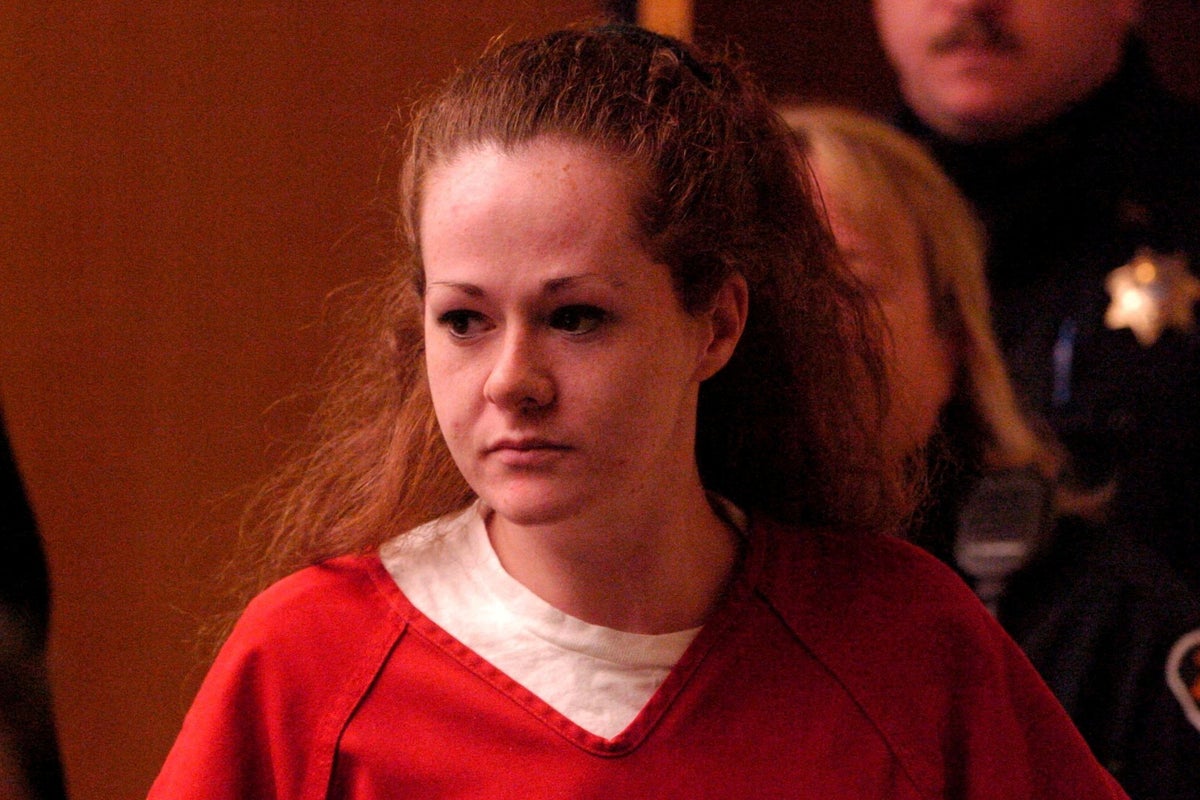
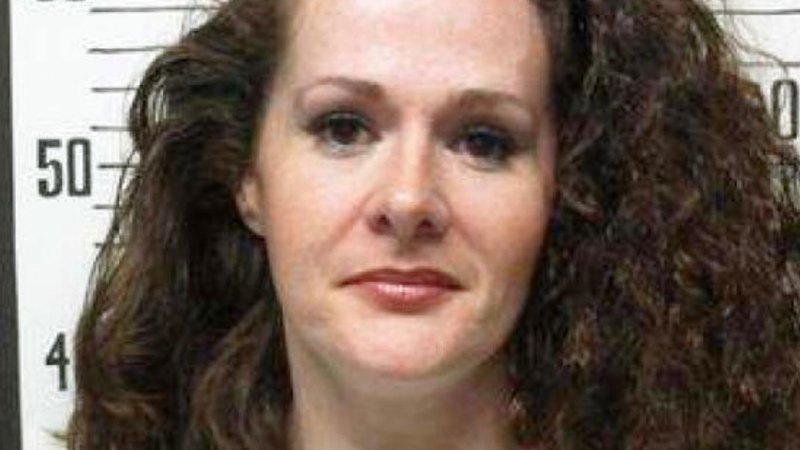
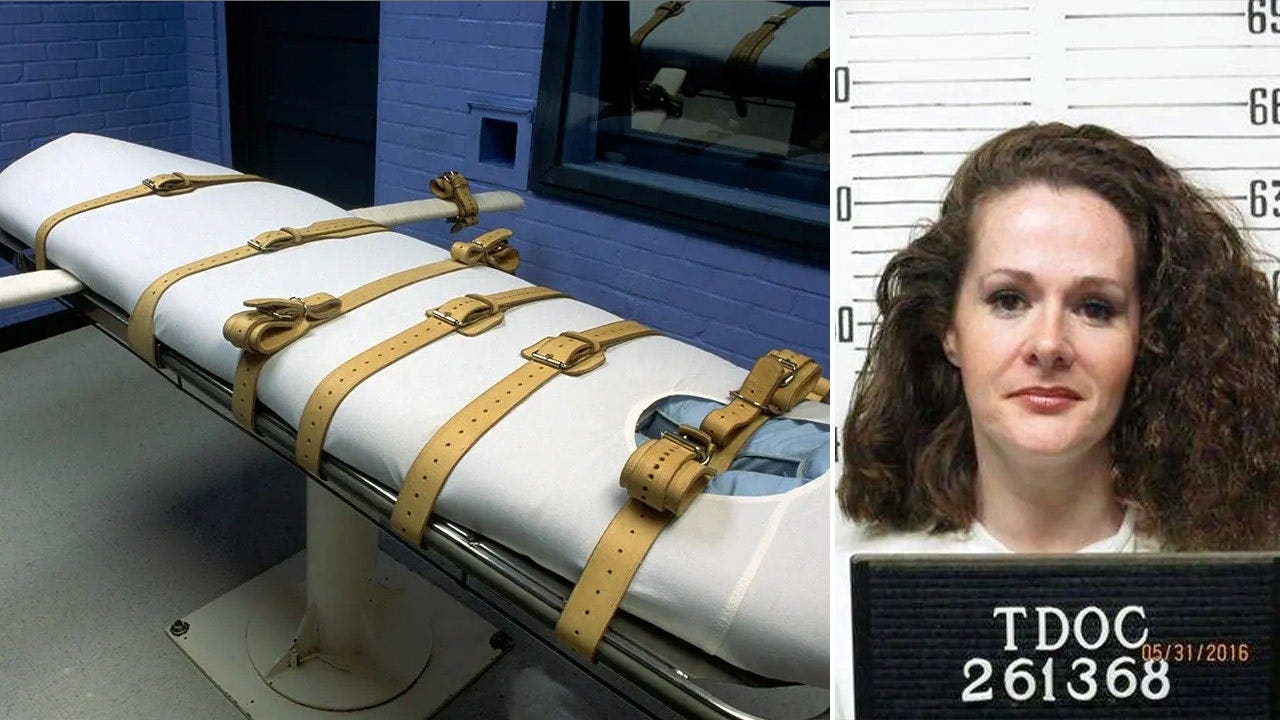
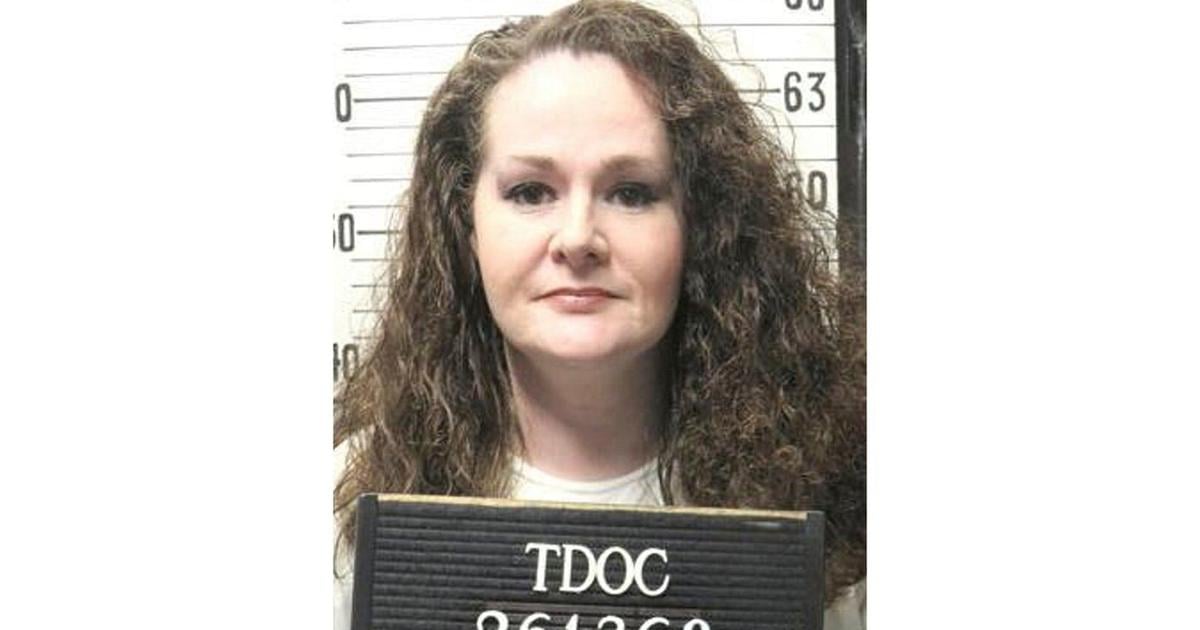
Judge I’Ashea Myles ordered Tennessee officials to preserve all evidence from Christa Pike’s botched execution attempt, including drugs and medical equipment used during the procedure. This came as Pike’s lawyers reported she is severely injured and medically unstable following the incident. During a contentious court hearing, Pike’s legal team accused state officials of hiding crucial evidence that could be vital for future legal challenges if Tennessee attempts to execute her again.
Written locally by qwen2.5:14b on 2026-10-07,
using this article's own text rather than the other coverage of the
same event (that is the story summary below).
Story summary
On September 30, Christa Pike, convicted of murdering classmate Colleen Slemmer in 1996, survived an attempted lethal injection execution in Tennessee when she was left unconscious but alive after receiving two doses of pentobarbital. A week later, a judge ordered the state to preserve all evidence related to the botched attempt, including drugs, IV lines, and medical waste, to ensure Pike's constitutional rights are protected for any future legal challenges. The judge also granted Pike’s attorneys "liberal access" to their client. Currently hospitalized with pneumonia, blood clots, and unable to move both arms, Pike is confused and angry about her situation after waking up on Tuesday, asking who she was and where she was. Her lawyers argue that a second attempt would violate the 8th Amendment's prohibition against cruel and unusual punishment.
Written for “Christa Pike Botched Execution” on 2026-10-07,
grounded in this article and the 193 other(s) covering the same event.
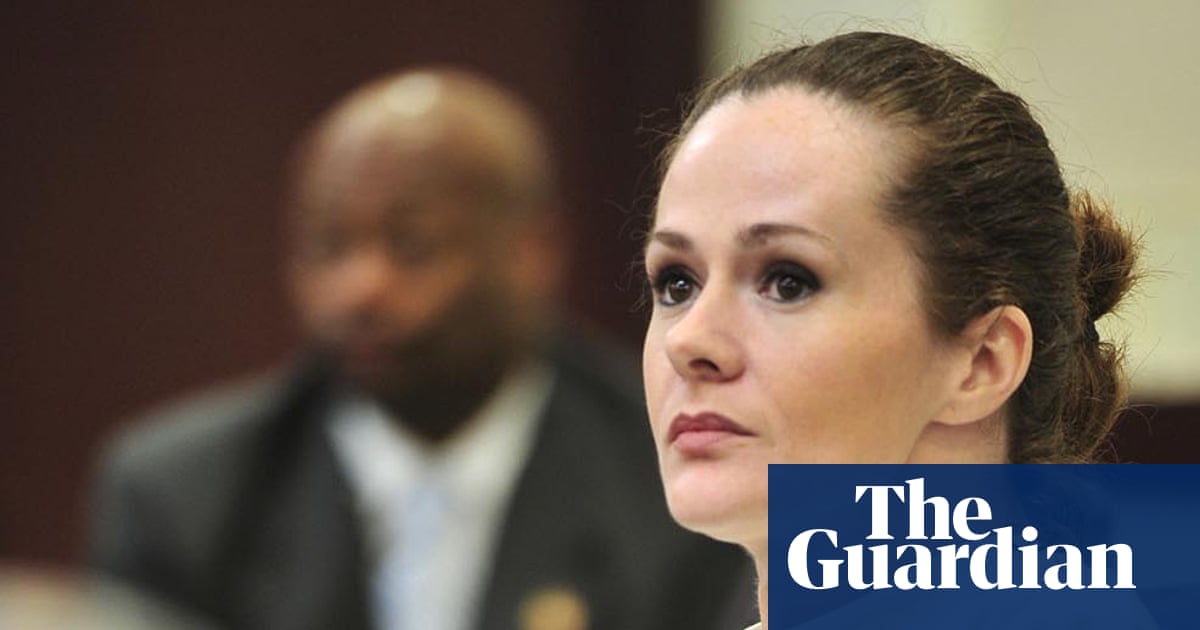
A judge ordered Tennessee officials on Wednesday to preserve all evidence related to the botched execution attempt on convicted murderer Christa Pike, as it emerged that the state has refused pleas from medical staff to allow her to be unshackled from her hospital bed.
asserted
her → order → bed
At a hearing in Nashville on Wednesday, judge I’Ashea Myles said: “Anything that was in the actual room” during the attempted execution a week ago must be preserved by the state, including all drugs, intravenous lines and tubing used in the death chamber.
asserted
that → say → chamber
The order came as Pike’s lawyers said she has pneumonia, a blood clot, and is unable to move either of her badly injured arms, after she regained consciousness on Tuesday.
asserted
she → come → Tuesday
“The first thing she said was: ‘Where am I and who are you?’,” one of Pike’s lawyers said on Wednesday afternoon.
asserted
one → say → afternoon
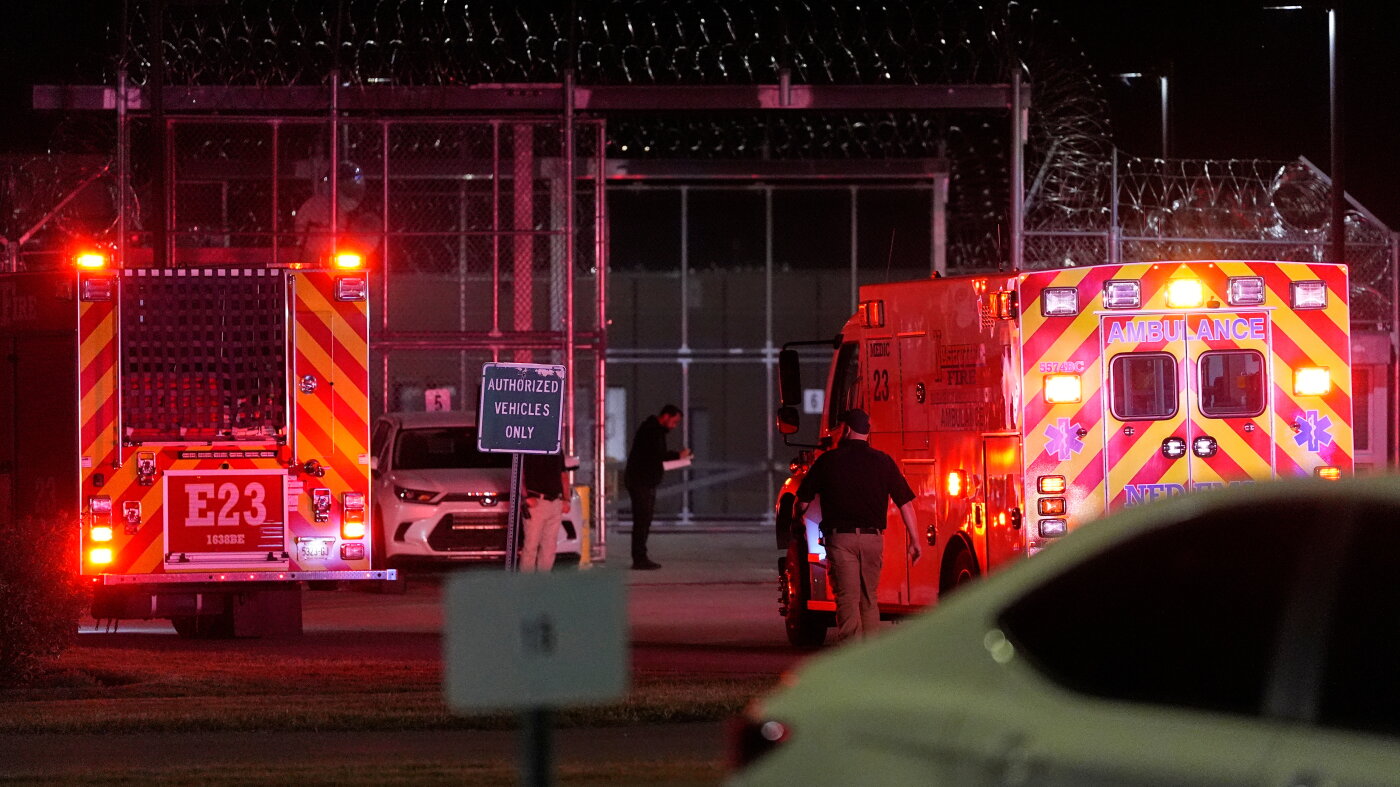
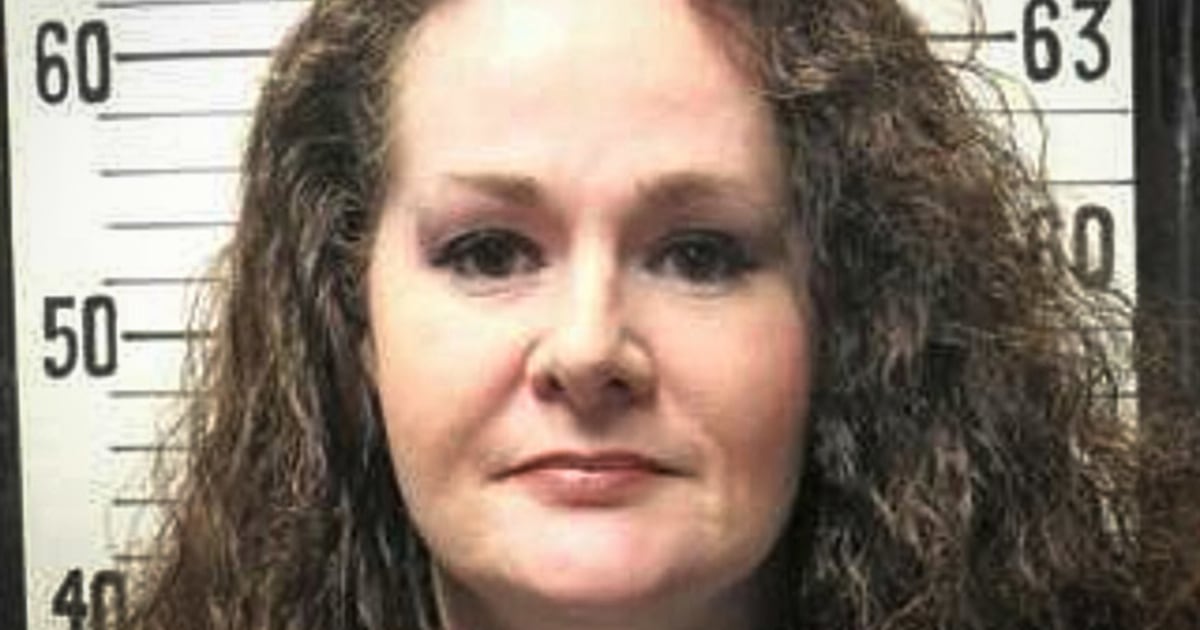
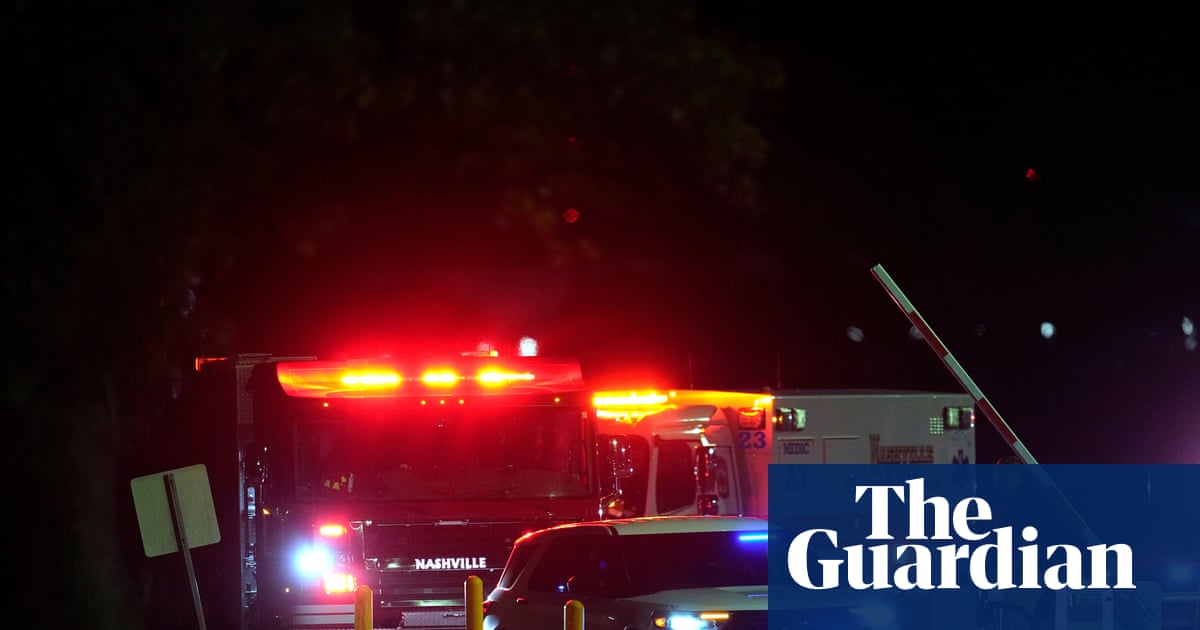
Pike, 50, was taken to hospital unconscious but alive from Tennessee’s execution chamber last Wednesday after two supposedly lethal doses of the barbiturate pentobarbital.
asserted
Pike → take → pentobarbital
She had been on a ventilator, with an unknown prognosis, before she woke and spoke on Tuesday.
“There’s still a lot of cognitive confusion, and so I will say that she has wanted to know what’s happened, and she’s asked about several people.
asserted
she → wake → people
She’s asked about her team.
asserted
She → ask → team
She’s asked about the victim’s family …
asserted
She → ask → family
I think she is angry and confused about everything right now,” one of Pike’s lawyers, Randy Spivey, said.
asserted
one → think → lawyers
The updates came after a contentious court hearing where Pike’s legal team accused Tennessee officials of “secreting away” evidence.
asserted
team → come → evidence
Attorney Luke Ihnen said items from the attempted execution could be key to future legal challenges by Pike, should the state attempt to kill her again.
uncertain
state → say → her
“The state has made no promises that Ms Pike will not be subject to a future execution, and the evidence that we are seeking to preserve now is relevant for any future challenge that she makes, because as we pled in January, the same thing is likely to happen,” Ihnen said.
asserted
Ihnen → make → January
Pike survived a lengthy procedure and the large doses of the sedative as Tennessee officials had attempted to put her to death, in a case that shocked many in the US and created headlines around the world.
asserted
that → survive → world
At a press conference after Wednesday’s hearing, Spivey said it was unclear “what if any function” Pike would regain in her arms.
uncertain
Pike → say → arms
“Her hands look like if you were to blow up a surgical glove,” Spivey said.
asserted
Spivey → look → glove
Despite her condition, Pike was still being restrained, her team said, shackled to her hospital bed by her feet and right arm.
asserted
team → restrain → feet
“Based on our understanding, medical staff have asked that the shackles be removed and have been denied that request [by the Tennessee correction department],” he told Myles earlier.
asserted
he → base → Myles
He added: “We would also amend our request and ask for that relief.”
asserted
We → add → relief
Witnesses to the attempted execution of Pike described how they heard her breathing raggedly after receiving the first injection.
asserted
her → attempt → injection
She was then hospitalized after a second dose failed to kill her and was declared to be in critical condition.
asserted
dose → hospitalize → condition
After the botched execution attempt, Spivey called the process “cruel and torturous”, adding that he had counted seven needles in Pike’s left arm, “one of which appeared to be bent when it was pulled from her”.
asserted
it → botch → her
Pike had lifted her head from the execution gurney to say her arms were burning as the drug was administered.
asserted
drug → lift → gurney
Her lawyers had warned before the execution that officials might struggle to locate veins and cause her suffering in the process, but the state had pushed to proceed and the US supreme court allowed the prison to move forward.
There is speculation from medical experts that perhaps some or a lot of the drug missed her vein and went into tissue, that one of her veins, which were problematic and this fact flagged by her lawyers months earlier – blew, or that the drug was faulty, or a combination.
uncertain
drug → warn → lawyers
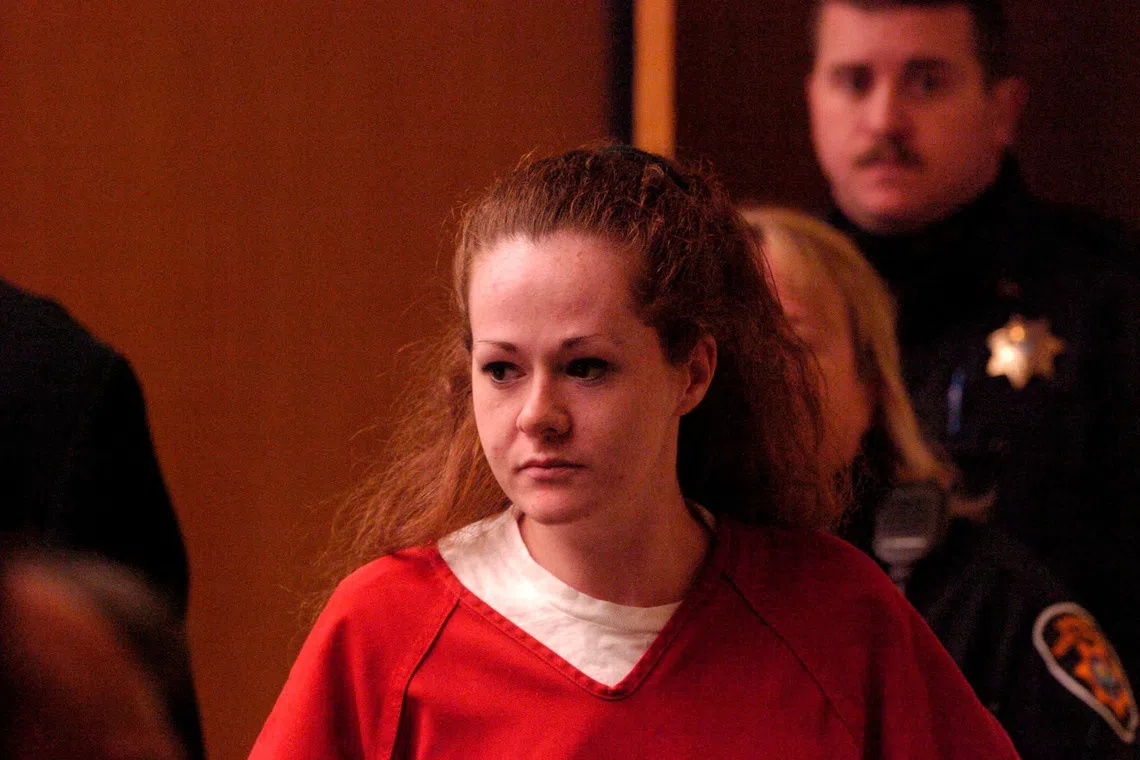
Pike was 18 and her then boyfriend 17 at the time when they killed 19-year-old Colleen Slemmer, one of their classmates at Knoxville Job Corps, in Tennessee in 1995.
asserted
they → kill → 1995
According to prosecutors, Pike was worried Slemmer was trying to take the boyfriend, Tadaryl Shipp, away from her.
uncertain
Slemmer → accord → her
Together, they lured Slemmer into a wooded area, tortured and killed her.
Shipp was convicted of first-degree murder in 1997 and was given a life sentence with the possibility of parole.
asserted
Shipp → lure → parole
Pike has never denied her involvement in Slemmer’s killing.
asserted
Pike → deny → killing
She was later diagnosed with bipolar disorder and post-traumatic stress disorder but, because she was 18, she was sentenced to death and has been on death row, isolated, for 30 years.
asserted
she → diagnose → years
 The Aporia