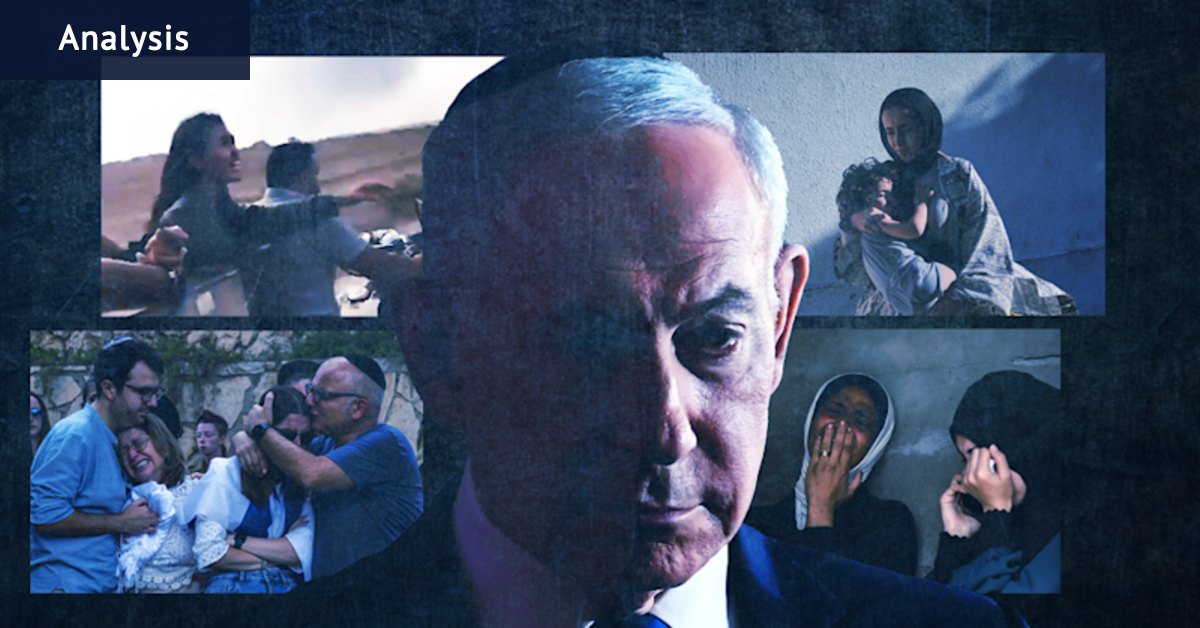
As Israelis prepare for national elections on October 27, three years after the devastating Oct. 7 terrorist attacks, voter surveys show that two-thirds consider these events a central factor in their decision-making process. The Israel Democracy Institute's poll reveals significant support across parties for an independent state investigation into the government’s handling of the crisis, although Prime Minister Benjamin Netanyahu and his right-wing supporters oppose such scrutiny.
Written locally by qwen2.5:14b on 2026-10-07,
using this article's own text rather than the other coverage of the
same event (that is the story summary below).
Story summary
Three years after the Oct. 7, 2023 terrorist attacks in Israel, voter sentiment is heavily influenced by how Prime Minister Benjamin Netanyahu handled the crisis before, during, and after the event. A recent survey by the nonpartisan Israel Democracy Institute revealed that 68% of Israelis consider the Oct. 7 attack a central or close-to-central factor in their voting decision for the upcoming elections on Oct. 27. Critics argue that Netanyahu's government is trying to shift blame rather than taking accountability, with former General Gadi Eisenkot stating that Netanyahu’s supporters are promoting conspiracy theories and avoiding responsibility. Yohanan Plesner, president of the Israel Democracy Institute, emphasized that security concerns, accountability, and learning from past mistakes will be crucial factors for voters as they decide which party to support in these elections.
Written for “Israeli Elections After Hamas Attack” on 2026-10-07,
grounded in this article and the 0 other(s) covering the same event.
Why this leaning score
The model judged this article politically coded and scored it -0.45, but all 3 of its quote(s) are attributed speech - words the article quotes from someone, not the article's own narration, so the score is not published.
Written under an earlier scoring contract, which gave a paragraph
rather than checkable quotes. Re-analysing this article replaces it.
Leaning score withheld for article 63379: attributed speech only · logged 2026-10-07
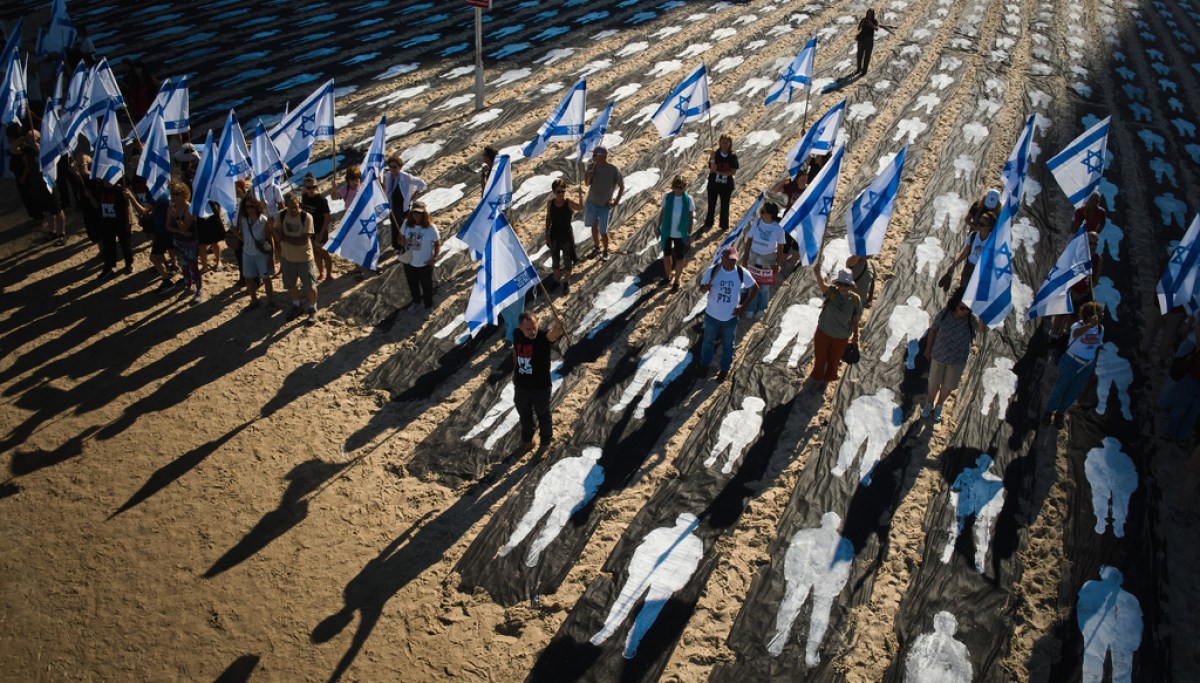
Three years after the terrorist attacks of Oct. 7, 2023, the Israeli government’s handling of the massacre weighs heavily on voters’ minds.
asserted
handling → weigh → minds
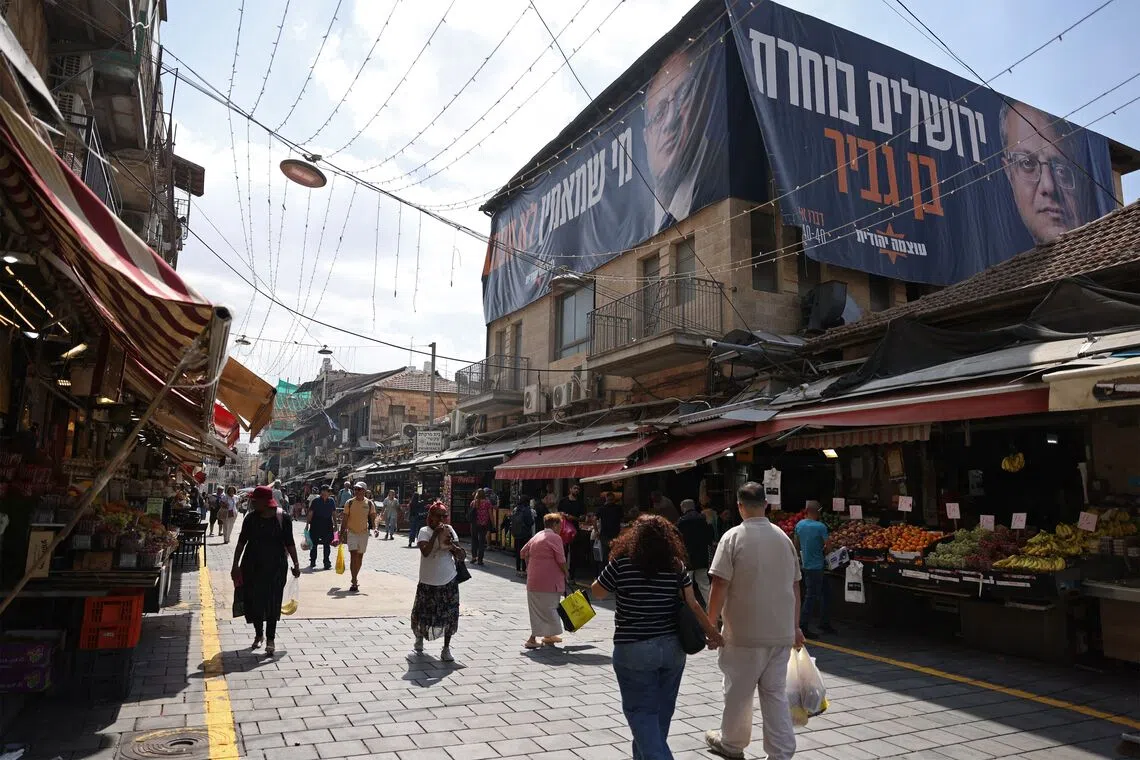
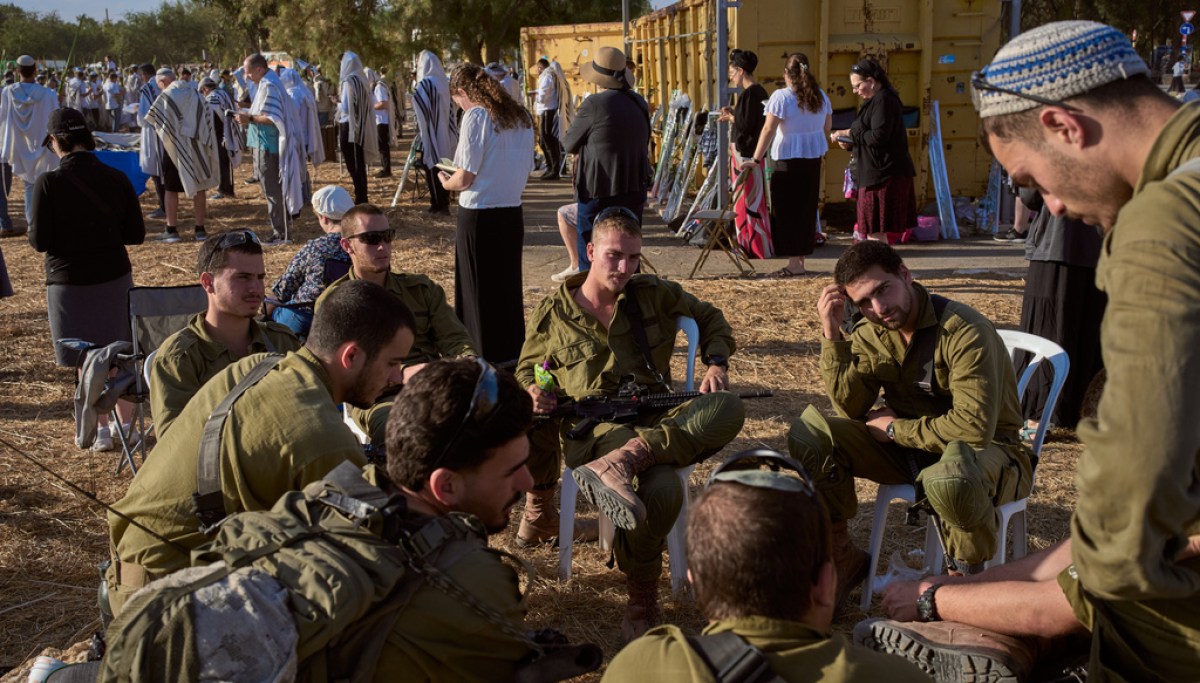
This year’s memorial services carry an increased political weight as Israeli citizens prepare to head to the ballot box on Oct. 27.
asserted
citizens → carry → Oct.
Prime Minister Benjamin Netanyahu is leading a multi-party alliance against an opposition widely perceived to revolve around former Gen. Gadi Eisenkot.
asserted
Netanyahu → lead → Eisenkot
The vote is seen as a referendum on Netanyahu’s actions before, during, and after the terrorist attacks.
asserted
vote → see → attacks
“October 7 is casting a long shadow over these elections.
asserted
October → cast → elections
Questions of security, accountability and whether the lessons of the attack have truly been learned will weigh heavily on many voters as they make their choice,” Yohanan Plesner — president of the Israel Democracy Institute, a nonpartisan research center — said in a Tuesday statement.
asserted
Plesner → learn → statement
The Israel Democracy Institute published the results of a voter intention survey last month that found “68% of Israelis consider Oct. 7 a central or close to central factor in their decision-making.”
asserted
Oct. → publish → making
“A significant majority view the events of October 7 as a central element in their decision about which party to vote for, though the Left and the Center accord them more importance than do those on the Right,” the survey report said.
asserted
report → view → Right
On the Right, the question is how Israel can prevent future attacks on the scale of Oct. 7, while the center and Left remain committed to launching a fully independent investigation of the government’s failures.
asserted
center → prevent → failures
“More than three years later, Israel still lacks an independent, authoritative account of what went wrong, and what needs to be fixed to rectify the terrible failures,” Plesner said.
asserted
Plesner → lack → failures
“This makes the formation of a state commission of inquiry by the next government as essential as ever.”
asserted
formation → make → government
A state commission of inquiry has never been undertaken due to interference from Netanyahu and his allies, who claim that such an investigation would be inherently politicized.
uncertain
investigation → undertake → Netanyahu
Commissions of inquiry in Israel have wide powers and prerogatives that allow investigators to call witnesses from across the government and compel them to testify.
asserted
investigators → have → them
In August, the attorney general’s office submitted a statement to the Israeli Supreme Court insisting that such a commission should be undertaken following the Oct. 27 elections, regardless of the victor.
asserted
commission → submit → victor
A poll published by Israeli outlet N12 News this week found that 66% of respondents supported a state commission of inquiry, compared to 21% who opposed it and 13% who were unsure.
asserted
who → publish → it
Among opposition voters, 93% supported the inquiry, compared to just 37% of Netanyahu-aligned voters.
asserted
% → support → voters
Netanyahu and his opposition rivals have slung insults and accusations at one another for months over their respective experiences on the fateful day.
asserted
Netanyahu → sling → day
The prime minister — who was asleep during the first hours of the attacks — has asserted that forces within the Israeli military intentionally withheld intelligence from him, fearing his defensive actions would be too drastic.
asserted
actions → assert → him
Critics have dismissed this as an attempt to shift blame away from his government, with Eisenkot saying last month, “Those around Netanyahu are echoing disgraceful conspiracy theories and allegations of betrayal, while clinging to the most absurd statement a leader can make: ‘No one woke me up.'”
asserted
one → dismiss → me
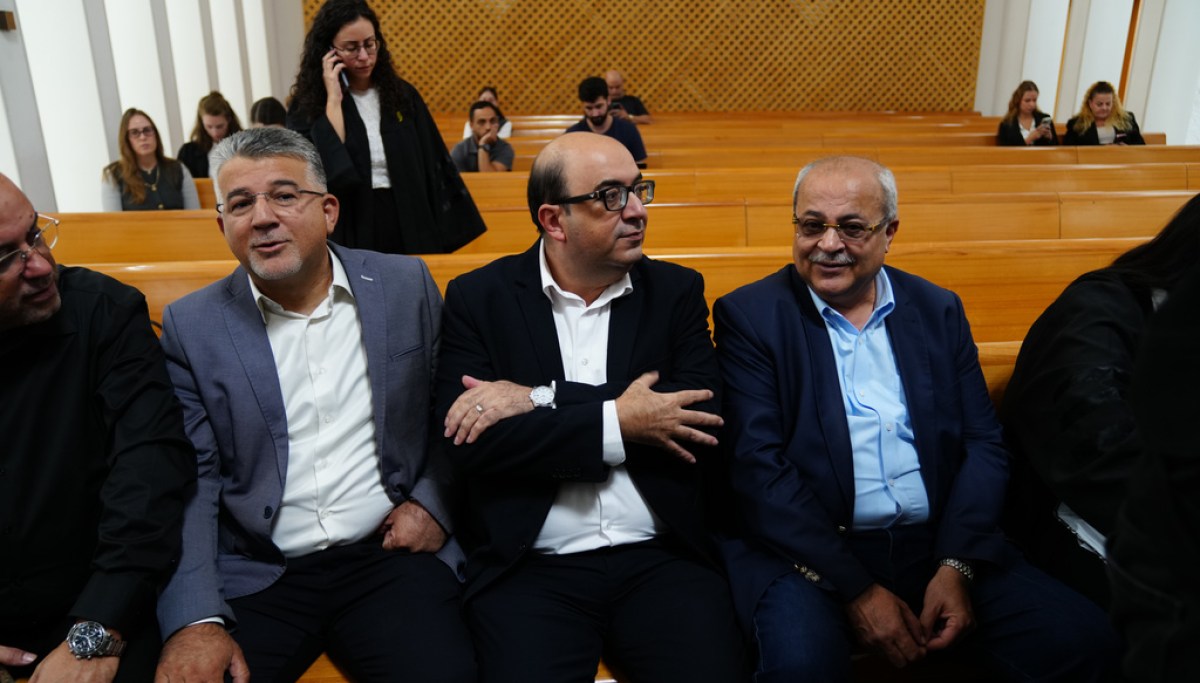
Neither coalition is currently projected to secure a sufficient amount of seats in the Knesset to form a government without support from one of the Arab parties, who are traditionally excluded from Jewish-led alliances.
asserted
who → project → alliances
 The Aporia