That is 0 articles you have read today.
The Aporia is free and carries no advertising, so readers are the only
thing paying for it. If you are getting this much out of it, a small
donation is what keeps it independent.
Daily limit reached
You have read 0 articles today.
That is more than the 15 a day The Aporia gives away,
and well past what it can carry on nothing. Your allowance resets at
midnight.
There is no advertising here and nothing about you is sold, so readers
are the only thing paying for it. If the site is worth this much of
your day, it is worth a few dollars.
Everything else stays open: the
maps, the
directory and
search do
not count against this, and neither does re-opening something you have
already read today.
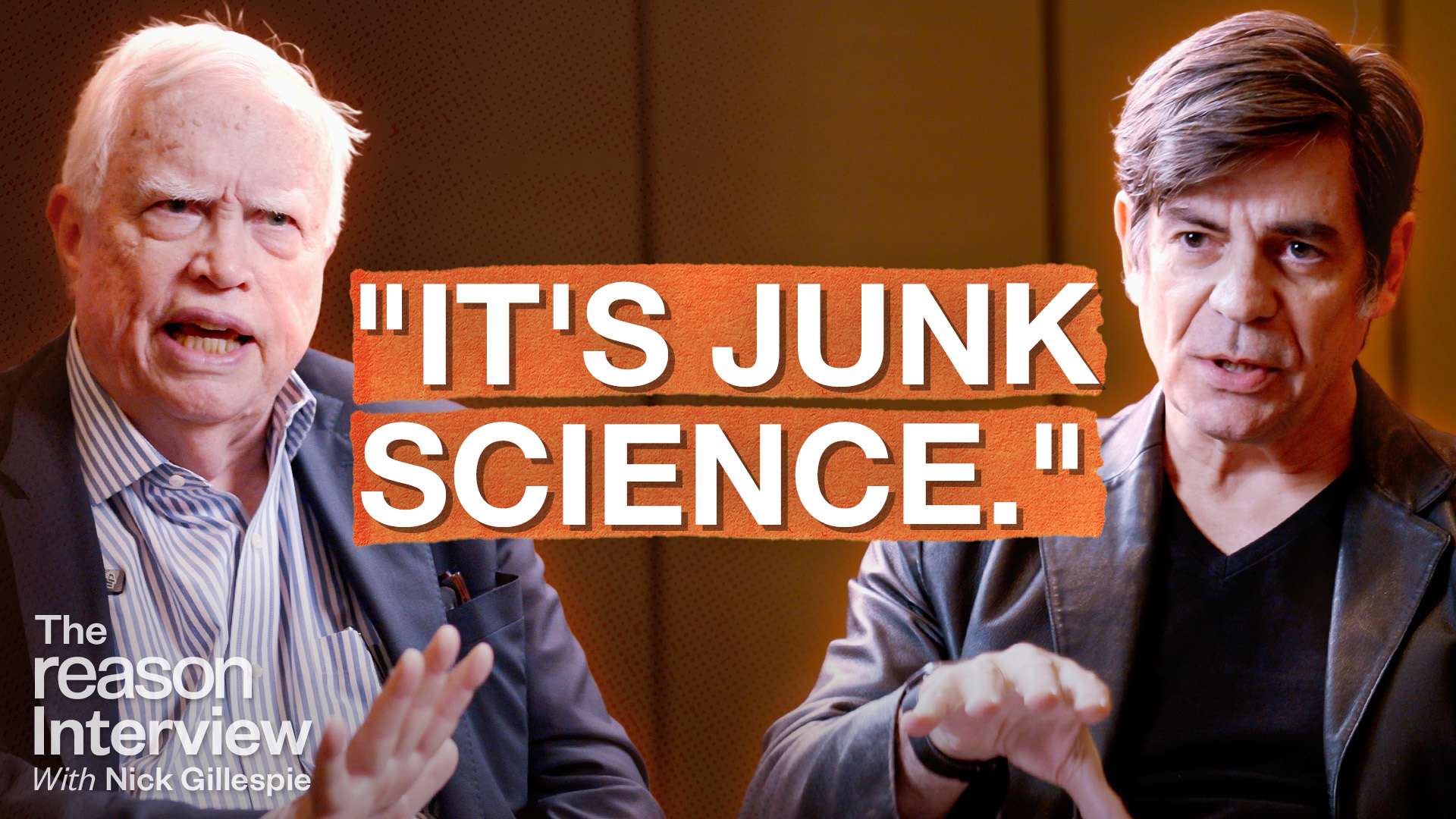
James Heckman, a Nobel Prize-winning economist, discusses his research on early childhood interventions during an interview at the Winds of Change conference in Buenos Aires. He clarifies that while his work shows such interventions can benefit low-income children, these findings have been misused to justify costly universal preschool programs. The conversation also delves into topics like income mobility in America and critiques directed towards other economists regarding economic determinism based on location or background.
Written locally by qwen2.5:14b on 2026-10-07,
using this article's own text rather than the other coverage of the
same event (that is the story summary below).
Story summary
James Heckman, a Nobel Prize-winning economist, discussed his misunderstood work at the Winds of Change conference in Buenos Aires. He argues that intensive early interventions can help low-income children close achievement gaps, but his research has been misinterpreted to support expensive and impractical universal preschool programs he calls "political ploys." Heckman also criticized economists like Raj Chetty for suggesting that economic mobility is largely determined by ZIP code, emphasizing that the economics profession often prioritizes status-seeking over intellectual rigor. The conversation covered topics including neighborhood effects on development, education's role in family involvement, and Heckman's research into intelligence measurement with AI assistance.
Written for “Economic Measurement Critique” on 2026-10-07,
grounded in this article and the 0 other(s) covering the same event.
Why this leaning score
The model judged this article politically coded and scored it -0.35, but none of the 1 quote(s) it offered could be found in the article text, so the score is not published.
Written under an earlier scoring contract, which gave a paragraph
rather than checkable quotes. Re-analysing this article replaces it.
Leaning score withheld for article 63122: no verified evidence · logged 2026-10-07
Today's guest, Nobel Prize winner James Heckman, is one of the world's most influential—and misunderstood—economists.
asserted
guest → misunderstand → economists
His research showing that intensive, early interventions can help low-income children close achievement gaps has been, he says, willfully misinterpreted as support for expensive and unworkable universal preschool programs that he calls "political ploys."
asserted
he → show → that
Nick Gillespie caught up with Heckman at the Winds of Change conference in Buenos Aires, where they discussed whether income mobility has stagnated in America, how the economics profession has been captured by status seeking rather than serious intellectual endeavors, and why AI is helping him extend the depth and breadth of his research into his 80s.
asserted
him → catch → 80s
They revisit his controversial 1995 Reason review of The Bell Curve, by Richard J. Herrnstein and Charles Murray, and other attempts to quantify intelligence as a fixed thing, and his critiques of economists like Raj Chetty, who argue that when it comes to economic mobility, "ZIP code is destiny."
asserted
code → revisit → mobility
0:00—The experience of winning a Nobel Prize
3:04—Neighborhood effects on human development
8:02—Education and parental involvement
18:28—Universal preschool
22:31—Family environments
28:40—The problem with the GED
36:13—Title VII and Affirmative Action
40:05—When is intervention harmful?
52:57—Economic mobility
59:07—Javier Milei
1:01:43—President Donald Trump's economy
Upcoming Reason Events
The world premiere of Escaping Venezuela is on October 13.
asserted
premiere → win → October
If we fund your idea, you spend two years executing it.
asserted
you → fund → it
 The Aporia